Coming to Terms With Your Long-Term Debt
Master your long-term debt like mortgages and student loans with proven strategies for management, payoff, and financial freedom.

Long-term debt represents financial commitments that extend beyond one year, encompassing obligations like home mortgages, student loans, and car loans. These debts often form the backbone of major life investments but can become burdensome if not managed wisely. According to financial definitions, long-term debt includes any loans or obligations lasting one year or more. Facing this reality head-on is the first step toward financial control and eventual freedom.
Understanding What Constitutes Long-Term Debt
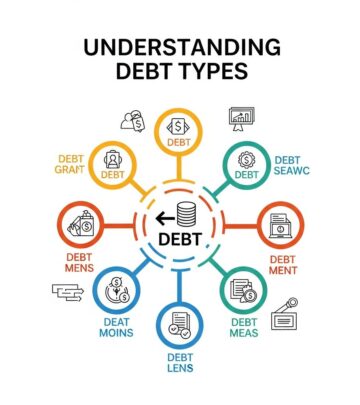
Long-term debt is distinct from short-term obligations like credit card balances due to its extended repayment horizon. Common examples include:
- Home Mortgages: Typically 15-30 years, these fund homeownership but tie up significant income in monthly payments.
- Student Loans: Federal and private loans for education, often with repayment terms of 10-25 years, accruing interest that can balloon totals.
- Auto Loans: Financing for vehicles, usually 3-7 years, where the asset depreciates faster than the loan balance in many cases.
- Personal Loans: Unsecured loans over extended periods for consolidations or large purchases.
These debts grow through compound interest, mirroring investment growth but in reverse—working against your wealth. High-interest variants, especially above 8%, demand priority attention over investing. For instance, credit card debt at 12.9% can cost thousands extra over time if minimum payments are made.
Why Long-Term Debt Feels Overwhelming
The psychological weight of long-term debt often exceeds the mathematical burden. Carrying substantial balances creates monthly stress, with risks amplified if income disrupts occur. Unlike short-term debt, these obligations span decades, intertwining with life milestones like marriage, children, and retirement planning.
Debt traps exacerbate the issue: Student loans may lead to credit card reliance for living expenses, spiraling into high-interest cycles. Banks flag high debt-to-income ratios—over 28% for mortgages or 43% overall—as red flags, limiting future borrowing and risking foreclosure. The result? A “wage slave, debt slave” cycle where earnings primarily service obligations rather than build wealth.
Step 1: Acceptance and Realistic Assessment
Denial prolongs suffering. Acknowledge your debt totals, interest rates, and minimum payments. Create a debt inventory:
| Debt Type | Balance | Interest Rate | Monthly Payment | Term Left |
|---|---|---|---|---|
| Mortgage | $200,000 | 4.5% | $1,200 | 25 years |
| Student Loan | $50,000 | 6.8% | $550 | 10 years |
| Auto Loan | $15,000 | 5.2% | $350 | 4 years |
This table reveals priorities: Tackle high-interest debts first. Calculate total interest paid over the term to grasp the true cost.
Step 2: Prioritize Payoff Strategies
Not all debts are equal. Compare rates to expected investment returns (historical stock market ~8%).
- High-Interest Debt (>8%): Pay aggressively. Example: $20,000 at 12.9% with $535/month clears in 4 years, costing $25,700 total. Investing instead yields less after interest.
- Low-Interest Debt (e.g., Mortgage, Student Loans): Minimum payments while investing excess funds may net positive returns.
Use the debt avalanche method: Highest interest first for maximum savings. Alternative: Debt snowball for motivation—smallest balances first. Consolidate or balance transfer high-rate debt to lower APRs.
Debt vs. Investing: The Math Breakdown
Consider $535/month over 25 years:
- Pay off $20K credit card (12.9%): Debt-free in 4 years, then invest remainder builds ~$300K more by end.
- Invest immediately: Debt lingers, eroding gains; net worse off.
Even with 401(k) matches, high-interest debt prevails. Low-rate debts allow parallel investing. Risk tolerance matters: Debt elimination removes income-loss catastrophe risks.
Step 3: Build Sustainable Habits During Repayment
Slow and steady triumphs. Rushing invites burnout; my $20K credit card debt took 4.5 years, fostering lasting habits.
- Budget Ruthlessly: Track expenses, cut non-essentials. Aim debt-to-income under 36%.
- Increase Income: Side gigs accelerate payoff without lifestyle cuts.
- Emergency Fund: 3-6 months expenses prevents new debt.
- Avoid New Borrowing: Focus deters lifestyle inflation.
Mid-term goals (2-5 years) like debt reduction need buffers for setbacks like layoffs.
Common Pitfalls and How to Avoid Them
- Minimum Payments Only: Perpetual interest trap.
- Overextending DTI: Lenders reject >43% ratios.
- Bankruptcy Temptation: Doesn’t erase student loans; damages credit 7-10 years. Better: Steady payoff.
- Impulse Debt: Leads to spirals.
Long-Term Path to Debt Freedom
Escape requires living below means: Pay debts, save, invest. High earners exit via low expenses. Post-payoff, redirect payments to wealth-building. Fifteen years debt-free post-$20K payoff proves sustainability.
Productive debt (e.g., income-generating assets) differs from consumer traps. Shift from borrowing to saving for recovery.
Frequently Asked Questions (FAQs)
Q: Should I pay off debt or invest first?
A: Prioritize debts >8% interest; invest alongside low-rate ones like mortgages.
Q: How long does it take to pay off long-term debt?
A: Varies; $20K credit at 12.9% takes ~4 years aggressively. Mortgages: 15-30 years.
Q: Can student loans be discharged in bankruptcy?
A: No, they persist 7+ years on credit reports.
Q: What’s a healthy debt-to-income ratio?
A: Under 28% mortgage, 43% total to avoid lender issues.
Q: How to motivate long-term payoff?
A: Use snowball/avalanche, track progress, celebrate milestones.
References
- Coming to Terms With Your Long-Term Debt — Wise Bread. 2010-approx. https://www.wisebread.com/coming-to-terms-with-your-long-term-debt
- Should You Pay Down Debt First or Invest? — Wise Bread. 2010-approx. https://www.wisebread.com/should-you-pay-down-debt-first-or-invest
- Wage Slave, Debt Slave — Wise Bread. 2010-approx. https://www.wisebread.com/wage-slave-debt-slave
- The Debt Trap: Factors That Have Led Us To Our Debt — Wise Bread. 2010-approx. https://www.wisebread.com/the-debt-trap-factors-that-have-led-us-to-our-debt
- 9 Financial Moves You Will Always Regret — Wise Bread. 2010-approx. https://www.wisebread.com/9-financial-moves-you-will-always-regret
- Slow and Steady Wins the Debt Race — Wise Bread. 2010-approx. https://www.wisebread.com/slow-and-steady-wins-the-debt-race
Similar Articles








Read full bio of medha deb