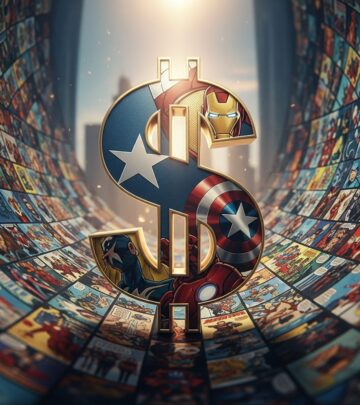
How Much You Can Earn in the Comic Book Industry
Explore earning potential across comic book industry roles from artist to CEO executive.

The comic book industry represents a unique blend of creative artistry and commercial enterprise, offering diverse career paths with varying compensation structures. Whether you’re passionate about illustrating action sequences, crafting compelling narratives, or managing editorial operations, understanding the financial landscape can help you make informed career decisions. The industry encompasses multiple roles, each with distinct salary ranges and earning potential, from entry-level positions to executive-level compensation packages.
Comic Book Artist
The comic book artist serves as the visual backbone of the medium, translating scripts into compelling illustrations that captivate readers. The median comic book artist salary stands at $36,500 annually according to industry data. However, the reality of compensation in this field is far more nuanced than a simple median figure suggests.
Most comic book artists operate on a project-based compensation model rather than receiving traditional salaries. This freelance approach creates significant variability in annual earnings depending on the volume and value of projects undertaken. Entry-level artists may earn as little as $2,000 for a 100-page book, which translates to approximately $2.50 per hour if the artist spends eight hours on each page. However, this rate doesn’t reflect the industry standard for more established professionals.
Experienced artists who have built reputations commanding higher rates can earn substantially more. Those specializing in cover art design and execution—positions that require both artistic skill and proven marketability—can command rates up to $600 per page at certain publishers. The disparity between entry-level and experienced rates underscores the importance of building a portfolio and establishing industry credibility.
Penciller
The penciller occupies a specialized role within the comic art hierarchy, responsible for transforming scripts into visual narratives. This artist sketches out scenes in pencil, establishing character designs, environmental details, and the overall visual composition before the work progresses to other stages of production.
Starting rates for pencillers at major publishers like Marvel and DC Comics typically range from $160 to $260 per page. For an artist completing a full monthly comic book, this can generate approximately $38,400 annually, assuming consistent work output. However, salaried penciller positions, when available, typically pay around $55,037 per year according to employment data.
The distinction between page rates and salaries is crucial for pencillers. While project-based work offers flexibility, it provides no benefits, job security, or predictable income. Salaried positions, though rarer, provide stability but may offer less earning potential for highly prolific or sought-after artists.
Writer
Comic book writers develop characters, plot structures, and dialogue that drive narrative momentum. Their compensation structure mirrors that of visual artists, combining both salaried positions and project-based rates.
Salaried writing positions typically offer approximately $55,037 annually. However, the majority of writers work on a freelance basis with compensation varying by project scope and publisher stature.
For project-based work at major publishers, writers can expect the following compensation structure:
– Script outline development: $20 to $100 for establishing plot framework and story structure- Script and dialogue writing: $80 to $100 per page for completing full dialogue and narrative details
These rates apply specifically to larger publishers like Marvel and DC Comics. Writers employed by smaller independent publishers typically earn considerably less, sometimes significantly below industry standards established by major corporations.
Editor
Editors function as quality control specialists and project coordinators, ensuring consistency across art, script, lettering, coloring, and production stages. They manage timelines, provide creative feedback, and serve as the primary liaisons among different departments and creative teams.
Associate editor positions at Marvel Comics typically offer compensation between $38,000 and $41,000 annually. Senior editorial roles command higher compensation, with senior editors at DC Comics earning up to $84,000 per year. The distinction between associate and senior roles reflects both experience level and scope of responsibilities, with senior editors typically overseeing multiple projects and mentoring junior staff.
The national average salary for editors across the comic book industry stands at approximately $60,598 per year, reflecting the mid-level compensation typical for these roles. Editors-in-chief, who lead entire editorial departments and make strategic decisions about publishing lineups, earn higher compensation, with national average salaries reaching $81,524 annually.
Additional Key Positions and Roles
Beyond the core creative and editorial roles, the comic book industry encompasses numerous other positions that contribute to the production and distribution process:
Art Director: These professionals oversee visual design and layout across publications, working collaboratively with writers, illustrators, and designers to establish consistent visual branding. Art directors earn an average of $77,358 annually and hold significant influence over the final product’s aesthetic quality.
Publisher: Publishers manage the entire creation and production pipeline, acquiring rights, commissioning projects, negotiating contracts, and overseeing distribution. This role typically generates annual compensation of $67,459 and requires business acumen alongside industry knowledge.
Support Positions: The industry also supports numerous assistant and entry-level roles. Operations assistants earn approximately $36,679 annually, design assistants earn $44,149, and comic art catalogers earn $48,536. These positions provide pathways into the industry for those seeking to develop expertise and potentially advance into higher-paying roles.
CEO and Executive Leadership
The highest-paid positions in the comic book industry exist at the executive level, particularly among company founders and CEOs who have successfully built and scaled their enterprises.
Isaac Perlmutter, CEO of Marvel Entertainment, represents the pinnacle of executive compensation in this sector. His net worth reaches $3.9 billion, accumulated through his instrumental role in shepherding Marvel through bankruptcy in 1996 and orchestrating the company’s subsequent $4 billion sale to Disney in 2009. Prior to this transformative sale, his annual salary was $750,000—a compensation level that reflects the substantial responsibility and financial impact of leading a major entertainment company.
However, executive compensation extends beyond fixed salaries for founders and leaders of successful ventures. Many comic industry executives diversify their portfolios by expanding into adjacent markets. Todd McFarlane, founder and current partner of Image Comics, developed McFarlane Toys, a successful toy business that produces figurines for major comic book and television franchises. This diversification strategy exemplifies how successful industry leaders generate wealth exceeding traditional executive salaries.
Creator Ownership and Franchises
Perhaps the most lucrative path within the comic book industry involves creating and retaining ownership of original franchises. This approach bypasses traditional employment relationships entirely, allowing creators to capture the full economic value of their intellectual property.
Stan Lee, arguably the most famous comic book writer and illustrator, accumulated an estimated net worth of $40 million, with approximately 90 percent held in liquid investments and the remaining 10 percent representing real estate and his stake in POW! Entertainment, a production company behind numerous entertainment projects. While Lee’s career spanned decades of tremendous industry growth, his wealth demonstrates the extraordinary potential for creators who successfully build franchises.
Robert Kirkman, creator of “The Walking Dead,” similarly accumulated approximately $20 million through the massive commercial success of his original property. These examples illustrate that franchise creation and ownership can generate substantially greater wealth than even senior executive positions at established publishers.
Freelance vs. Salaried Compensation
Understanding the distinction between freelance project-based work and salaried employment is essential for anyone considering a comic industry career. While annual figures can appear comparable between these models, the actual financial outcomes and work conditions differ significantly.
Salaried positions typically offer benefits including health insurance, retirement contributions, paid time off, and employment stability. However, they may provide less earning potential for highly productive professionals. Project-based freelance work offers flexibility and potentially higher per-page rates for established artists, but requires self-management, provides no benefits, and offers unpredictable income streams.
Many comic industry professionals work as salaried employees while maintaining freelance projects to supplement income, creating blended earning models that maximize both stability and earning potential.
Factors Influencing Compensation
Several factors substantially influence earning potential within the comic book industry:
Publisher Size and Prestige: Major publishers like Marvel and DC Comics offer higher page rates and salaries than smaller independent publishers. Emerging publishers typically pay 50-75% of major publisher rates.
Professional Experience: Entry-level professionals earn substantially less than experienced creators with established reputations. Career trajectory typically spans 5-10 years before reaching mid-tier compensation levels.
Specialization: Certain specializations command premium compensation. Cover artists, character designers, and writers known for franchise success earn more than standard page-rate professionals.
Portfolio Strength: The quality and commercial success of previous work directly influences negotiating power for new projects and contracts.
Publication Success: Royalties and performance bonuses sometimes supplement base compensation for commercially successful titles, though these remain uncommon in traditional publishing arrangements.
Industry Work Realities
Prospective comic industry professionals should understand several workplace realities that affect long-term viability as a career path. Most comic artists work 10-16 hours daily when completing projects, despite industry assumptions that artists should produce one page per day. In reality, most professionals complete only three to four pages weekly, accounting for the complexity and detail required in modern comic production.
The distinction between theoretical and actual earning potential becomes significant when calculating hourly wages. Entry-level artists earning $2,000 for 100-page books who spend eight hours per page generate only $2.50 hourly compensation—substantially below minimum wage in most jurisdictions. This reality underscores why building reputation and commanding higher rates becomes essential for sustainable careers.
Career Progression and Long-Term Potential
Successful comic industry careers typically follow progressive trajectories. Entry-level artists and writers establish portfolios through lower-paying projects, gradually building reputation and industry connections. Within 5-10 years, compensation typically increases substantially as professionals gain recognition for quality work and commercial viability.
Mid-career professionals earning $40,000-$70,000 annually represent the industry’s middle tier. Senior professionals and those with successful franchises occupy the upper tier, earning $100,000+ annually or accumulating substantial wealth through ownership interests and licensing arrangements.
Frequently Asked Questions
What is the entry point for comic book industry careers?
Most professionals enter through freelance project-based positions, building portfolios while earning modest compensation. Support roles like design assistants or operations assistants offer structured entry points with fixed salaries around $36,000-$44,000 annually. Building a strong portfolio through these positions enables transition to higher-paying creative roles.
Can comic book professionals earn a sustainable living?
Yes, but establishing a sustainable career requires strategic planning. Mid-level professionals with established reputations at major publishers typically earn $50,000-$84,000 annually. Combining salaried positions with freelance work, licensing arrangements, or pursuing creator-owned properties can generate substantial incomes. Entry-level professionals should expect 5-10 years before reaching truly sustainable compensation levels.
What are the highest-earning opportunities in comics?
Creating and retaining ownership of successful franchises generates the highest returns, as demonstrated by Stan Lee ($40 million net worth) and Robert Kirkman ($20 million net worth). Executive positions and diversified business development (like Todd McFarlane’s toy business) represent alternative high-earning paths. Senior positions at major publishers offer $80,000-$100,000+ compensation.
How do page rates compare across publishers?
Major publishers (Marvel, DC) offer the highest rates, typically $160-$600 per page depending on experience and role. Smaller independent publishers offer 50-75% of major publisher rates. International publishers and self-publishing arrangements may offer considerably lower compensation but potentially higher royalty percentages.
Is freelance or salaried work better for comic professionals?
This depends on individual circumstances. Freelance work offers flexibility and potentially higher per-page rates but lacks benefits and income predictability. Salaried positions provide stability and benefits but may limit earning potential for highly productive professionals. Many successful creators pursue both simultaneously, securing salaried positions while maintaining lucrative freelance projects.
References
- How Much You Can Earn in the Comic Book Industry — From Artist to CEO — Money Magazine. Accessed November 2025. https://money.com/how-much-you-can-earn-in-the-comic-book-industry-from-artist-to-ceo/
- 24 Jobs in the Comic Book Industry (Plus Salaries) — Indeed Career Guide. 2025. https://www.indeed.com/career-advice/finding-a-job/comic-book-industry-jobs
- U.S. Bureau of Labor Statistics Occupational Outlook Handbook — U.S. Department of Labor. Accessed November 2025. https://www.bls.gov/
- Salary Information and Compensation Trends — Glassdoor Inc. 2025. https://www.glassdoor.com/
- Comic Book Industry Salary Survey — Payscale. 2025. https://www.payscale.com/
Similar Articles








Read full bio of Sneha Tete