Combat Inflation: 8 Smart Savings Strategies For 2026
Discover proven strategies to shield your finances from rising costs and build lasting wealth in 2026.

Rising prices continue to challenge household budgets, but targeted actions can preserve purchasing power. This guide outlines actionable steps to trim costs, grow savings, and position finances for stability amid ongoing economic shifts.
Master Your Budget in a High-Cost Era
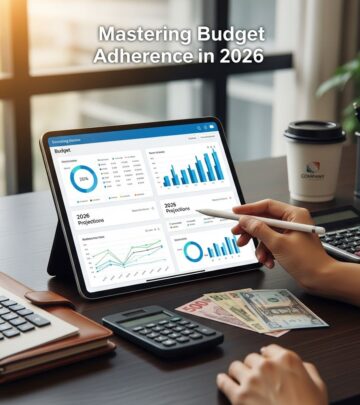
Effective budgeting forms the foundation of inflation resistance. Start by examining income against outflows to pinpoint leaks. Tools powered by artificial intelligence now simplify this process, automatically sorting transactions and flagging overspending patterns.
Adopt a zero-based approach where every dollar receives a purpose, from essentials to fun. Review statements monthly to adjust for price hikes in groceries or fuel. Apps like those mentioned integrate with banks for real-time insights, helping users allocate funds efficiently.
- Track daily habits: Log purchases via mobile apps to reveal impulse buys.
- Set realistic limits: Cap dining out at 10% of discretionary spending.
- Automate categories: Direct deposits into groceries, utilities, and savings silos.
Consistent tracking can yield 10-20% monthly savings, compounding over time into substantial reserves.
Boost Savings with High-Yield Options
Traditional accounts erode value during inflation; shift to high-interest vehicles. Online institutions offer rates far exceeding national averages, often 4-5% APY, outpacing cost increases.
Compare providers emphasizing liquidity and FDIC insurance. Digital banks minimize overhead, passing benefits to customers. For longer horizons, consider certificates with fixed terms yielding even more.
| Account Type | Avg. APY 2026 | Best For | Min. Balance |
|---|---|---|---|
| High-Yield Savings | 4.5% | Emergency Funds | $0 |
| Share Certificates | 5.2% | Short-Term Goals | $500 |
| Money Market | 4.8% | Flex Access | $1,000 |
Select based on needs: immediate access for emergencies, locked rates for planned expenses. Automate transfers post-paycheck to build effortlessly.
Slash Everyday Expenses Without Sacrifice
Household bills dominate budgets; proactive tweaks reclaim funds. Negotiate utilities and internet annually, citing competitor rates for leverage. Bundle services to slash 15-25% off combined costs.
Groceries inflate steadily—counter with bulk buys from warehouse clubs and meal prepping. Apps scan for deals, reducing waste and spend by 30%. Energy audits reveal savings: LED bulbs and programmable thermostats cut usage 20%.
- Review subscriptions quarterly: Cancel unused streaming or gym memberships.
- Shop smart: Use cash-back portals for essentials.
- DIY maintenance: Handle minor repairs to avoid service fees.
These habits compound, freeing hundreds monthly for higher priorities.
Build a Robust Emergency Reserve
Unexpected events demand readiness; aim for 3-6 months’ expenses in liquid savings. With moderating inflation, 2026 favors replenishing depleted funds via automated contributions.
Separate this from checking to curb dips. Post-use, prioritize refills. High-yield placement ensures growth against erosion. Start small: $50 weekly builds $2,600 yearly.
Accelerate Debt Elimination
High-interest obligations amplify inflation’s bite. Prioritize variable-rate debts like credit cards, now costlier amid rate hikes. Avalanche method targets priciest first, minimizing total payout.
Pay minimums on others while attacking balances. Balance transfers to 0% promo cards buy time. Avoid new debt by paying charges monthly.
Pro tip: Rewards cards offset spends if balances zero out, redeeming points for cash or travel.
Embrace Energy-Smart Living
Sustainable choices align savings with eco-benefits. Federal incentives under the Inflation Reduction Act subsidize solar installations and efficient appliances. Smart devices optimize usage, trimming bills 10-15%.
- Upgrade lighting: Full LED swap pays back in months.
- Meal plan: Reduces food waste, saving $1,500 annually.
- Vehicle shift: Hybrids qualify for rebates, lowering fuel costs.
These yield dual returns: fiscal and environmental.
Unlock Government Incentives and Tax Advantages
2026 updates expand credits for retirement, education, and health. Max IRA/401(k) inputs lower taxable income; HSAs cover medical with triple tax perks.
Energy rebates offset upgrades. Track IRS announcements or consult pros for eligibility. Claiming all shaves thousands from liabilities.
Invest Strategically for Growth
Beyond preservation, investments counter inflation. Stocks historically outperform over decades, despite short-term dips. Diversify internationally for value.
Municipal bonds offer tax-free yields; alternatives like infrastructure add uncorrelated gains. Maintain allocation: 60/40 stocks/bonds adjusted for horizon.
Short-term cash in yield-focused options balances liquidity. Avoid panic sales; time favors compounding.
Frequently Asked Questions
How much should I save monthly against inflation?
Target 20% of income, split between high-yield accounts and debt reduction for optimal protection.
Are high-yield savings safe?
Yes, FDIC-insured up to $250,000 per depositor, combining security with competitive returns.
What’s the fastest way to cut grocery costs?
Plan weekly meals around sales, buy generics, and portion bulk items—expect 25% savings.
Should I invest during uncertain times?
Yes, long-term horizons benefit from market recovery; consult advisors for personalized risk.
Do tax credits apply retroactively?
No, but many cover 2026 installations; file accurately come tax season.
Key Takeaways Table
| Strategy | Potential Annual Savings | Effort Level |
|---|---|---|
| Budget Tracking | $1,200 | Low |
| High-Yield Shift | $300+ | Low |
| Debt Paydown | $500+ | Medium |
| Energy Upgrades | $400 | Medium |
| Investing | Variable Growth | High |
References
- How to Save Money in 2026 — North American Savings Bank. 2026-01-15. https://www.nasb.com/blog/detail/how-to-save-money-in-2026
- Five tips for protecting your money during high inflation — UNFCU. 2025-11-20. https://www.unfcu.org/financial-wellness/protect-your-money-during-high-inflation/
- Strategies to protect your goals from consistent inflation — Talk Business & Politics. 2026-01-10. https://talkbusiness.net/2026/01/strategies-to-protect-your-goals-from-consistent-inflation/
- How a top strategist says to invest if low inflation and growth buck — Business Insider. 2026-02-01. https://www.businessinsider.com/how-to-invest-if-growth-inflation-fall-in-2026-according-to-a-top-strategist-2026-2
Similar Articles








Read full bio of medha deb