Collision Insurance: Is It Right for You?
Explore collision insurance coverage, what it protects against, common exclusions, and key factors to decide if you need it for your vehicle.

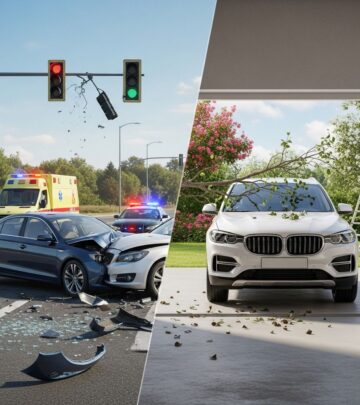
Collision insurance is an optional auto policy add-on that pays for repairs or replacement of your vehicle after a crash with another car or object, regardless of fault. It provides financial protection against high repair costs from accidents like fender-benders, rollovers, or hitting a pole.
Understanding the Basics of Collision Coverage
This coverage kicks in for physical damage to your car from collisions, helping you avoid out-of-pocket expenses beyond your deductible. Unlike liability insurance, which is mandatory in nearly all states except New Hampshire, collision is not legally required but often lender-mandated for financed or leased vehicles.
Your policy pays up to the vehicle’s actual cash value (ACV), minus depreciation and your chosen deductible. For instance, if repairs exceed the ACV, the insurer declares it totaled and issues a payout for the depreciated worth.
What Does Collision Insurance Typically Cover?
Collision protection addresses a range of accident scenarios where your car sustains damage. Key covered events include:
- Collisions with another vehicle, from minor bumps to major wrecks, even if you’re at fault.
- Impacts with fixed objects like trees, guardrails, poles, fences, or buildings.
- Rollover incidents where your vehicle flips during a crash.
- Hit-and-run situations, provided police are involved and you file a report.
- Single-vehicle accidents, such as swerving into a ditch or utility pole.
In all these cases, coverage applies irrespective of fault, making it valuable for unpredictable road events.
Common Exclusions: What Collision Does Not Cover
While broad, collision has limits. It excludes non-collision damages, which fall under comprehensive coverage or other policy parts:
- Animal collisions, like hitting deer—handled by comprehensive.
- Weather-related issues such as hail, floods, or fallen trees.
- Theft, vandalism, fire, or riots—also comprehensive territory.
- Damage to others’ property or vehicles—covered by property damage liability.
- Medical expenses for injuries—addressed by medical payments (MedPay) or personal injury protection (PIP), varying by state.
Potholes might be covered under collision in some policies, but confirm with your insurer.
Collision vs. Comprehensive: Key Differences
Many drivers confuse these physical damage coverages. Use this table for clarity:
| Aspect | Collision Coverage | Comprehensive Coverage |
|---|---|---|
| Covers | Crashes with vehicles/objects, rollovers | Non-collision events: theft, weather, animals |
| Average Annual Cost | ~$290 | ~$134 |
| Fault Matters? | No | No |
| Examples | Hit-and-run, tree collision | Hail damage, stolen car |
Lenders often require both for financed cars to safeguard their investment.
Costs and Deductibles Explained
Collision premiums average $290 yearly, influenced by your car’s value, location, driving record, and deductible. The deductible—your out-of-pocket amount before coverage starts—ranges from $250 to $2,000. Higher deductibles lower premiums but increase claim costs.
For a $1,000 deductible claim on $3,000 repairs, you pay $1,000; insurer covers $2,000. Weigh if you can afford potential deductibles against premium savings.
When Is Collision Insurance Required?
No state mandates collision, but:
- Financed or leased vehicles: Lenders demand it until paid off to protect collateral.
- Company cars: Employers may require it.
- Rental agreements: Often included or optional add-on.
Once owned outright, it’s optional, allowing policy adjustments.
Should You Drop Collision on an Older Car?
For paid-off vehicles, evaluate based on these factors:
- Vehicle Value: If ACV is low (e.g., under $4,000), premiums may exceed benefits.
- Repair Affordability: Can you cover a major fix? Collision shields against surprise bills.
- Driving Habits: Frequent miles or urban driving increase crash risk.
- Budget Fit: Compare premium costs to potential savings from dropping it.
Rule of thumb: Drop if annual premium exceeds 10% of ACV. Newer cars with high repair costs justify keeping it.
Factors Influencing Your Collision Premiums
Insurers assess:
- Age, model, and safety features of your car.
- Your credit score, claims history, and age.
- Annual mileage and garaging location.
- Discounts for safe driving, bundling, or anti-theft devices.
Shopping quotes from multiple providers saves money.
Real-Life Scenarios: Collision in Action
Scenario 1: You rear-end a stopped car in traffic. Your liability covers their damage; collision fixes yours minus deductible.
Scenario 2: A deer jumps out—comprehensive, not collision, applies.
Scenario 3: Hit-and-run in a parking lot—collision covers after police report.
These highlight why understanding coverages matters.
Alternatives if You Skip Collision
Without it:
- Rely on at-fault driver’s liability for your repairs.
- Use uninsured motorist property damage (UMPD) for no-insurance cases.
- Self-insure via savings for older cars.
However, gaps exist if the other party lacks coverage or disputes fault.
Frequently Asked Questions (FAQs)
Q: Does collision cover me if I’m not at fault?
A: Yes, it pays for your car’s damage regardless of fault.
Q: What’s the difference between collision and liability?
A: Liability covers others’ damages/injuries; collision covers yours.
Q: Can I add collision later?
A: Yes, contact your insurer anytime, subject to underwriting.
Q: Does collision cover rental cars?
A: Often extends if listed on policy; confirm details.
Q: How does actual cash value work?
A: Payout based on market value minus depreciation and deductible.
Making the Smart Choice for Your Policy
Assess your finances, car value, and risk tolerance. Tools like insurance calculators or agent consultations help. Regularly review as circumstances change—like paying off a loan.
References
- What Is Collision Coverage and What Does It Cover? – State Farm® — State Farm. 2026 (accessed). https://www.statefarm.com/simple-insights/auto-and-vehicles/what-is-collision-coverage
- What is covered by collision and comprehensive auto insurance? — Insurance Information Institute (III). 2026 (accessed). https://www.iii.org/article/what-is-covered-by-collision-and-comprehensive-auto-insurance
- What Does Collision Insurance Cover? – GEICO — GEICO. 2026 (accessed). https://www.geico.com/information/aboutinsurance/auto/collision-coverage/
- Collision Insurance Coverage: What It Is & Why It’s Important — Nationwide. 2026 (accessed). https://www.nationwide.com/lc/resources/auto-insurance/articles/what-is-collision-insurance
- Auto Collision Insurance | Progressive — Progressive. 2026 (accessed). https://www.progressive.com/answers/auto-collision-coverage/
- What Is Collision Insurance Coverage, and Do I Really Need It? – AAA — AAA. 2026 (accessed). https://www.acg.aaa.com/connect/blogs/6c/insurance/what-is-collision-insurance-coverage-and-do-i-really-need-it
Similar Articles








Read full bio of Sneha Tete