College Housing Guide: Dorms, Off-Campus, Commuting
Explore dorm life, off-campus rentals, and commuting options to find the best housing fit for your college budget and lifestyle.
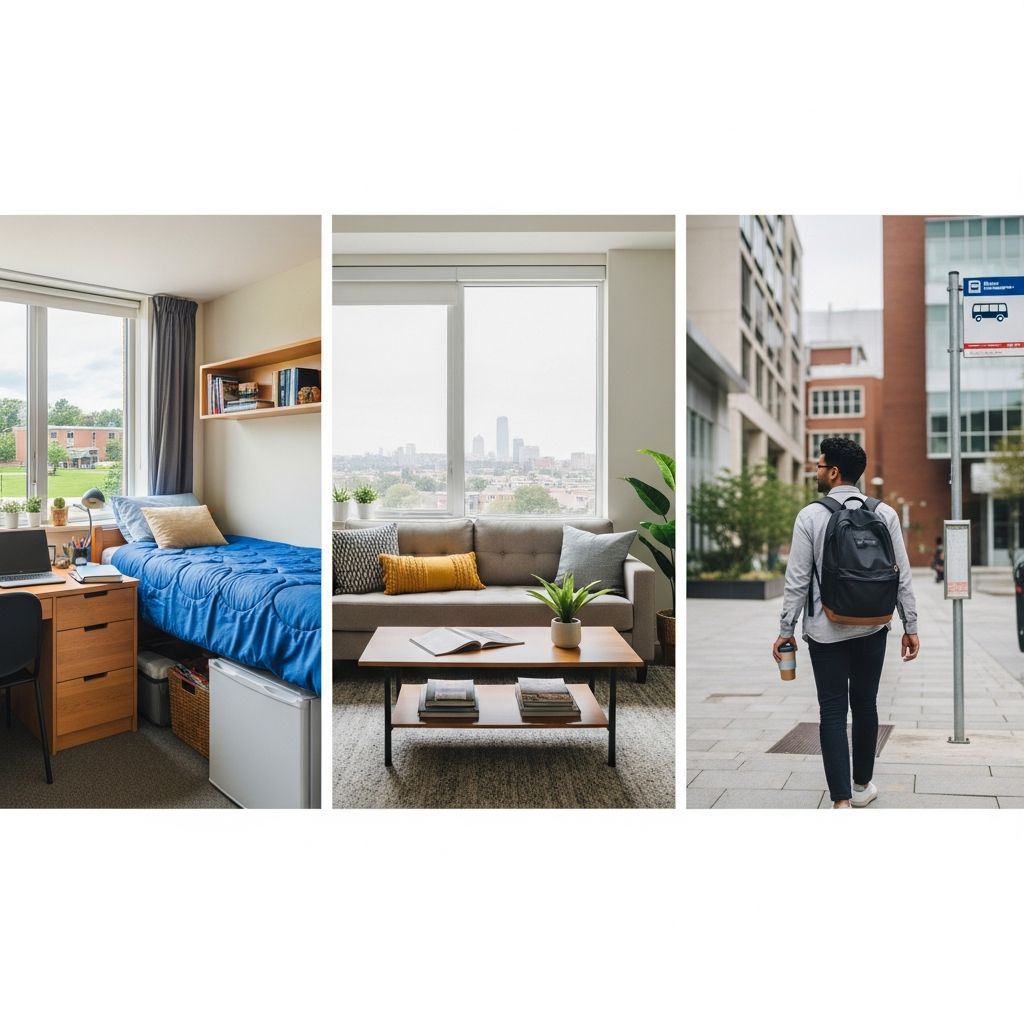
Choosing where to live during college shapes your academic success, social life, and finances. On-campus dorms offer convenience and community, off-campus housing provides independence, and commuting saves money but demands discipline. This guide breaks down each option with real costs, benefits, and strategies to decide what’s best for you.
Understanding Your Main Housing Paths
College students face three primary living arrangements: residing in university-managed dorms, renting private off-campus properties, or commuting from home or nearby residences. Each comes with trade-offs in cost, convenience, and lifestyle. On-campus options often include meals and utilities, while off-campus requires managing leases and bills. Commuters prioritize affordability but must plan travel time carefully.
- On-Campus Dorms: Structured environment with built-in support services.
- Off-Campus Rentals: Freedom to customize living space and schedules.
- Commuting: Lowest cost, ideal for local students or those with family support.
Pros and Cons of On-Campus Dorm Living
Dormitories, or residence halls, are the traditional choice for freshmen. They foster quick friendships and easy access to classes, libraries, and events. Many universities mandate on-campus living for first-year students to build community.
Benefits include proximity to campus resources, reducing commute stress and allowing more study time. Shared spaces encourage networking, which can lead to study groups and job opportunities. Amenities like laundry, Wi-Fi, and sometimes gyms are often included.
Drawbacks involve limited privacy, shared bathrooms, and strict rules on guests or noise. Space is cramped, typically doubles or triples, and costs can add up with meal plans.
| Aspect | Pros | Cons |
|---|---|---|
| Cost | All-inclusive utilities and meals | Higher per-bed rates ($7,000-$13,000/year) |
| Convenience | Walk to classes | Limited personalization |
| Social | Instant community | Noise and conflicts |
Top Universities Excelling in Dorm Experiences
Some schools stand out for innovative residence halls. University of Michigan offers 18 halls and 1,480 apartments, with themed communities like Business Living or Sustainable Living. Pricing ranges from $8,921 for economy singles to $13,666 for premiums.
Brown University organizes housing by year and themes such as Wellness or Sustainability. First-years live in neighborhoods with peer counselors for support. Boston College boasts 35 halls with over 90% on-campus occupancy, including suites and apartments.
Other leaders include High Point University’s tiny home-style options, Scripps College’s garden courtyards, and Washington University in St. Louis’ modern suites allowing personal appliances.
Off-Campus Housing: Independence at a Price
Moving off-campus appeals to upperclassmen seeking privacy and flexibility. Options range from shared houses to purpose-built student apartments near campus. These often feature full kitchens, private bedrooms, and amenities like fitness centers.
Average annual costs: $10,965 for purpose-built off-campus beds vs. $7,717 for on-campus halls and $13,093 for general market apartments. Singles cost more ($8,296/year) than doubles ($7,304) or triples ($6,254). Local rents vary; Ann Arbor averages $1,600/month.
- Search university portals for verified listings with distances and prices.
- Prioritize locations under 15-minute walk or bus ride.
- Factor in utilities, parking, and security deposits.
Purpose-built complexes bridge dorms and apartments, offering study lounges and all-gender floors.
Commuting to College: Budget-Friendly Strategy
Commuting suits students living with family or in affordable nearby housing. It cuts housing expenses dramatically, freeing funds for tuition or savings. However, it requires reliable transport and time management.
Benefits: No rent or meal plans, home-cooked food, and family support. Drawbacks: Traffic delays, missing spontaneous campus events, and fatigue from daily drives.
| Factor | Commuting | On-Campus | Off-Campus |
|---|---|---|---|
| Annual Cost | $0-$5,000 (gas/parking) | $7,000-$14,000 | $10,000-$15,000 |
| Travel Time | 20-60 min | 5 min walk | 10-30 min |
| Flexibility | High (home rules) | Low (dorm policies) | High (own lease) |
Financial Breakdown: Comparing True Costs
Don’t just look at rent—total ownership costs matter. On-campus often seems pricier but includes utilities and maintenance. Off-campus adds groceries, internet ($50-100/month), and transport.
Study data shows on-campus apartments at $7,056/bed offer value over residence halls ($7,717), beating off-campus purpose-built by 26% adjusted for amenities. Budget 30% of income for housing; use apps for roommate matching to split costs.
Key Factors in Choosing Your Setup
Assess priorities: Freshmen benefit from dorm immersion. Juniors crave off-campus freedom. Commuters excel with strong routines.
- Location: Minimize commute to under 30 minutes.
- Budget: Include hidden fees like application costs ($50-200).
- Amenities: Seek furnished units or laundry access.
- Safety: Check crime stats and lighting.
- Lease Terms: Avoid 12-month commitments if possible; negotiate.
Tips for Thriving in Any Housing Type
Success transcends location. In dorms, communicate with roommates via agreements on chores. Off-campus, buy renter’s insurance ($15/month). Commuters, pack meals and join clubs for connections.
Hybrid approaches work: Sublet during breaks or co-sign with trusted friends. Track expenses with apps to stay under budget.
Frequently Asked Questions
Is on-campus housing cheaper than off-campus?
On average, yes—$7,717/year for halls vs. $10,965 for purpose-built off-campus, though totals vary with meals and utilities.
Can freshmen live off-campus?
Rarely; many schools require dorms for first-years to promote integration.
How do I find reliable off-campus listings?
Use university housing boards, which list verified options with proximity data.
What’s the best dorm style?
Apartment-style with kitchens and AC, like UNI’s Panther Village, balances privacy and community.
Should commuters buy parking permits?
Yes, annual permits ($500-1,500) beat daily fees; reserve early.
Making the Right Choice for Your College Journey
Weigh costs against lifestyle needs. Visit options, talk to current students, and project two-year plans. Flexible budgeting and proactive planning ensure housing supports your goals.
References
- Campus Housing vs. Off-Campus Housing — College Advisor. 2023. https://www.collegeadvisor.com/resources/campus-housing/
- Housing Comparison Chart — UNI Housing & Dining. 2025. https://uhd.uni.edu/housing/housing-comparison-chart
- Comparing the Costs of On-Campus and Off-Campus Student Housing — National Multifamily Housing Council (NMHC). 2022-01-15. https://www.nmhc.org/contentassets/1f6339aca323490bb3db7b651f87949d/nmhc-student-housing-white-paper-final.pdf
- 2026 Best College Dorms in America — Niche. 2026-01-01. https://www.niche.com/colleges/search/best-college-dorms/
- 6 Types of Student Housing Options for College Students — College Raptor. 2024. https://www.collegeraptor.com/find-colleges/articles/college-search/types-of-student-housing/
Similar Articles








Read full bio of medha deb