College Grants for Students with Disabilities
Unlock essential funding paths for students with disabilities pursuing higher education through federal aid, targeted scholarships, and state programs.
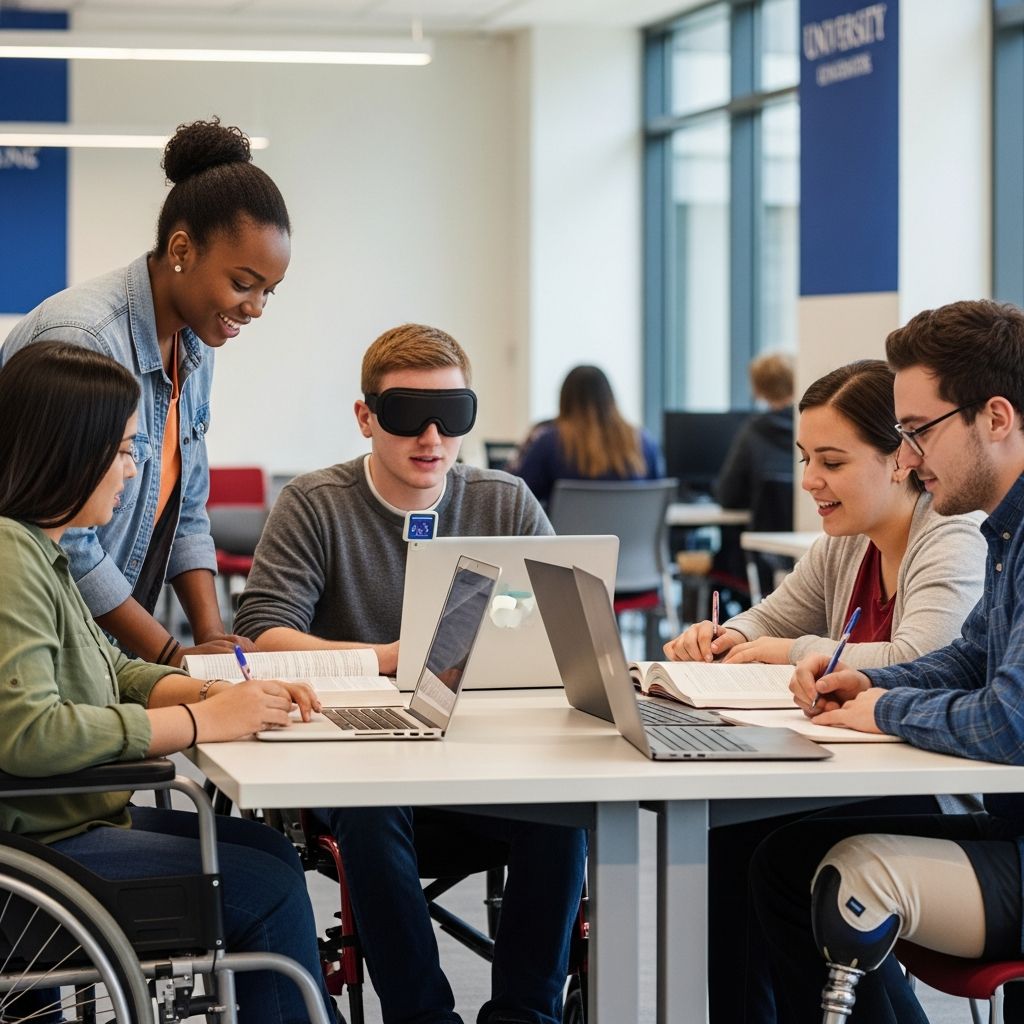
Students with disabilities face unique challenges in pursuing higher education, but a range of financial aid options exists to make college accessible. Federal programs, private scholarships, and state-specific grants provide critical support without the burden of repayment in many cases. This guide explores these opportunities, eligibility criteria, and strategies to maximize funding.
Understanding Federal Financial Aid Pathways
The cornerstone of college funding for students with disabilities is the Free Application for Federal Student Aid (FAFSA). Completing this form opens doors to Pell Grants, which are need-based and do not require repayment. For the 2025-26 academic year, the maximum Pell Grant award reaches $7,395, determined by your Student Aid Index (SAI).
Importantly, receiving Social Security Disability Insurance (SSDI) or Supplemental Security Income (SSI) does not disqualify you from federal aid. These benefits count toward your SAI calculation, but you can still qualify for grants and loans. Students must submit the FAFSA annually, with a federal deadline of June 30, though earlier submission is advised due to first-come, first-served allocations at some schools and states.
For those with intellectual disabilities enrolled in approved Inclusive Postsecondary Education (IPSE) programs, state initiatives like Georgia’s IPSE Grant cover tuition, fees, and program costs at University System of Georgia or Technical College System of Georgia institutions.
Specialized Scholarships Tailored to Disabilities
Beyond federal aid, numerous private scholarships target students with specific disabilities, often with flexible GPA requirements and holistic evaluations. These awards recognize resilience, community involvement, and future goals alongside academic merit.
- 1800wheelchair.com Scholarship: Offers $500 to one or two recipients annually. Eligible applicants include high school seniors, undergraduates, or graduates at accredited U.S. institutions with a minimum 3.0 GPA and good standing.
- AAHD Frederick J. Krause Scholarship: Supports sophomores and above pursuing studies in health and disability fields. Requires proof of disability and enrollment in an accredited university.
- Foundation for Science and Disability (FSD) Student Award: Aids disabled students in STEM, pre-medical, or dental programs, including fourth-year undergrads accepted to graduate school.
- Google Lime Scholarship Program: Targets students with disabilities in technology fields, providing funding via Lime Connect.
- Teresa Haven Scholarship: Awards $1,000 to students nominated by ATHEN members, requiring 6+ credit hours, 3.0 GPA, and postsecondary enrollment.
- Test Prep Insight Scholarship: Provides $1,500 for students with physical or mental disabilities enrolled in U.S. colleges with at least a 2.5 GPA.
- Wells Fargo Scholarship for People with Disabilities: Delivers up to $2,500 (full-time) or $1,250 (part-time) renewable awards to high school seniors or current students with long-term disabilities.
- Ruby’s Rainbow: Grants $1,000-$10,000 to students with Down syndrome aged 18+.
- Jared Monroe Foundation: Awards $250-$2,300 to those treating bipolar disorder.
- 180 Medical Scholarship: $1,000 for students managing spinal cord injuries or related conditions.
These scholarships often prioritize personal essays detailing how your disability shapes your journey and goals, proof of disability via medical documents or IEPs, and evidence of enrollment plans.
State and Vocational Rehabilitation Resources
State programs supplement federal and private aid. Georgia’s IPSE Grant, for instance, requires FAFSA completion and enrollment in approved programs for students with intellectual disabilities. Vocational rehabilitation services through state agencies can cover tuition, books, assistive technology, and training without impacting SSDI/SSI.
The U.S. Department of Education offers discretionary grants for individuals with disabilities, focusing on special populations. Always verify eligibility through official state education finance commissions, such as Georgia Student Finance Commission for broader scholarships and loans.
Eligibility Essentials and Application Strategies
Common requirements across aids include:
- Proof of disability: Medical records, 504 plans, IEPs, or professional letters.
- Academic enrollment: High school senior, current undergrad/grad student, or accepted to accredited programs.
- GPA thresholds: Often 2.5-3.0, with flexibility for holistic review.
- Essays/statements: Share your story, challenges overcome, and aid impact.
- Financial need: Demonstrated via FAFSA.
- Leadership/community service: Valued in many selections.
You need not commit to a specific college before applying; verification may follow awards. There’s no cap on applications—pursue multiple to boost chances, reapplying yearly.
| Funding Type | Award Range | Key Eligibility | Repayment? |
|---|---|---|---|
| Pell Grant | Up to $7,395 | FAFSA, financial need | No |
| IPSE Grant (GA) | Varies (tuition/fees) | Intellectual disability, approved program | No |
| Private Scholarships | $250-$10,000 | Disability proof, enrollment, GPA 2.5+ | No |
| Voc Rehab | Varies | Disability impacting employment | No |
Start early: Gather documents, draft essays, and track deadlines. Holistic applications shine by highlighting advocacy and perseverance.
Overcoming Common Hurdles
Intimidating requirements like essays shouldn’t deter—many scholarships value stories over perfection. For SSDI/SSI recipients, FAFSA integration ensures comprehensive aid packages. ADHD qualifies as a disability for accommodations but SSDI requires severe impairment documentation.
Amputee Coalition resources highlight upcoming scholarships and FAFSA guidance. Platforms like Sallie and BestColleges list extensive directories.
Frequently Asked Questions
Can SSDI/SSI recipients apply for federal grants?
Yes, complete the FAFSA; benefits factor into SAI but don’t bar eligibility.
Do I need a specific college picked to apply?
No, most allow applications pre-enrollment; awards may require later verification.
What’s the GPA cutoff for most disability scholarships?
Typically 2.5-3.0, with emphasis on overall profile.
How many scholarships can I win?
No limit—apply broadly each year.
Does FAFSA affect my disability benefits?
No, Pell Grants and similar do not impact SSDI/SSI.
By leveraging these resources, students with disabilities can fund their education effectively, turning aspirations into achievements.
References
- Disability Scholarships You Should Apply For — Sallie. Accessed 2026. https://www.sallie.com/scholarships/types/disabilities
- College Funding Resources for Individuals with Disabilities — Amputee Coalition. Accessed 2026. https://amputee-coalition.org/college-funding-resources-for-individuals-with-disabilities/
- Financial Aid for Students With Disabilities — BestColleges. Accessed 2026. https://www.bestcolleges.com/resources/students-with-disabilities-financial-aid/
- Inclusive Postsecondary Education Grant Program — GAfutures (official state site). Accessed 2026. https://www.gafutures.org/hope-state-aid-programs/scholarships-grants/ipse-grant/
- State Scholarships, Grants and Loans — Georgia Student Finance Commission (official state site). Accessed 2026. https://gsfc.georgia.gov/programs-and-regulations/state-scholarships-grants-and-loans
Similar Articles








Read full bio of medha deb