Collection Account Update Timeline
Discover how long it takes for paid collections to update on your credit report and strategies to manage their long-term impact.
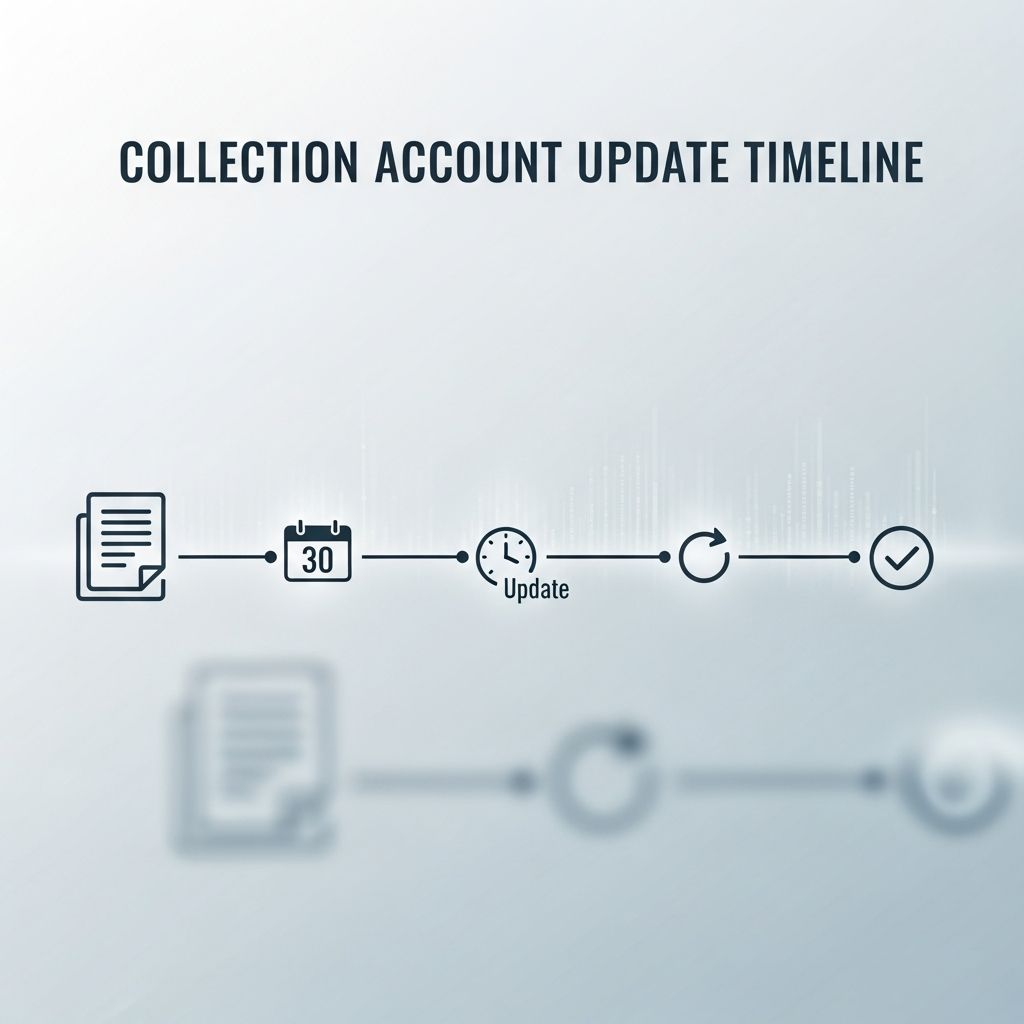
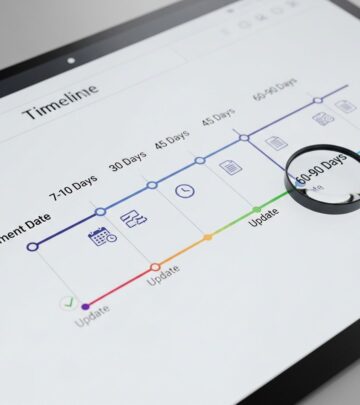
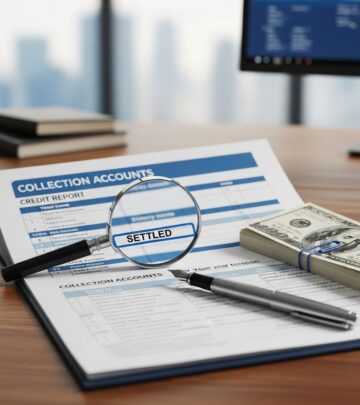
Paid collection accounts typically require 1 to 2 months to reflect an updated status on credit reports, as agencies process payments and notify bureaus like Experian, Equifax, and TransUnion.
Understanding the Payment-to-Update Process
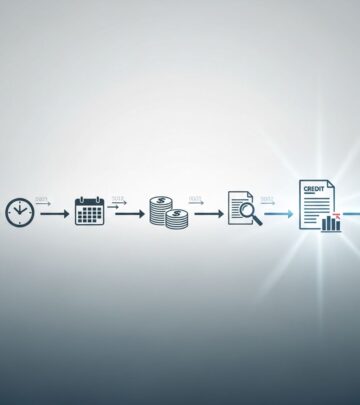
When you settle a debt in collections, the agency must first verify the transaction internally before reporting the change. This involves reconciling accounts, generating confirmation documents, and submitting updates through electronic systems to the major credit bureaus. Delays can arise from manual reviews, high volumes, or weekends/holidays interrupting reporting cycles. Most bureaus update monthly, aligning with their reporting windows, so even prompt notifications might not appear immediately.
Creditors and collectors follow standardized procedures under the Fair Credit Reporting Act (FCRA), ensuring accuracy in status changes from ‘unpaid’ to ‘paid’ or ‘settled.’ However, the original negative marks, like late payments, persist unless separately addressed.
The Seven-Year Shadow of Collections
Collection accounts remain visible for up to seven years from the date of first delinquency (DOFD)—the initial missed payment that led to the charge-off. This clock starts regardless of payment status and applies to both the original creditor’s account and any subsequent collection entry. For instance, a delinquency on June 1, 2025, would expire around June 1, 2032, automatically dropping from reports.
This duration stems from FCRA guidelines, balancing consumer recovery time with lender risk assessment. Paid collections still signal past risk, though scoring models like FICO 9 and VantageScore 4.0 weigh recent payments more favorably, reducing impact over time.
Factors Influencing Update Speeds
- Agency Efficiency: Larger firms with automated systems update faster than smaller ones reliant on manual processes.
- Payment Method: Electronic transfers confirm quicker than checks, which need clearance.
- Bureau Cycles: Equifax and TransUnion often process mid-month; Experian aligns with month-end.
- Disputes or Errors: Ongoing challenges can pause updates until resolved.
- Volume of Accounts: Peak seasons for debt payoff, like tax refunds, may cause backlogs.
Monitoring via free weekly reports from AnnualCreditReport.com helps track progress without cost.
Strategies to Accelerate Visibility of Paid Status
Request written confirmation from the collector immediately post-payment, including the updated status and reporting date. Follow up weekly via certified mail if no change appears after 30 days. Some negotiate ‘pay for delete’ agreements upfront, where the agency promises removal upon payment—though not guaranteed and less common post-FCRA amendments.
Dispute inaccuracies directly with bureaus using online portals, attaching proof like receipts. Bureaus must investigate within 30 days, potentially speeding corrections.
Long-Term Credit Repair After Paying Collections
Paying doesn’t erase history, but it halts further damage like lawsuits or wage garnishment. Focus on:
- Building positive payment history with secured cards or credit-builder loans.
- Reducing utilization below 30% on revolving accounts.
- Addressing other negatives, like inquiries or bankruptcies.
Goodwill letters to original creditors can yield deletions for one-time hardships, citing prior good standing.
Common Myths About Collection Updates
| Myth | Reality |
|---|---|
| Paying removes it immediately. | Status updates in 1-2 months; full removal after 7 years DOFD. |
| Collectors must delete paid accounts. | No legal requirement; FCRA mandates accurate reporting only. |
| Re-aging extends the timeline. | Illegal under FCRA; DOFD is fixed from first delinquency. |
| Multiple collections expire separately. | All tied to shared DOFD, dropping together. |
Legal Protections During the Collection Phase
The Fair Debt Collection Practices Act (FDCPA) prohibits harassment, false threats, and improper reporting. Collectors must validate debts within 30 days of dispute requests and cease contact if verified as inaccurate. Review FTC guidelines for rights.
Statute of limitations on debts (3-10 years by state) limits lawsuits but doesn’t affect credit reporting timelines.
Monitoring and Dispute Best Practices
- Pull reports from all three bureaus quarterly.
- Use apps like Credit Karma for alerts (note: VantageScore, not FICO).
- Dispute via certified mail with evidence for stronger records.
- Track DOFD meticulously to challenge re-aging attempts.
Early detection prevents prolonged negative impacts.
Impact on Credit Scores: Paid vs. Unpaid
Unpaid collections deduct up to 100+ points; paid ones less so, especially in newer models ignoring paid medical debts. FICO 8 penalizes less for paid non-medical. Simulate changes via scoring tools before actions.
Preventing Future Collections
Prioritize bills via ‘debt snowball’ or ‘avalanche’ methods. Negotiate hardships pre-delinquency. Build emergency funds covering 3-6 months expenses. Automate payments to avoid oversights.
Frequently Asked Questions (FAQs)
How soon after payment should a collection update?
Expect 30-60 days for status change; monitor reports regularly.
Does paying a collection boost my score instantly?
No, improvements gradual as bureaus update and algorithms recalculate.
Can I remove a paid collection early?
Possible via goodwill or pay-for-delete, but not standard.
What if the update doesn’t appear after 2 months?
Dispute with proof; escalate to CFPB if unresolved.
Do all bureaus update simultaneously?
Not always; variances in cycles cause staggered appearances.
Pro Tips for Credit Rebuilding
- Join credit monitoring services for real-time alerts.
- Consult non-profits like NFCC for debt management plans.
- Avoid new applications during recovery to limit inquiries.
References
- How Long Before My Collection Account Is Updated? — Experian. 2023-10-15. https://www.experian.com/blogs/ask-experian/how-long-before-collection-account-is-updated/
- Fair Debt Collection Practices Act (FDCPA) Text — Federal Trade Commission (FTC). 2024-01-01. https://www.ftc.gov/legal-library/browse/rules/fair-debt-collection-practices-act-text
- Consumer Financial Protection Bureau (CFPB) Debt Collection Guidelines — CFPB. 2025-02-20. https://www.consumerfinance.gov/rules-policy/regulations/1005/
- FCRA Summary for Consumers — Federal Trade Commission (FTC). 2024-05-10. https://www.ftc.gov/legal-library/browse/statutes/fair-credit-reporting-act
- AnnualCreditReport.com Official Site — Consumer Financial Protection Bureau. 2026-01-15. https://www.annualcreditreport.com
Similar Articles








Read full bio of medha deb