Collateral Options for Personal Loans
Discover secure borrowing with assets like homes, vehicles, and savings—unlock better rates and higher limits.

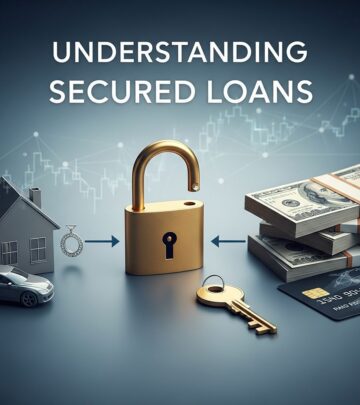
Secured personal loans allow borrowers to pledge valuable assets to obtain financing, often resulting in more favorable terms compared to unsecured alternatives. This approach reduces lender risk by providing a fallback if repayment fails.
Understanding Secured vs. Unsecured Personal Loans
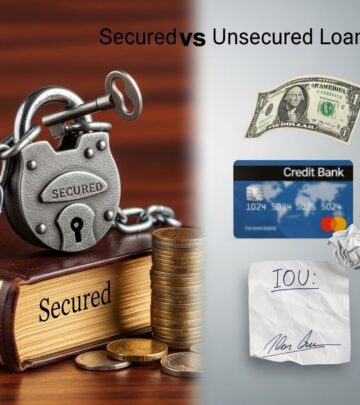
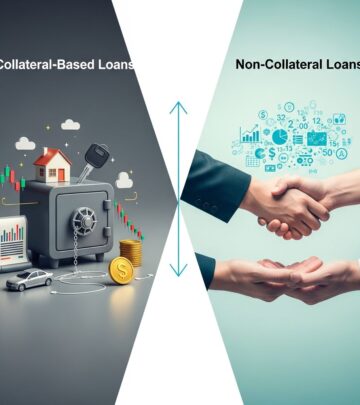
Personal loans fall into two main categories: secured and unsecured. Unsecured loans rely solely on the borrower’s creditworthiness and income, typically carrying higher interest rates and stricter approval criteria. In contrast, secured loans require collateral—an asset of monetary value that the lender can seize upon default. This backing enables lenders to offer larger amounts, lower rates, and easier qualification, especially for those with suboptimal credit.
| Feature | Secured Loan | Unsecured Loan |
|---|---|---|
| Collateral Required | Yes | No |
| Interest Rates | Typically lower (e.g., 8.99%-23.99%) | Usually higher |
| Loan Amounts | Larger (up to $50,000+) | Smaller limits |
| Credit Score Impact | More lenient | Strict requirements |
The table above highlights key differences, showing how collateral shifts the balance in favor of borrowers facing credit challenges.
Common Assets Accepted as Collateral
Lenders accept a variety of assets, provided they hold verifiable value and liquidity. The choice depends on the lender’s policies, loan size, and borrower’s equity in the asset.
- Real Estate: Homes, investment properties, or land with sufficient equity. Lenders often require appraisals to confirm market value minus outstanding mortgages.
- Vehicles: Cars, trucks, boats, RVs, or motorcycles. Title must be clear or have substantial equity; professional valuations are common.
- Cash Equivalents: Savings accounts, certificates of deposit (CDs), or money market funds. These are low-risk for lenders, often matching the loan amount directly.
- Investments: Stocks, bonds, or non-retirement portfolios. Market fluctuations may limit usability, and access to funds could be restricted during the loan term.
- Valuables: Jewelry, fine art, antiques, collectibles, or precious metals. Appraisals are essential due to subjective valuations, and resale ease affects acceptance.
Equity is crucial; for instance, a vehicle worth $20,000 with $19,000 owed likely won’t qualify for a substantial loan.
How Secured Personal Loans Operate
The process begins with application, where borrowers identify and document the proposed collateral. Lenders appraise the asset, review financials like income proofs, tax returns, and debt-to-income ratios, then approve based on overall risk.
- Application and Disclosure: Declare assets and provide ownership proofs.
- Appraisal: Independent valuation ensures fair market worth.
- Approval and Funding: Loan disburses; collateral is liened until repaid.
- Repayment: Fixed terms (e.g., 36-60 months); default triggers asset seizure.
Upon default, lenders issue notices, allowing cure periods before repossession or foreclosure proceedings.
Advantages of Using Collateral for Borrowing
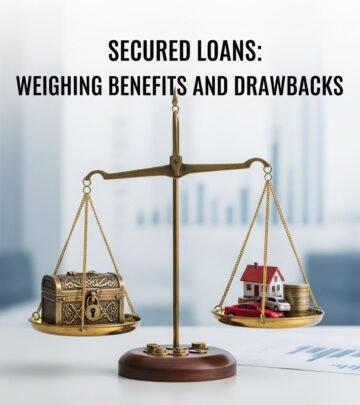
Opting for secured loans offers distinct benefits. Borrowers access higher limits—often $2,000 to $50,000 or more—and competitive rates due to mitigated risk. Those with lower credit scores or high debt-to-income ratios find approval easier, as the asset compensates for profile weaknesses.
- Lower interest costs over the loan life.
- Extended repayment flexibility.
- Broadens options for bad credit applicants.
Risks and Drawbacks to Consider
While advantageous, pledging collateral introduces significant risks. Default means losing the asset—potentially your home, car, or savings—leading to financial and emotional hardship. Restricted access to collateral (e.g., frozen savings) limits liquidity, and appraisal fees add upfront costs.
Additionally, market value drops (e.g., depreciating vehicles) could leave borrowers owing more than the asset’s worth. Always calculate total costs and have contingency plans.
Who Benefits Most from Secured Loans?
Ideal candidates include those needing large sums for debt consolidation, medical expenses, or major repairs, but lacking strong unsecured qualifications. Subprime borrowers or those with high existing debts gain most, as collateral offsets risks.
For prime borrowers, unsecured options might suffice with better rates elsewhere, avoiding asset exposure.
Steps to Secure a Loan with Collateral
Prepare thoroughly to maximize success:
- Gather asset documents (titles, deeds, statements).
- Obtain independent appraisals.
- Check credit reports for errors.
- Compare lender terms, focusing on rates and fees.
- Read fine print on default clauses.
Alternatives to Pledging Personal Assets
Not ready for collateral? Consider unsecured loans if credit allows, credit union options, or home equity lines (HELOCs) for real estate owners. Peer-to-peer lending or co-signers provide other paths without direct asset risk.
Frequently Asked Questions
Do all personal loans require collateral?
No, most are unsecured, but secured variants exist for better terms.
Can I use my home as collateral for a small loan?
Possible but uncommon; lenders prefer proportional assets for smaller amounts.
What if my collateral depreciates?
You remain liable for the full loan; lenders may demand additional security.
Are there fees for appraisals?
Yes, typically $300-$500 for homes or vehicles, paid by borrower.
How quickly can I access funds?
1-4 weeks, depending on appraisal timelines.
Final Thoughts on Smart Collateral Use
Secured personal loans empower borrowing with assets like real estate, vehicles, and investments, offering lower rates and accessibility. Weigh risks carefully—asset loss is permanent—and compare options to ensure alignment with financial goals. Consulting advisors enhances decision-making.
References
- Do You Need Collateral for a Personal Loan? — TD Bank. 2025. https://www.td.com/us/en/personal-banking/learning/collateral-for-personal-loan
- What Can Be Used as Collateral for a Personal Loan? — Experian. 2025. https://www.experian.com/blogs/ask-experian/what-can-be-used-as-collateral-for-a-personal-loan/
- What Can Be Used as Collateral for a Personal Loan? — Upstart Learn. 2025. https://www.upstart.com/learn/personal-loan-collateral/
- What Can Be Used as Collateral for a Personal Loan? — SoFi. 2025. https://www.sofi.com/learn/content/collateral-for-personal-loans/
- What Is Collateral and How Does It Work? — OneMain Financial. 2025. https://www.onemainfinancial.com/resources/loan-basics/what-is-collateral-and-how-does-it-work
- Secured vs. Unsecured Loans: It’s All About Collateral — Truist. 2025. https://www.truist.com/money-mindset/principles/outsmarting-debt/secured-vs-unsecured-loans
Similar Articles








Read full bio of medha deb