Cold Storage: Definition, Types, and Applications
Understanding cold storage in finance, banking, and food preservation systems.

Cold storage is a multifaceted term that has applications across different industries, from cryptocurrency security to food preservation and banking operations. Understanding the concept of cold storage is essential for businesses and individuals who need to preserve perishable goods, secure digital assets, or maintain comprehensive financial records. This comprehensive guide explores the definition, types, and various applications of cold storage across different sectors.
What Is Cold Storage?
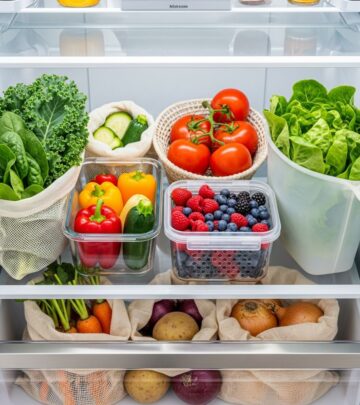
Cold storage refers to the practice of storing goods or data in a temperature-controlled or offline environment to preserve their quality, extend their shelf life, or enhance their security. In the context of food and perishable goods, cold storage facilities are typically large warehouses equipped with refrigeration systems that maintain specific temperature ranges suited to different products. The primary purpose of cold storage is to prevent deterioration, spoilage, and bacterial growth that would otherwise compromise product quality.
In the banking and financial sector, cold storage refers to a storage system that houses reports, statements, notices, and images generated by a core banking system during nightly processing. This archival system serves as a snapshot of daily financial institution activity and provides a searchable record for various banking operations and compliance purposes.
The concept extends beyond traditional applications to include cryptocurrency and digital asset management, where cold storage refers to keeping digital assets offline to prevent unauthorized access and theft.
The Importance of Cold Storage
Cold storage plays a critical role in multiple industries by preventing significant economic losses due to spoilage and deterioration. In the food industry, cold storage facilities enable suppliers to provide consumers with preferred food items year-round, even when production is not occurring. This infrastructure supports the global food supply chain and ensures food safety by adhering to applicable regulations and laws.
The economic significance of cold storage cannot be overstated. Billions of dollars worth of agricultural produce, meat, seafood, dairy items, and consumer packaged goods are stored in extremely cold environments to extend their shelf life and prevent foodborne pathogens. Without adequate cold storage infrastructure, societies would face increased food waste, higher prices, and food security challenges.
Cold Storage in the Food Industry
Understanding the Cold Chain
Cold storage is an essential component of the cold chain, which is a supply chain network made up of refrigerated manufacturing, storage, and distribution activities, along with related logistics and equipment. The purpose of the cold chain is to maintain the quality of perishable products through a desired low-temperature range. The cold chain logistics include cold storage warehouses, refrigerated transportation (mainly trucks), freezers for retail, and other temperature-controlled facilities.
This integrated network of climate-controlled facilities makes it possible for the food industry to operate efficiently across the United States, whether handling meat, dairy, fresh fruits and vegetables, or processed foods. Interestingly, cold chain logistics are also used for other commodities such as live plants, flowers, medicines, and even canvas paintings.
Temperature Requirements for Different Products
Not all cold storage solutions are the same because every product has different temperature requirements. For example, potatoes require vastly different conditions compared to ice cream. Cold storage facilities such as refrigerated warehouses, blast freezers, and cold stores are uniquely designed to create the specific conditions necessary to store particular items. Large cold storage facilities are typically equipped to handle a variety of products, each with tailored temperature and humidity controls.
Types of Cold Storage Solutions
Various cold storage solutions have been developed to provide different cooler temperatures and storage conditions for different products and applications.
Blast Freezers
Blast freezers are sophisticated cold storage solutions used by companies that need to rapidly cool food and store it for longer periods before it reaches the end consumer. These systems cool products quickly while protecting them against bacterial growth and decay, making them ideal for high-volume food processing operations.
Plant-Attached Cold Storage
Plant-attached cold storage facilities are warehouses directly connected to production facilities. Manufacturers can transport their products via conveyor belts directly from the manufacturing point to storage, keeping all operations in-house and on-site. This approach minimizes handling time and maintains product quality.
Public Cold Storage Warehouses
Many companies using cold storage have varying needs based on consumer preferences and product characteristics. Those unable to utilize plant-attached cold storage resort to using public refrigerated warehousing or custom cold storage facilities from third-party logistics providers. This solution offers flexibility and scalability for businesses with fluctuating storage needs.
Banking Cold Storage Systems
In the banking sector, cold storage refers to archival systems that house various documents and records. These systems typically contain trial balances, daily non-posts, return check items, new loan reports, new account reports, closed reports, pay-off reports, non-accrual reports, images of cashed checks and deposits, teller transactions, checking statements, loan statements, and employee login records to dormant accounts.
Cold Storage Applications in Banking
Cold storage is tightly integrated with financial institutions’ core banking systems and serves multiple critical functions.
Image Retrieval for Frontline Operations
Tellers and deposit staff members can use cold storage systems to find and view processed check images to answer customer and member inquiries. This capability allows banking professionals to access historical transaction records quickly and efficiently.
Text Matching and Search
Bankers can use cold storage systems to find text within reports based on specific search criteria. This searchable functionality enables efficient document management and compliance verification.
Offline Server Mode
If a financial institution’s primary system fails and tellers cannot access the core banking system, cold storage provides a trial balance (usually from the previous night) to approximate a customer’s account balance. This backup functionality ensures business continuity during system outages.
Benefits and Advantages of Cold Storage
Cost-Effectiveness
One of the biggest advantages of bulk cold storage is that it saves money for consumers and producers. Since cold storage keeps spoilage minimal, producers are not forced to increase prices to offset losses. Additionally, advanced blast freezers and modern cold storage technologies use less energy, leading to further operational savings.
Space Management
Managing wholesale perishable products presents significant storage challenges. Retail stores cannot keep all perishables on-site as it would consume excessive space, and adding independent refrigeration systems can be expensive. Using third-party cold storage facilities provides an obvious and more affordable solution. By storing goods in a centralized location, businesses can consolidate inventory and track sales and purchases more easily. Additionally, it is far easier to regulate temperature according to specific needs inside a cold storage warehouse than in a retail environment.
Quality Preservation
Cold storage facilities, especially blast freezers, cool products in ways that protect them against bacterial growth causing decay. By storing foods in controlled-temperature environments, producers prevent foodborne pathogens and maintain product quality throughout the supply chain.
Year-Round Availability
Cold storage enables suppliers to provide products throughout the year even when production is not occurring. This consistency supports consumer access to fresh and frozen foods regardless of seasonal production cycles.
Comparison of Cold Storage Solutions
| Storage Type | Primary Use | Advantages | Best For |
|---|---|---|---|
| Blast Freezers | Rapid cooling and long-term storage | Quick cooling, bacterial protection, high capacity | High-volume food processing |
| Plant-Attached Storage | On-site manufacturing and storage | Minimal handling, operational efficiency, quality control | Integrated production facilities |
| Public Warehouses | Flexible third-party storage | Cost-effective, scalable, professional management | Variable storage needs, smaller businesses |
| Banking Cold Storage | Record archival and retrieval | Searchable, compliant, backup functionality | Financial institutions and compliance |
Products Suitable for Cold Storage
Cold storage facilities accommodate a wide variety of perishable and sensitive products:
– Frozen foods
– Baked goods and confectioneries
– Meat and seafood
– Fresh vegetables and fruits
– Dairy products
– Pharmaceutical products
– Chemicals
– Live plants and flowers
– Fine art and canvas paintings
– Medicines and vaccines
Future Trends in Cold Storage
The cold storage industry continues to evolve with technological advancements. Modern cold storage solutions increasingly utilize data analytics to optimize inventory management and reduce energy consumption. Multi-temperature storage networks allow facilities to accommodate various products simultaneously, each maintained at their optimal temperature range. Additionally, integration with real-time tracking systems provides unprecedented visibility into product movement and condition throughout the supply chain.
Frequently Asked Questions
Q: What is the difference between cold storage and the cold chain?
A: Cold storage refers specifically to the storage facilities and warehouses where perishable goods are kept at controlled temperatures. The cold chain, however, is the entire network of refrigerated manufacturing, storage, transportation, and distribution activities designed to maintain product quality from production to consumer.
Q: How does cold storage prevent food spoilage?
A: Cold storage maintains low temperatures that slow bacterial growth and metabolic processes in food products. Blast freezers rapidly cool products, which creates an inhospitable environment for pathogens and extends shelf life significantly.
Q: Can cold storage facilities store different types of products simultaneously?
A: Yes, large cold storage facilities are often equipped with multi-temperature zones, allowing them to store various products, each maintained at their specific optimal temperature and humidity requirements.
Q: What is banking cold storage used for?
A: Banking cold storage serves as an archival system for financial records, including transaction images, statements, loan reports, and other documents generated during nightly processing. It provides searchable records and serves as a backup system during outages.
Q: Why should businesses use third-party cold storage providers?
A: Third-party cold storage providers offer cost-effective solutions that eliminate the need for expensive on-site refrigeration systems. They provide scalability, professional management, efficient inventory consolidation, and the ability to handle multiple products simultaneously.
Q: How do modern cold storage facilities reduce operational costs?
A: Advanced cold storage technologies use less energy than older systems while maintaining optimal temperatures. Additionally, by minimizing spoilage, cold storage reduces waste and allows producers to maintain competitive pricing without offsetting losses.
References
- An Overview of Cold Storage in the Food Industry — Vertical Cold. Accessed 2025. https://www.verticalcold.com/an-overview-of-cold-storage-in-the-food-industry/
- What Is Cold Storage & How It’s Used In Banking — Alogent. Accessed 2025. https://www.alogent.com/banking-definitions/cold-storage-banking
- COLD STORAGE Definition & Meaning — Merriam-Webster Dictionary. Accessed 2025. https://www.merriam-webster.com/dictionary/cold%20storage
Similar Articles








Read full bio of Sneha Tete