25 Cold Lunch Ideas For Work And School On A Budget
Discover 25 easy, no-heat cold lunch ideas that save money, reduce waste, and keep you full and energized all week.
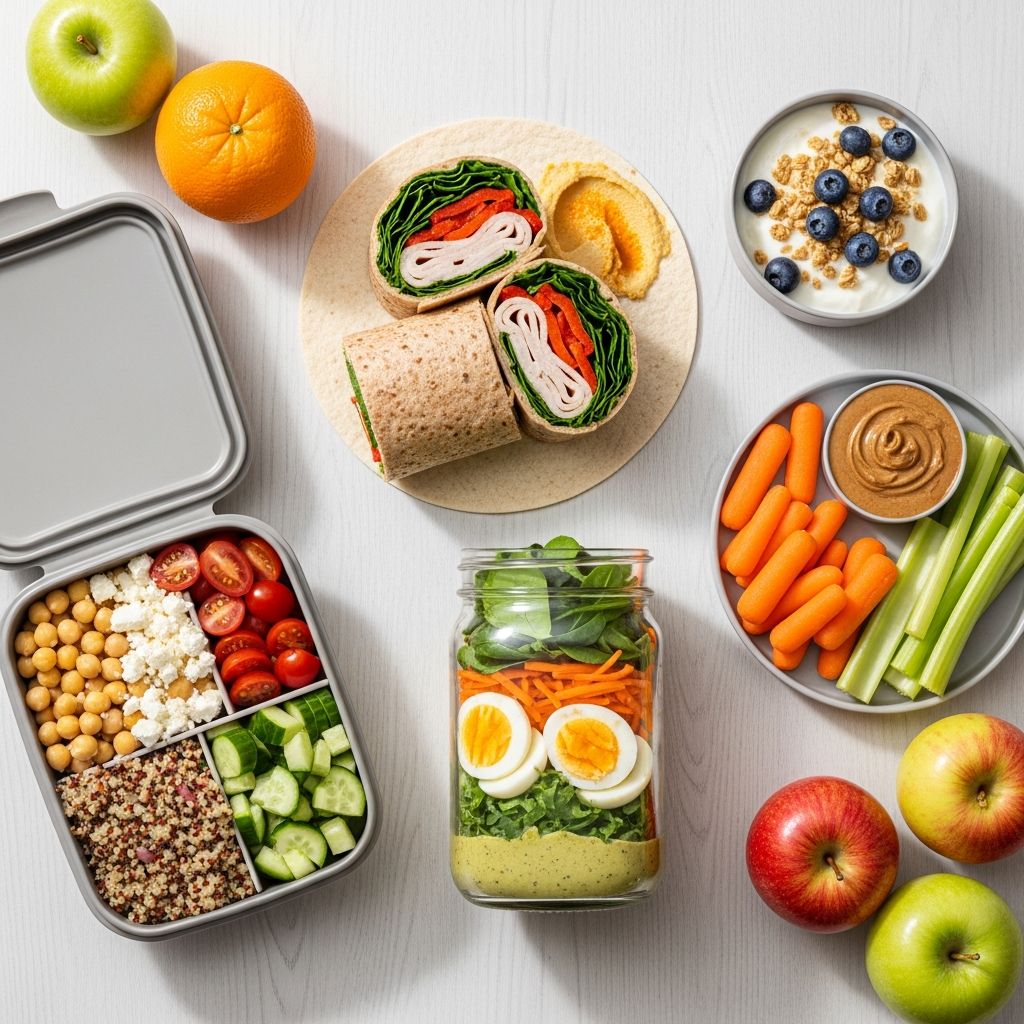
Eating out every workday can drain your bank account faster than you realize. Packing cold lunches you can grab and go is one of the simplest ways to cut your food spending, reduce waste, and still eat meals you genuinely enjoy.
This guide walks you through 25 budget-friendly cold lunch ideas, plus practical tips for planning, prepping, and packing lunches that fit your lifestyle and your wallet.
Why packing cold lunches saves you serious money
Restaurant and takeout meals usually cost several times more than cooking the same meal at home, especially once you factor in drinks, tips, and delivery fees. Over a month, bringing your own lunch instead of buying it can easily save you hundreds of dollars.
Cold lunches are especially convenient because they don’t require reheating, which makes them ideal if you:
- Don’t have access to a microwave at work or school
- Eat on the go, in your car, or between meetings
- Share a crowded kitchen and want to avoid long lines at lunchtime
They also help you make better use of groceries, which can reduce food waste and save money over time.
Cold lunch ideas that use leftovers and pantry staples
Before you plan brand-new recipes, look at what you already have. Using leftovers and pantry staples is one of the fastest ways to keep your lunch costs low.
1. DIY burrito bowls
Reinvent leftover rice, beans, and cooked meat (or roasted vegetables) as a flavorful burrito bowl.
- Base: leftover rice or quinoa
- Protein: beans, grilled chicken, turkey, or tofu
- Add-ins: corn, salsa, shredded lettuce, cheese
- Top with: plain yogurt or a drizzle of dressing
Pack the toppings in small containers to keep everything crisp until lunchtime.
2. Cold pasta salad
Pasta salad is cheap, filling, and perfect for making in large batches.
- Cook a box of pasta and toss with olive oil so it doesn’t stick
- Mix in chopped veggies like bell peppers, cucumbers, and tomatoes
- Add protein: beans, diced cheese, or leftover chicken
- Finish with a vinaigrette, herbs, salt, and pepper
3. Leftover roast chicken wraps
Roast a whole chicken once and turn it into several lunches.
- Shred leftover chicken
- Layer in a tortilla with lettuce, tomato, and a simple sauce
- Add sliced cheese or beans for extra protein
4. Bean and grain power bowls
Combine cooked grains and canned beans for inexpensive, no-heat lunches.
- Base: brown rice, barley, quinoa, or couscous
- Protein: chickpeas, black beans, or lentils
- Add-ins: shredded carrots, leftover roasted vegetables, seeds
- Dressing: olive oil, lemon juice, salt, pepper, and herbs
5. Tuna or salmon salad crackers
Canned fish is shelf-stable, affordable, and rich in protein and omega-3 fats.
- Mix canned tuna or salmon with a bit of mayonnaise or yogurt
- Add diced pickles, celery, or onions for crunch
- Pack with whole grain crackers and sliced vegetables
Cold sandwich and wrap lunch ideas
Sandwiches and wraps are classic for a reason: they are customizable, quick to assemble, and portable.
| Idea | Main Protein | Budget Tip |
|---|---|---|
| Turkey & cheese wrap | Deli turkey, cheese | Buy family packs and freeze in portions |
| Hummus veggie pita | Hummus | Make hummus from dried chickpeas |
| Egg salad sandwich | Hard-boiled eggs | Boil a dozen eggs at once |
| Peanut butter & banana roll-up | Nut butter | Use store brands and buy in bulk |
6. Turkey and cheese wrap
Wraps travel well and are easy to adjust to your tastes.
- Spread mustard, hummus, or light mayo on a tortilla
- Add sliced turkey, cheese, and lettuce or spinach
- Roll tightly and slice into halves or pinwheels
7. Hummus and veggie pita
This is a filling vegetarian option built around inexpensive pantry staples.
- Spread hummus inside a pita pocket
- Stuff with cucumbers, tomatoes, shredded carrots, and greens
- Add feta or olives if you like a Mediterranean twist
8. Egg salad sandwich
Eggs are typically one of the most budget-friendly protein sources available.
- Chop hard-boiled eggs and mix with a small amount of mayo or yogurt
- Add mustard, salt, pepper, and chopped celery or pickles
- Serve on whole grain bread or in a lettuce wrap
9. Peanut butter and banana roll-ups
This lunch doubles as a satisfying snack when you are short on time.
- Spread peanut butter (or another nut/seed butter) on a tortilla
- Place a peeled banana on one edge and roll tightly
- Slice into bite-size pieces
10. Chicken salad lettuce cups
Skip the bread and serve chicken salad in lettuce leaves to keep things light.
- Mix diced or shredded cooked chicken with a dressing
- Stir in grapes, apples, or celery for crunch and sweetness
- Spoon into large lettuce leaves and fold like tacos
No-heat salad and bowl ideas
Salads and bowls are ideal for using up bits of produce and leftovers while keeping your meal colorful and nutritious.
11. Classic garden salad with protein
Start with a base of greens and build from there.
- Base: mixed greens, romaine, or spinach
- Toppings: tomatoes, cucumbers, shredded carrots, bell peppers
- Protein: beans, hard-boiled eggs, canned tuna, or chicken
- Dressing: olive oil and vinegar or a homemade vinaigrette
12. Chickpea and cucumber salad
Chickpeas are inexpensive and versatile, making them perfect for budget lunches.
- Combine drained chickpeas, sliced cucumbers, and chopped onions
- Toss with lemon juice, olive oil, salt, pepper, and herbs
- Add crumbled cheese if you want extra richness
13. Greek-inspired salad
Pack a salad with flavor so you don’t miss takeout.
- Chop tomatoes, cucumbers, red onions, and bell peppers
- Add olives and feta cheese
- Toss with olive oil, lemon juice, oregano, salt, and pepper
14. Fruit and nut yogurt bowls
Yogurt bowls work for lunch when you pair them with enough protein and healthy fats.
- Use plain yogurt as a base
- Add fresh or frozen fruit, like berries or sliced apples
- Sprinkle on nuts, seeds, or granola
15. Couscous or quinoa veggie bowls
Whole grains add fiber and help you stay full throughout the afternoon.
- Cook couscous or quinoa and cool it
- Mix with chopped vegetables and beans or peas
- Dress with a simple vinaigrette or lemony dressing
Snack-style cold lunches (mix and match)
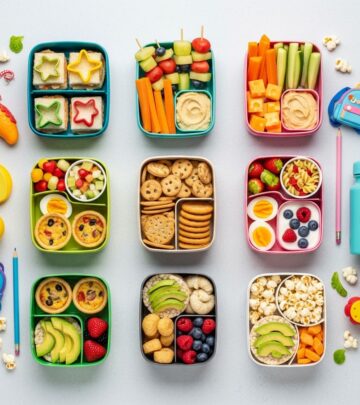
If you prefer grazing during the day, build a “snack box” style lunch that combines several mini options instead of one large meal.
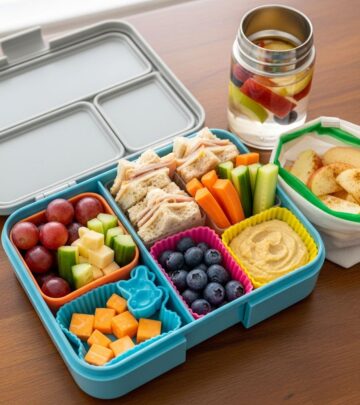
16. DIY “bento” box
- Protein: cheese cubes, leftover chicken, or hard-boiled eggs
- Carbs: whole grain crackers or a small roll
- Produce: sliced carrots, cucumbers, or grapes
- Dips: hummus, salsa, or yogurt-based dip
17. Veggies and hummus snack pack
Pre-portion your own snack packs instead of buying expensive pre-made ones.
- Carrots, celery, bell peppers, and snap peas
- Small reusable container of hummus
- Optional: a handful of nuts or seeds on the side
18. Cheese, fruit, and nuts box
This combination feels like a café snack board but at a fraction of the price.
- Cheese slices or cubes
- Fresh or dried fruit
- Almonds, walnuts, or sunflower seeds
19. Cold pizza slice with sides
If you enjoy cold pizza, pair it with lighter sides to create balance.
- Leftover pizza slice
- Side salad or cut raw vegetables
- Fruit such as an apple or orange
20. Simple sandwich plus produce
There is nothing wrong with a straightforward sandwich when it is budget-conscious and satisfying.
- Half or whole sandwich with your favorite filling
- Side of raw vegetables
- Fruit or yogurt for something sweet
Cold lunch ideas for special diets
With a bit of planning, you can keep lunches budget-friendly while also supporting your health goals or dietary needs.
21. Vegetarian bean wraps
- Spread refried beans or mashed seasoned beans on a tortilla
- Add lettuce, tomato, and shredded cheese (optional)
- Roll and slice for easy eating
22. Gluten-free grain bowls
Skip wheat-based grains and use rice or quinoa as the base.
- Combine rice or quinoa with vegetables and beans
- Add a simple dressing or salsa
- Top with seeds or nuts for texture
23. Dairy-free salad jars
Salad jars keep ingredients crisp and allow you to pack several lunches at once.
- Layer dressing at the bottom, then sturdy vegetables, grains, and greens on top
- Use beans, seeds, and nuts instead of cheese
- Shake just before eating to coat everything in dressing
24. High-protein snack plates
If you are aiming for higher protein, build a plate with multiple protein sources.
- Hard-boiled eggs or canned fish
- Edamame, beans, or lentil salad
- Nuts or seeds
25. Simple rice paper rolls
Rice paper rolls are an easy, no-heat way to use up small amounts of ingredients.
- Soften rice paper wrappers in water
- Fill with shredded vegetables, leftover protein, and herbs
- Serve with soy sauce or a homemade dipping sauce
How to plan and prep budget-friendly cold lunches
Consistent lunch savings come from planning ahead and using your groceries strategically. Research on food budgeting shows that planning meals and using a shopping list are key habits for keeping costs down and reducing food waste.
Plan your lunches around your schedule
- Busy days: Choose grab-and-go options like wraps, snack boxes, or yogurt bowls
- Desk days: Pack salads, grain bowls, or bento-style lunches
- Travel days: Use sturdy items that don’t crush easily, like wraps, nuts, and firm fruit
Buy ingredients that work in multiple meals
To stretch your budget:
- Pick proteins you can use for dinner and lunch (like beans, eggs, or chicken)
- Choose vegetables that hold up well in the fridge, such as carrots, cabbage, and cucumbers
- Use pantry staples like rice, pasta, oats, and canned beans as your base
Batch-prep once, eat multiple times
- Cook a big batch of grains on the weekend
- Chop vegetables and store them in containers for quick assembly
- Portion out snacks so you can throw them into your bag in seconds
Use simple, reusable containers
A few sturdy reusable containers can make packing lunch easier and help reduce waste.
- Choose containers that stack well in your fridge
- Use small containers for dressings or dips to avoid soggy meals
- Add an ice pack if your lunch will sit out for several hours
Money-saving tips for cold lunches
Beyond recipes, the way you shop and store food has a big impact on how much you spend.
Shop with a list and a budget
Planning your lunches and writing a list before shopping helps you avoid impulse purchases and stick to your budget.
- Plan 3–5 simple lunch ideas per week
- Write a list based on what you already have at home
- Buy store brands when possible
Use unit prices to compare value
Check the price per ounce or per pound on the shelf tag to see which size or brand is the best deal.
- Large containers of yogurt are often cheaper than single-serve cups
- Blocks of cheese often cost less per ounce than pre-sliced cheese
- Dry beans are generally cheaper than canned, especially in bulk
Reduce food waste with smart storage
Storing food properly extends its shelf life, which lowers how much you throw away and therefore how much you spend.
- Keep cut fruits and vegetables in airtight containers
- Freeze extra cooked grains, bread, or tortillas if you will not use them soon
- Label leftovers with the date so you remember to eat them
Frequently Asked Questions (FAQs)
Q: How many days in advance can I prep cold lunches?
A: Most cold lunches, like grain bowls, bean salads, and pasta salads, keep for 3–4 days in the refrigerator when stored in airtight containers. Leave dressings and wet ingredients separate until the day you plan to eat them for the best texture.
Q: What if I do not have a fridge at work?
A: Pack your lunch in an insulated bag with one or two ice packs. Choose options that are less perishable, such as nut butter sandwiches, whole fruits, nuts, and canned fish that you open right before eating.
Q: How can I avoid getting bored with my lunches?
A: Keep the basic structure the same, but rotate flavors. For example, use the same grain and bean base, but change the dressing and toppings each week. You can also switch between wraps, salads, and snack boxes so lunches feel different without requiring complicated recipes.
Q: Are cold lunches healthy enough compared to hot meals?
A: Cold lunches can be just as nutritious as hot meals if you include a balance of protein, whole grains, healthy fats, and plenty of fruits and vegetables. Focus on overall balance rather than whether the meal is hot or cold.
Q: How much money can I save by packing lunch?
A: The exact number varies, but replacing a $10 restaurant or takeout lunch with a $3–$4 homemade cold lunch could save you around $30–$35 per workweek, or well over $1,000 in a year.
References
- Choose Healthy Foods on a Budget — U.S. Department of Agriculture. 2023-03-01. https://www.myplate.gov/tip-sheet/choose-healthy-foods-budget
- The Cost of Eating Out vs. Cooking at Home — Bureau of Labor Statistics, Consumer Expenditure Surveys. 2022-09-08. https://www.bls.gov/cex/
- Reducing Wasted Food At Home — U.S. Environmental Protection Agency. 2023-04-10. https://www.epa.gov/recycle/reducing-wasted-food-home
- Seafood Nutrition — U.S. Food and Drug Administration. 2022-10-14. https://www.fda.gov/food/consumers/advice-about-eating-fish
- Eggs: Nutritional and Functional Properties — U.S. Department of Agriculture. 2021-06-30. https://fdc.nal.usda.gov/
- Sustainable Management of Food Basics — U.S. Environmental Protection Agency. 2022-11-02. https://www.epa.gov/sustainable-management-food/sustainable-management-food-basics
- Food Storage for Safety and Quality — U.S. Department of Agriculture, Food Safety and Inspection Service. 2023-05-05. https://www.fsis.usda.gov/food-safety/safe-food-handling-and-preparation/food-safety-basics
Similar Articles








Read full bio of Sneha Tete