Cloth Diapers For Cheap: Save Up To $800/Year
Discover affordable ways to switch to cloth diapers, save thousands on diapering costs, and reduce waste without breaking the bank.
Switching to cloth diapers can save parents thousands of dollars over a child’s diapering years, but the upfront cost often deters budget-conscious families. The good news? You don’t need to spend a fortune to get started. This guide explores proven strategies to acquire high-quality cloth diapers affordably, from secondhand markets to DIY solutions, helping you reap the financial and environmental benefits without financial strain.
Why Cloth Diapers Save Money Long-Term
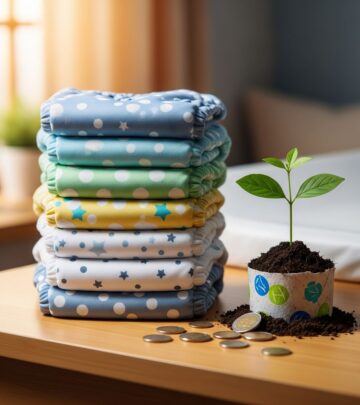
Disposable diapers cost an average of $0.20 to $0.50 per diaper, totaling $1,500 to $2,500 for one child through potty training. In contrast, a full cloth diaper stash costs $200 to $600 upfront but lasts multiple children, paying for itself after just a few months. Additional savings come from reduced laundry needs with efficient routines and earlier potty training often observed in cloth-diapered babies.
- Break-even point: A $5 cloth diaper equals 12-20 disposable changes.
- Annual savings: Up to $800 per year per child.
- Eco-bonus: Diverts thousands of disposables from landfills.
Buy Used Cloth Diapers: The Cheapest Entry Point
Secondhand cloth diapers are nearly as good as new since they don’t expire and proper cleaning restores them fully. Parents sell gently used stashes at 30-70% off retail to fund the next child or clear space.
- Facebook Marketplace and local mom groups: Free or $1-2 per diaper.
- Diaper banks and swaps: Often donation-based or very low-cost.
- Online resellers like Diaper Pin or Facebook sales: Bundles under $150 for 20+ diapers.
Inspect for stains (removable with sunshine), weak elastics, or pilling. Start with 12-18 diapers for newborns, expanding as needed.
Budget Brands and Starter Kits Under $200
Affordable new options make cloth diapering accessible without used buys.
| Brand | Price Range | Key Features |
|---|---|---|
| Flats & Covers (e.g., Gerber prefolds) | $50-100 for full stash | Versatile, adjustable, easy to wash |
| All-in-One (AIO) like bumGenius Element | $15-20 each | Disposable-like convenience |
| Pocket Diapers (econobums) | $8-12 each | Customizable absorbency |
| Hybrid Systems | $100-150 kits | Disposable inserts option |
Prefold flats with covers cost under $1 per diaper setup and adjust from birth to toddlerhood.
DIY Cloth Diapers: Ultra-Cheap Customization
Make your own for pennies using household fabrics. Old T-shirts, flannel sheets, or birdseye cotton flats work perfectly.
- Flats from towels: Cut into 12×12 squares; fold into prefolds. Cost: Free.
- Covers from PUL fabric: $10/yard makes 4-6 covers; sew simple envelope style.
- No-sew options: Use Snappi fasteners with prefolds inside waterproof pants ($5 each).
Tutorials abound online; a full DIY stash costs under $50. Test for leaks and adjust absorbency.
Rentals and Trial Programs: Test Before Investing
Many services rent cloth diaper kits for $25-50/month, ideal for travel or trials. Includes laundry service, eliminating washing hassle.
- Local co-ops: $0.50/diaper per week.
- National rentals: Full service for short terms.
Essential Add-Ons Without Extra Cost
Stock up on free/cheap boosters like microfiber towels or hemp inserts from old clothing. Wool covers ($10 used) provide overnight protection.
Laundry Hacks to Minimize Expenses
Cloth diapering’s hidden cost is water/electricity, but optimize to match disposables.
- Wash every 2-3 days with cold water.
- Line dry to save energy.
- Use cloth wipes (cut from old towels) instead of disposables.
Total added utility: $50-100/year, still netting huge savings.
Overcoming Common Myths
| Myth | Reality |
|---|---|
| Cloth is harder to use | Modern systems snap on like disposables |
| Leaks constantly | Proper fit prevents 95% of issues |
| Not daycare-friendly | Many accept with provider notice |
Frequently Asked Questions (FAQs)
Q: How many cloth diapers do I need?
A: 24-36 for full-time use, allowing every-other-day laundry. Newborns need 12-18 smaller sizes.
Q: Do cloth diapers really potty train babies faster?
A: Anecdotally yes; babies feel wetness more, cueing awareness. Average training at 24 months vs. 30+ for disposables.
Q: What’s the best cheap cloth diaper for beginners?
A: Prefold flats with Thirsties covers: Trim, versatile, under $100 total.
Q: Can I mix cloth and disposable?
A: Yes, hybrids use flushable inserts with reusable shells for flexibility.
Q: How do I clean stains?
A: Sun-dry; hydrogen peroxide soak for tough spots. No harsh chemicals needed.
Real Parent Savings Stories
One mom built a stash for $75 using Marketplace flats and DIY covers, saving $1,800 vs. disposables. Another rented for $200 over 6 months before buying used, transitioning seamlessly.
Cloth diapering cheaply empowers families to prioritize savings and sustainability. Start small, scale as confident.
References
- 9 Reusable Products That Will Save You Money Over Time — The Penny Hoarder. 2023. https://www.thepennyhoarder.com/save-money/reusable-products/
- How to Save Money on Diapers: 6 Tips for Using Fewer Cloth and Disposable Diapers — Go Diaper Free. 2023. https://godiaperfree.com/how-to-save-money-on-diapers-6-tips-for-using-fewer-cloth-and-disposable-diapers/
- Are Pricy Cloth Diapers Worth the Extra Money? — The Penny Hoarder. 2023. https://www.thepennyhoarder.com/save-money/cloth-diapers/
- Save Money With Cloth Diapers: Here’s Where to Get Them for Less — The Penny Hoarder. 2023. https://www.thepennyhoarder.com/save-money/cloth-diapers-for-cheap/
- Local mom starts cloth diaper business to reduce waste — Midland Reporter-Telegram. 2016-05-01. https://www.mrt.com/lifestyles/article/Local-mom-starts-cloth-diaper-business-to-reduce-7434142.php
Similar Articles








Read full bio of Sneha Tete