Closing Costs Guide For Homebuyers: Average Fees & Savings
Uncover the full picture of closing costs: typical ranges, key components, and smart strategies to minimize expenses when buying your home.
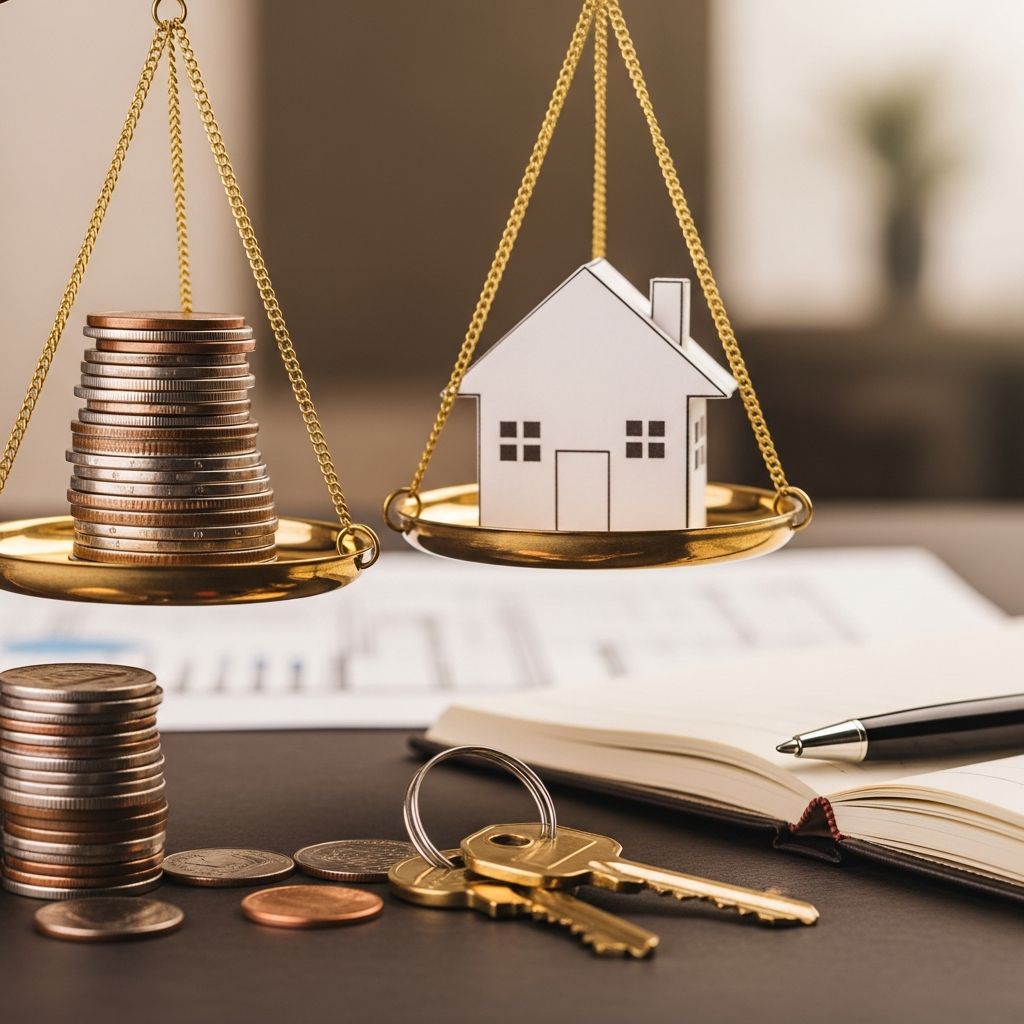
Closing costs represent a critical part of purchasing a home, encompassing various fees and expenses paid at the end of the transaction to finalize the mortgage and transfer property ownership. These costs generally range from 2% to 5% of the home’s purchase price for buyers, excluding the down payment. For a $300,000 home, this translates to $6,000 to $15,000, though amounts can climb higher depending on location, loan type, and other variables.
Why Closing Costs Matter in Your Home Purchase
Understanding closing costs helps buyers budget accurately and avoid surprises. These expenses cover services like loan processing, property valuation, legal protections, and initial payments for ongoing obligations such as taxes and insurance. Sellers also face costs, often higher at 8% to 10% of the sale price due to commissions and taxes, but these are deducted from proceeds. Buyers should anticipate paying most fees upfront, though options like lender credits or seller concessions can offset them.
Average Closing Costs Across the U.S.
Recent data shows U.S. buyers of single-family homes pay an average of $4,661 in closing costs, excluding agent commissions, with refinances lower at $2,403. For loans between $400,000 and $500,000, totals range from $10,500 to $21,000 nationally, heavily influenced by prepaid items like taxes and insurance that can comprise half the bill. Regional differences are stark: costs vary by state due to taxes, regulations, and service rates.
| Loan Amount Range | Average Closing Costs (Excl. Prepaids) | Key Influencing Factors |
|---|---|---|
| $200k – $300k | $5,000 – $10,000 | Lower taxes in rural areas |
| $400k – $500k | $10,500 – $21,000 | High prepaid shares, title fees |
| $600k+ | $15,000+ | Urban locations, higher taxes |
This table illustrates typical ranges based on loan size; actual figures depend on specifics like property location.
Core Components of Buyer Closing Costs
Closing costs break into lender fees, third-party services, government charges, and prepaids. A handful of fees dominate: lender title policies, transfer taxes, and origination charges often account for over 50% of the total.
- Origination Fees: Lender charges for processing the loan, typically 0.5% to 1% of the loan amount. These cover underwriting and documentation.
- Appraisal Fee: $300 to $600 for a professional valuation ensuring the home’s worth supports the loan.
- Credit Report Fee: Around $80 to pull and verify your credit history.
Title and Settlement Services
Title insurance protects against ownership disputes, with lender policies mandatory and owner policies optional. These, plus settlement fees, form a major chunk—often 20-30% of costs. Escrow agents manage funds, charging for their neutral role in the transaction.
Government and Recording Fees
These include transfer taxes (state/city levies on ownership changes) and recording fees to update public records. Rates vary widely; some areas impose hefty stamps.
Prepaid Expenses Explained
Often the largest slice, prepaids cover initial homeowners insurance (average $2,110 annually), prorated property taxes, and escrow setups for future payments. They’re not true ‘costs’ but advance payments for ongoing homeownership duties.
Factors That Drive Closing Cost Variations
Several elements determine your final bill:
- Location: High-tax states like New York inflate costs; low-regulation areas keep them down.
- Loan Type: FHA loans add upfront mortgage insurance (1.75% of loan), totaling 2-6%; conventional stays 2-5%.
- Property Details: Condos or investment properties incur different fees than single-family homes.
- Lender Choices: Shopping providers yields savings on origination and third-party services.
Loan amount scales many fees proportionally, amplifying totals for pricier homes.
Seller Closing Costs: What to Anticipate
Sellers pay 8-10% typically, dominated by 5-6% agent commissions plus 2-4% in taxes and fees. Unlike buyers, these come from sale proceeds—no cash needed at closing. Negotiating concessions, like covering buyer fees up to 6% of price, can sweeten offers.
Strategies to Lower Your Closing Costs
Proactive steps can trim thousands:
- Shop Lenders: Compare Loan Estimates; no-loan origination options save big.
- Negotiate with Seller: Request credits toward your fees.
- Opt for Credits: Trade higher interest rates for lender-paid costs (weigh long-term interest).
- Timing Purchases: Buy mid-month to prorate fewer taxes.
- Ask About Waivers: Strong credit or repeat business may waive fees.
Review the Closing Disclosure 3 days pre-closing for accuracy.
Loan Types and Their Closing Cost Impacts
| Loan Type | Typical Closing Cost % | Unique Fees |
|---|---|---|
| Conventional | 2-5% | PMI if <20% down |
| FHA | 2-6% | UFMIP (1.75%) |
| VA/USDA | 1-3% | Funding fee (varies) |
Choose based on eligibility; VA loans minimize upfront costs for veterans.
Frequently Asked Questions (FAQs)
Who pays closing costs in a home sale?
Buyers cover most (2-5%), sellers handle commissions and some taxes. Negotiations can shift burdens.
Can closing costs be rolled into the mortgage?
Yes, if lender permits, but you’ll pay interest over time—often better to pay cash.
How do I estimate my closing costs?
Use online calculators factoring home price, location, and loan details for ballpark figures.
Are closing costs tax-deductible?
Some like points and mortgage interest are; consult a tax pro for your situation.
What if appraisal comes in low?
Renegotiate price, cover difference, or exit if contingency allows.
Navigating Closing Day Successfully
Arrive prepared with ID, cashier’s check, and reviewed documents. The Closing Disclosure details every charge—question discrepancies. Wire transfers secure funds; avoid cash. Post-closing, confirm recording and receive keys.
By mastering these elements, buyers turn a complex process into a smooth milestone toward ownership.
References
- What Components Make Up Closing Costs? — Urban Institute. 2023. https://www.urban.org/urban-wire/what-components-make-closing-costs
- Closing Costs Explained – How Much Are Closing Costs? — Zillow. 2025. https://www.zillow.com/learn/closing-costs/
- What Do Closing Costs Include? — Chelsea Groton Bank. 2024. https://chelseagroton.com/closing-costs-include/
- Understanding Closing Costs: What to Expect When Buying a Home — Liberty Bank. 2024. https://www.libertybank.com/understanding-closing-costs-what-to-expect-when-buying-a-home/
- What are Mortgage Closing Costs? — NerdWallet. 2025. https://www.nerdwallet.com/mortgages/learn/closing-costs-mortgage-fees-explained
- Mortgage Closing Costs: A Guide for Homebuyers — WestStar CU. 2024. https://www.weststar.org/resources/education/blog/blog-detail.html?title=mortgage-closing-costs-a-guide-for-homebuyers
- Mortgage closing costs: What are they, and how much will you pay? — Bankrate. 2025. https://www.bankrate.com/mortgages/what-are-closing-costs/
Similar Articles








Read full bio of Sneha Tete