Clearing Hard Inquiries from Your Credit File
Discover proven strategies to eliminate unauthorized hard inquiries and safeguard your credit score for better financial opportunities.
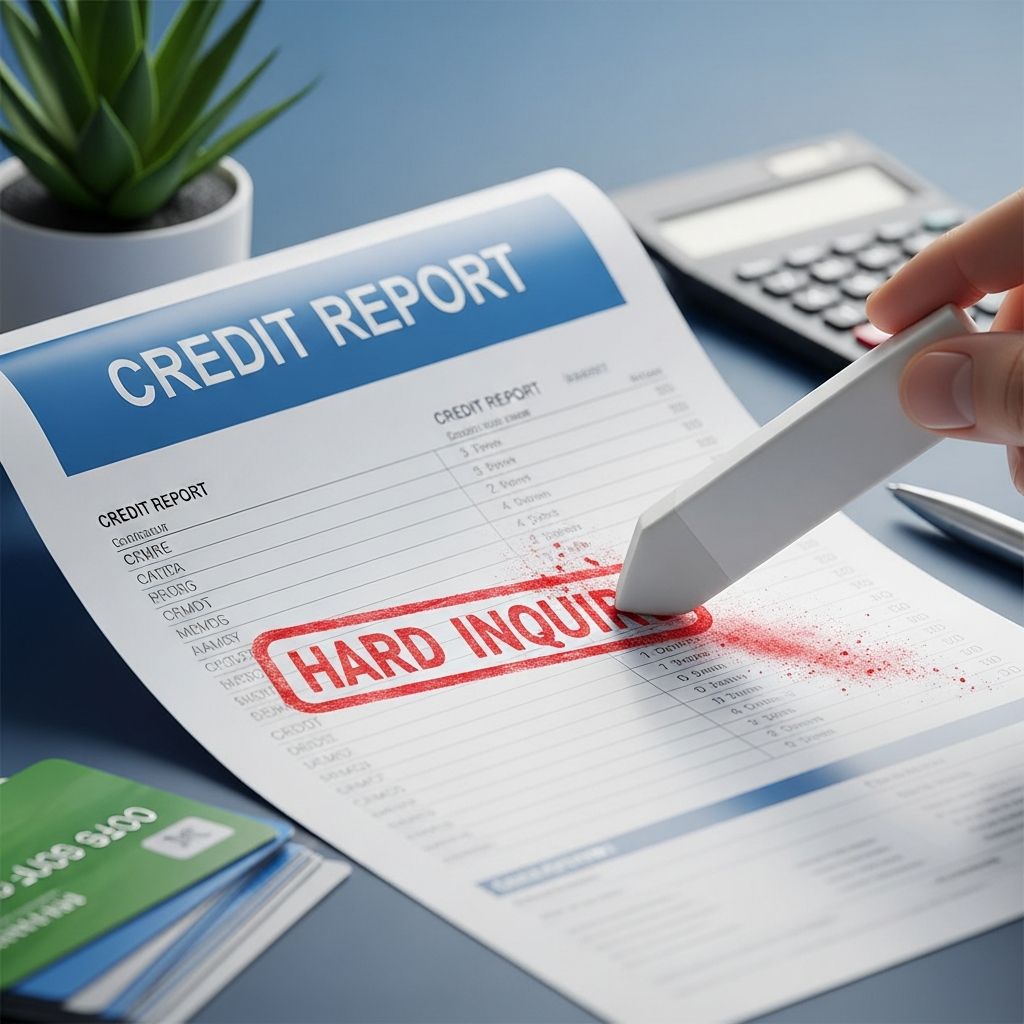
Hard inquiries appear on your credit report when lenders check your credit history during a credit application, potentially lowering your credit score temporarily. While most fade naturally over time, unauthorized or inaccurate ones can be challenged and removed to optimize your financial standing.
The Fundamentals of Credit Inquiries
Credit inquiries are records of when companies access your credit information. They divide into two primary types: hard and soft. Hard inquiries stem from formal credit applications, such as loans or credit cards, where you authorize the lender to review your full credit profile. These entries signal to future lenders that you’re actively seeking new credit, which might raise concerns about financial stress if multiple occur closely together.
Soft inquiries, conversely, arise from activities like pre-approvals, account reviews by existing creditors, or your own credit checks. They do not influence credit scores and remain invisible to other lenders. Understanding this distinction is crucial because only hard inquiries carry scoring consequences.
- Hard Inquiry Triggers: New loan applications, credit card requests, or even some apartment rentals and job applications requiring credit verification.
- Duration on Report: Typically two years, but scoring impact lasts about 12 months.
- Score Impact: A single inquiry might drop your score by 5-10 points, with multiples amplifying the effect based on your overall credit profile.
Why Hard Inquiries Matter for Your Financial Health
Each hard inquiry contributes to the ‘new credit’ factor in models like FICO and VantageScore, which comprise 10% of your score. Lenders view recent inquiries as indicators of potential overextension, especially if clustered. For instance, shopping for a mortgage across several lenders within a short window is often treated as a single inquiry by scoring models, mitigating damage—usually within 14-45 days.
Beyond scores, inquiries provide a timeline of your credit-seeking behavior. A sparse inquiry history suggests stability, appealing to conservative lenders. Excessive inquiries, however, can lead to denials or higher interest rates, perpetuating a cycle of credit challenges.
| Inquiry Type | Impact on Score | Visibility to Lenders | Common Examples |
|---|---|---|---|
| Hard | Yes, temporary drop | Visible to all | Loan apps, credit cards |
| Soft | No impact | Visible only to you | Pre-approvals, self-checks |
Recognizing Legitimate vs. Suspicious Inquiries
Not all hard inquiries deserve to stay. Legitimate ones match your recent applications, like a car loan after visiting dealerships. Suspicious entries lack recollection or appear fraudulent, possibly from identity theft. Regularly reviewing your reports from Equifax, Experian, and TransUnion—available weekly for free at AnnualCreditReport.com—helps spot discrepancies early.
Signs of trouble include inquiries from unknown companies, multiples from the same source without your action, or entries predating your authorization. Court-ordered checks bypass permission, but they’re rare and should be verifiable.
Step-by-Step Guide to Challenging Inquiries
To remove an erroneous hard inquiry, initiate a dispute with the credit bureaus. This process is free and governed by the Fair Credit Reporting Act (FCRA), obligating bureaus to investigate within 30 days.
- Gather Documentation: Collect application records, denial letters, or identity theft reports if applicable.
- Identify the Target: Note the inquiry date, lender, and bureau where it appears.
- Submit Disputes: Use online portals, mail, or phone. Online is fastest via each bureau’s site.
- Provide Evidence: Explain why it’s inaccurate—e.g., ‘I did not authorize this’ or ‘Identity theft victim.’
- Follow Up: Track progress; bureaus must notify you of outcomes.
If the bureau verifies the inquiry as accurate, contact the furnisher (lender) directly to request deletion. Persistence often yields results, as furnishers aim to avoid disputes.
Special Circumstances for Removal
Certain scenarios accelerate removal:
- Rate Shopping: Inquiries for mortgages, autos, or student loans within a defined period count as one.
- Errors or Fraud: Proven inaccuracies must be excised under FCRA.
- Employer Checks: Some job-related pulls qualify as soft if not for credit decisions.
Hard inquiries over two years old drop off automatically, but proactive disputes prevent prolonged harm.
Preventing Unwanted Inquiries in the Future
Minimize hard pulls by:
- Limiting applications to essentials.
- Using pre-qualification tools with soft checks.
- Freezing your credit file to block unauthorized access.
- Monitoring reports monthly.
Credit freezes, available at no cost, prevent new inquiries without your lift—a powerful fraud shield.
Real-World Impact and Recovery Strategies
Consider a consumer applying for multiple cards impulsively: scores dip, approvals falter. Recovery involves time, on-time payments (35% of score), and low utilization (30%). One inquiry rarely dooms you, but patterns do.
Post-removal, scores rebound quickly if other factors are strong. Track progress with free tools from Credit Karma or bureau sites.
Frequently Asked Questions
Do hard inquiries always hurt my score?
No, the effect is minor (3-5 points typically) and fades within months, especially with good credit.
How long do they stay on my report?
Two years, but only recent ones (12 months) factor into scores.
Can I remove inquiries under 2 years old?
Yes, if inaccurate, unauthorized, or fraudulent via dispute.
What’s the difference between hard and soft inquiries?
Hard affects scores and is visible; soft does not and is private.
Will disputing inquiries hurt my score further?
No, disputes themselves don’t impact scores.
Long-Term Credit Building After Inquiry Cleanup
With inquiries cleared, focus on holistic improvement: diversify credit mix, age accounts responsibly, and avoid new pulls unnecessarily. This positions you for prime rates on future borrowing.
References
- Understanding Hard Inquiries on Your Credit Report — Equifax. 2023. https://www.equifax.com/personal/education/credit/report/articles/-/learn/understanding-hard-inquiries-on-your-credit-report/
- Hard Inquiry — Achieve. 2024. https://www.achieve.com/glossary/h/hard-inquiry
- Soft Inquiry vs. Hard Inquiry: Credit Checks Explained — Citi. 2024. https://www.citi.com/credit-cards/understanding-credit-cards/hard-and-soft-credit-inquiries
- What is a credit inquiry? — Consumer Financial Protection Bureau. 2024-02-06. https://www.consumerfinance.gov/ask-cfpb/what-is-a-credit-inquiry-en-1317/
- What Is a Soft Credit Check? Soft Pull vs. Hard Pull — Credit Karma. 2024. https://www.creditkarma.com/credit/i/hard-credit-inquiries-and-soft-credit-inquiries
Similar Articles








Read full bio of medha deb