Clearing Credit Card Debt on Limited Funds
Discover practical strategies to tackle credit card balances even when every dollar counts, from smart budgeting to targeted repayment plans.
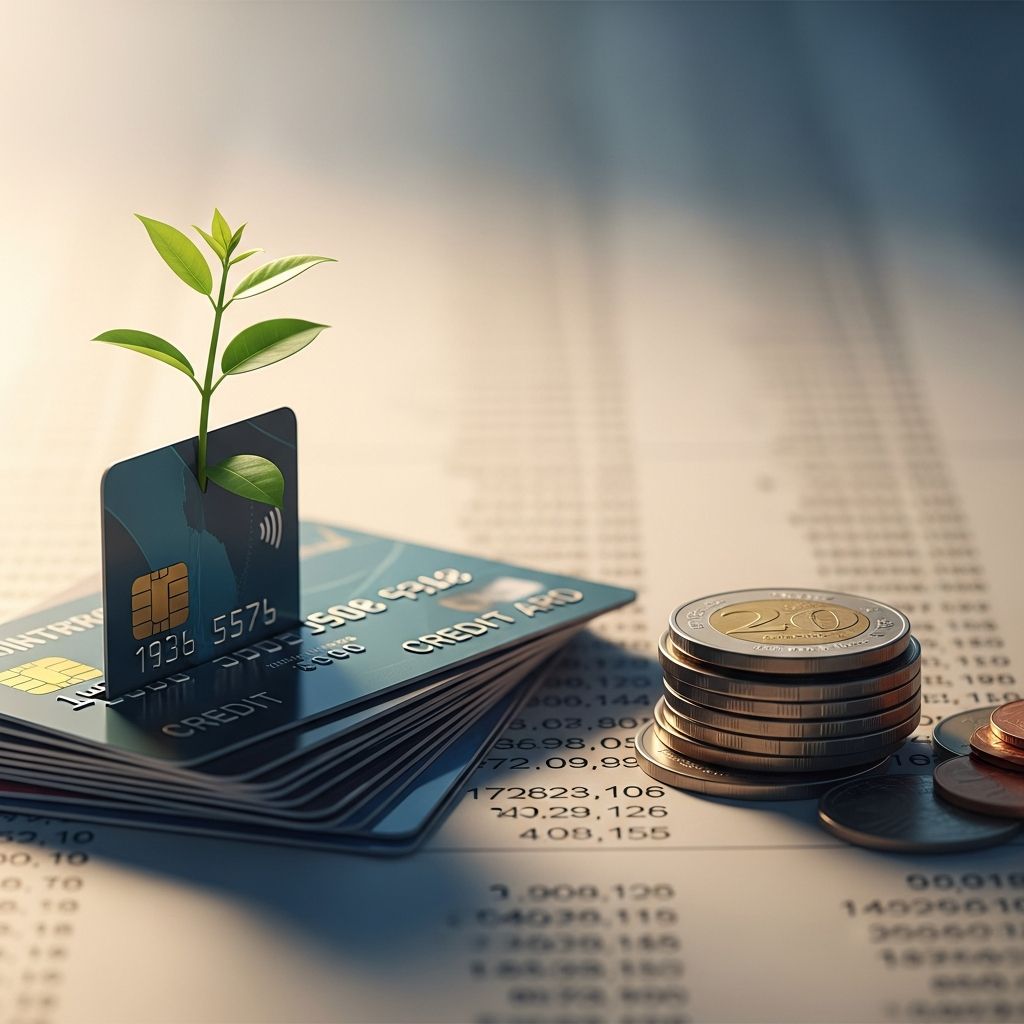
High-interest credit card balances can feel overwhelming, especially when income barely covers essentials. With disciplined approaches like adjusted budgeting and focused repayment tactics, individuals can make steady progress toward debt elimination without drastic lifestyle overhauls.
Understanding Your Current Financial Landscape
Begin by compiling a complete overview of your finances to identify opportunities for debt reduction. Gather recent statements from all credit cards, bank accounts, and income sources to reveal exactly where money flows each month.
- Record total monthly income from primary jobs, side gigs, or benefits.
- List fixed expenses like rent, utilities, and insurance.
- Track variable costs such as groceries, fuel, and discretionary purchases.
- Note minimum debt payments and interest rates for each card.
Subtract expenses from income to determine disposable funds. If the result is negative, prioritize cuts in non-essentials. This snapshot often uncovers hidden leaks, like recurring subscriptions, freeing up cash for debt.
Building a Debt-Focused Budget Framework
A structured budget transforms vague intentions into actionable plans. Adapt popular models to prioritize debt over other goals temporarily.
| Budget Type | Allocation Breakdown | Best For |
|---|---|---|
| 50/30/20 Rule | 50% needs, 30% wants, 20% debt/savings | Balanced beginners |
| Adjusted 50/20/30 | 50% needs, 20% wants, 30% debt | High debt urgency |
| Zero-Based | Every dollar assigned to a category | Precise control seekers |
In the 50/30/20 rule, essentials claim half your income, leaving 20% for aggressive debt attacks. Shift to 50/20/30 by trimming wants if balances accrue high interest. Zero-based budgeting ensures no funds idle; assign every cent until the total hits zero, revisiting monthly for adjustments.
Implementing the Envelope Cash System
For those prone to overspending, the envelope method enforces discipline through physical limits. Divide cash into category envelopes at month-start.
- Define categories: groceries, gas, entertainment.
- Assign budgeted amounts based on tracking data.
- Spend solely from envelopes; empty means stop until reset.
This tactile approach curbs impulse buys, redirecting savings to credit cards. Digital apps mimic it via virtual envelopes for convenience.
Strategies to Slash Everyday Expenses
Small daily choices yield big savings. Target these areas for immediate impact:
- Subscriptions: Audit and cancel unused streaming or gym memberships.
- Meals: Prepare lunches at home; savings compound quickly.
- Energy: Unplug devices, adjust thermostats to lower bills.
- Entertainment: Opt for library books, free parks over paid outings.
- Shopping: Use cash-only for non-essentials to avoid credit temptation.
Switching to debit or cash halts new debt accrual, fostering spending awareness.
Proven Repayment Methods for Quick Wins
Choose between momentum-building or math-optimizing tactics based on motivation needs.
Snowball Technique: Build Momentum
Order debts smallest to largest balance, ignoring rates. Pay minimums on all but attack the tiniest aggressively. Roll payments forward upon payoff for snowball effect. Psychological victories sustain effort.
Avalanche Technique: Save on Interest
Prioritize highest-interest debts first while minimum-paying others. This minimizes total costs over time. Ideal for analytical minds focused on efficiency.
| Method | Priority Order | Pros | Cons |
|---|---|---|---|
| Snowball | Smallest balance | Quick wins, motivation | Potentially higher interest |
| Avalanche | Highest interest | Cost savings | Slower visible progress |
Negotiating Better Card Terms
Contact issuers to request lower rates, citing payment history. Long-term customers often succeed, directing more payments to principal. Explore balance transfers to 0% promo cards if credit qualifies, but watch fees.
Boosting Income for Faster Progress
Enhance repayment by increasing inflows. Sell unused items, freelance skills, or seek overtime. Even $100 extra monthly accelerates payoff significantly.
Maintaining Long-Term Financial Health
Post-debt, rebuild with emergency funds covering 3-6 months’ expenses. Resume 50/30/20 fully, using credit sparingly for rewards, paying balances monthly.
Common Challenges and Solutions
- Unexpected Costs: Build buffer via small weekly savings transfers.
- Lack of Motivation: Track progress visually; celebrate milestones sans spending.
- Multiple Cards: Automate minimums to avoid fees.
Frequently Asked Questions
What’s the fastest way to pay off cards on low income?
Combine avalanche method, expense audits, and side income for optimal speed.
Should I close paid-off accounts?
No; keep open to boost credit utilization, but avoid use.
Can consolidation help tight budgets?
Yes, if it lowers rates without fees; compare options carefully.
How much over minimum to pay?
Any extra helps; aim for 20% of income dedicated.
What if I miss a payment?
Pay ASAP to minimize fees; one lapse rarely tanks scores long-term.
References
- Budgeting Techniques for Managing High Credit Card Debt — Texas Bay Credit Union. 2023. https://www.texasbaycu.org/articles/budgeting-for-managing-credit-card-debt
- How to Pay Off Credit Card Debt: Fast & Long-Term Strategies — UMCU. 2024. https://www.umcu.org/learn/resources/blogs/how-to-pay-off-credit-card-debt
- 7 Common Debt Reduction Strategies: What to Know — Western & Southern Financial Group. 2025-01-15. https://www.westernsouthern.com/personal-finance/debt-reduction-strategies
- Financial Guide for Paying Off Debt — Military OneSource (U.S. Department of Defense). 2024-06-01. https://www.militaryonesource.mil/resources/millife-guides/paying-off-debt/
- 5 Debt Repayment Strategies That Could Change Your Life — Navy Federal Credit Union. 2025. https://www.navyfederal.org/makingcents/credit-debt/debt-repayment-strategies.html
Similar Articles








Read full bio of Sneha Tete