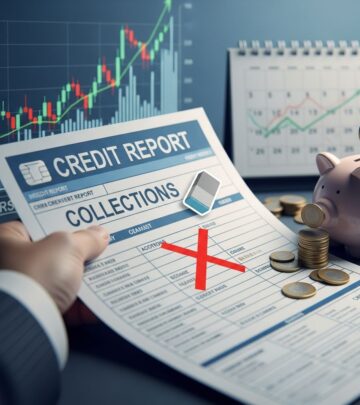
Clearing Collection Debts: Practical Guide To Resolving Accounts
Master proven techniques to settle collection accounts, rebuild credit, and regain financial control in 2026.

Debt in collections represents a critical stage where unpaid balances have been transferred to specialized agencies for recovery. Addressing these accounts promptly can prevent long-term damage to your financial health and open doors to better opportunities. This guide outlines practical, actionable steps to resolve collection debts, drawing on established financial practices and consumer protections.
Understanding the Collections Landscape
Collections occur when creditors deem an account uncollectible internally and hand it over to third parties. This shift often happens after 90-180 days of delinquency, depending on the creditor’s policies. At this point, the debt may still be owned by the original lender or sold outright to a collection agency.
Key distinctions include first-party collections, where the creditor’s own team manages recovery, and third-party efforts, involving external firms. Modern approaches emphasize technology like AI-driven outreach and omnichannel contact to improve resolution rates while complying with regulations such as the Fair Debt Collection Practices Act (FDCPA).
Verify and Validate Your Debt
The first priority upon receiving a collection notice is verification. Federal law mandates that collectors provide written validation within five days of initial contact, detailing the amount owed, creditor name, and your rights to dispute.
Request this information in writing if not provided. Review your credit reports from Equifax, Experian, and TransUnion for accuracy—dispute errors promptly. Validation protects against invalid claims, such as zombie debts or incorrect amounts.
- Send a debt validation letter via certified mail within 30 days of first contact.
- Check statutes of limitations: Debts expire for legal enforcement after 3-10 years, varying by state.
- Document everything: Keep records of all communications to build a defense if needed.
Assess Your Financial Position
Before negotiating, catalog all debts, income, and expenses. Use free tools from credit bureaus or budgeting apps to create a snapshot.
Prioritize collections impacting your credit most severely—those reported within the last seven years. Calculate your debt-to-income ratio to gauge affordability.
| Debt Details | Balance | Interest Rate | Minimum Payment |
|---|---|---|---|
| Credit Card Collection | $2,500 | N/A | $100 |
| Medical Bill Collection | $1,200 | 0% | $50 |
| Personal Loan Collection | $4,000 | 15% | $200 |
This table example helps visualize priorities. Focus extra funds on high-impact or high-interest items first.
Strategic Repayment Approaches
Tailor your method to your situation. For motivation, try the debt snowball: eliminate smallest balances first for quick wins. For savings, use debt avalanche: target highest-interest debts.
Debt Snowball Technique
List debts smallest to largest. Pay minimums on all, then apply surplus to the tiniest. Roll payments forward upon payoff. Psychological momentum drives adherence.
Debt Avalanche Technique
Order by interest rate descending. Extra payments reduce costliest debt fastest, minimizing total interest.
Negotiation Fundamentals
Collections thrive on settlements. Agencies often purchase debts at 5-10 cents on the dollar, enabling discounts of 40-60%.
Approach calmly: Express willingness to pay, cite hardships, and propose realistic terms. Get agreements in writing before paying.
- Offer lump-sum settlements for deepest discounts.
- Request payment plans: e.g., 30% down, balance over 90-120 days.
- Negotiate removal from credit reports via “pay for delete” (not guaranteed).
Consolidation and Relief Options
For multiple collections, consolidation streamlines into one payment. Balance transfer cards (0% intro APR) or personal loans suit credit-eligible individuals.
Debt management plans (DMPs) via nonprofits lower rates and consolidate without loans. Expect 3-5 year timelines with modest fees.
Avoid for-profit settlement firms unless vetted; they charge 15-25% of enrolled debt.
Leveraging Technology for Payments
2026 collections feature secure portals for self-service. Opt for digital channels: text, email, apps reduce friction. Use autopay for plans to avoid lapses.
Post-Payment Credit Recovery
Paid collections linger on reports up to seven years but update to “paid.” Dispute inaccuracies. Rebuild via secured cards, on-time payments elsewhere.
Good behavior outweighs past marks over time.
Prevention: Building Resilient Habits
Avoid future collections with proactive measures:
- Track spending monthly.
- Build 3-6 months’ emergency savings.
- Communicate early with creditors on hardships.
Frequently Asked Questions (FAQs)
Can I pay a collection without admitting liability?
Yes, condition payments on written “paid in full” confirmation.
Does paying remove it from my credit report?
No, but it marks as settled, improving scores.
What if I can’t afford full payment?
Propose plans; agencies prefer recovery over zero.
Are collection calls harassable?
FDCPA limits to 7 attempts/week per debt.
Can bankruptcy erase collections?
Chapter 7 discharges most; consult professionals.
Final Thoughts on Financial Renewal
Resolving collections demands strategy, patience, and knowledge of rights. Consistent action leads to stability. Seek free counseling from NFCC.org affiliates if overwhelmed.
References
- Top 5 Strategies to Maximize Your Debt Collection Recovery Efforts — Goal Solutions. 2023. https://goalsolutions.com/top-5-strategies-to-maximize-your-debt-collection-recovery-efforts/
- How to Pay Off Debt: Top Strategies for 2026 — NerdWallet. 2026. https://www.nerdwallet.com/personal-loans/learn/pay-off-debt
- How Do Debt Collections Work? Your Complete Guide for 2026 — First Credit Online. 2026. https://www.firstcreditonline.com/blog/how-do-collections-work/
- 7 Steps to Get Out of Debt in 2026 — Experian. 2026. https://www.experian.com/blogs/ask-experian/steps-to-get-out-of-debt/
- Debt Collection Strategies: Solve the 6 Toughest Challenges — FICO. 2023. https://www.fico.com/blogs/debt-collection-strategies-solve-6-toughest-challenges
Similar Articles








Read full bio of Sneha Tete