Clearing Bank Account Holds: Complete Guide & Quick Fixes
Discover effective strategies to release funds held by your bank and prevent future restrictions on your account access.

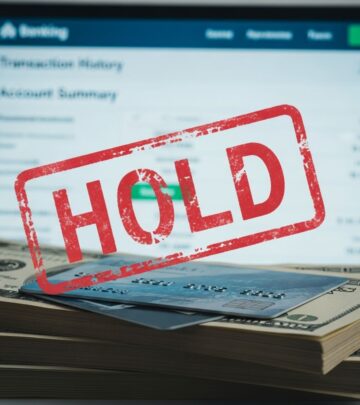
Bank account holds temporarily restrict access to your funds, often due to deposit verification or security measures. These restrictions protect both you and the bank from fraud but can cause inconvenience if unexpected. This guide explains the reasons behind holds, actionable steps to resolve them, regulatory frameworks, and proactive strategies to minimize future occurrences.
Understanding Why Banks Place Holds on Accounts
Banks implement holds primarily to mitigate risks associated with unverified transactions. For instance, when depositing a check, institutions verify if the issuing account has sufficient funds before releasing the money to you. This process prevents losses from bounced checks, where the deposited amount is later reversed, potentially incurring non-sufficient funds fees around $35.
Common triggers include deposits exceeding $5,000, checks older than six months, or those from unfamiliar out-of-state banks. New accounts under 30 days old or those with overdraft histories face extended scrutiny. Mobile or ATM deposits often trigger longer holds due to image quality reviews and fraud detection protocols.
- Large deposits prompting extended verification periods.
- Suspicious activity flags from irregular deposit patterns.
- Merchant pre-authorization holds from debit card swipes at gas stations or hotels.
- Legal holds from court orders or debt collection.
Federal Regulation CC governs these practices, mandating specific availability timelines to balance consumer access with bank protections.
Federal Rules Shaping Deposit Hold Timelines
Under Regulation CC, banks must make at least $225 of a deposit available the next business day, with the remainder typically accessible on the second business day for local checks. Exceptions apply for larger amounts or high-risk deposits, where holds can extend up to seven business days for new accounts or nine for doubtful collectibility.
| Deposit Type | Standard Availability | Exceptions |
|---|---|---|
| Local Checks ≤ $225 | Next business day | New accounts: Up to 9 days |
| Large Deposits > $5,525 | $225 next day; rest second day | Extended for verification |
| Direct Deposits | Same or next business day | Rare holds |
| Mobile/ATM Deposits | 1-5 business days | Fraud review delays |
Banks post funds availability policies on deposit slips and account opening documents, ensuring transparency. Government checks, cashier’s checks, and certified checks often clear same-day, reducing hold risks.
Step-by-Step Process to Release a Hold
Resolving a hold starts with prompt action. You cannot self-remove holds, as banks control verification, but proactive engagement accelerates the process.
- Review Account Notifications: Check statements, apps, or emails for hold details, including duration and reason.
- Gather Documentation: Collect deposit receipts, check images, or transaction proofs.
- Contact Your Bank: Call customer service with account details ready. Ask for the hold’s status, expected release, and any acceleration options.
- Provide Supporting Evidence: Submit clearer check photos or issuer confirmations if requested.
- Escalate if Needed: Visit a branch for in-person resolution, especially for errors or merchant holds.
For debit card pre-authorizations, confirm the transaction with the merchant or bank to lift the temporary reserve. Legal holds require addressing the underlying issue, such as settling debts.
Patience as a Strategy: When to Wait It Out
Many holds expire naturally within days, aligning with verification cycles. Business days exclude weekends and holidays, so a Friday deposit might hold until mid-week. Track progress via online banking to avoid unnecessary inquiries.
Waiting suits non-urgent needs, preserving bank relationships. However, if funds are critical, combine with communication for potential early release.
Types of Holds and Tailored Resolutions
Not all holds are identical; responses vary by cause.
- Deposit Holds: Verify check validity; provide issuer contact info.
- Fraud/Security Holds: Submit ID proofs; explain transaction legitimacy.
- Merchant Holds: Contact vendor to adjust authorization amount.
- Legal Holds: Consult legal aid; resolve court matters.
New accounts face stricter rules, but consistent positive activity shortens future holds.
Proactive Measures to Avoid Account Holds
Prevention outperforms reaction. Adopt these habits for smoother banking.
- Opt for Direct Deposits: Payroll or benefits arrive same/next day, bypassing check risks.
- Request Certified Checks: For large payments, these clear faster.
- Deposit In-Person: Teller deposits outperform ATMs or apps in speed.
- Build Account History: Maintain positive balance over 30 days.
- Inquire Merchant Policies: Use PIN for debit to avoid pre-auth holds.
Review your bank’s policy online or at opening to anticipate timelines.
Common Myths About Bank Holds Debunked
Misconceptions delay resolutions.
- Myth: Switching Banks Helps. All institutions follow Regulation CC; issues persist.
- Myth: Holds Are Always Fraud-Related. Most stem from routine verifications.
- Myth: Immediate Access Is Guaranteed. Regulations permit holds for safety.
Frequently Asked Questions
How long can a bank legally hold my deposit?
Typically 2 business days for most checks, up to 7-9 for exceptions per Regulation CC.
Can I access any funds during a hold?
Yes, at least $225 next day; direct deposits remain available promptly.
What if the hold seems erroneous?
Contact the bank with evidence; branch visits often yield quicker fixes.
Do online banks have different hold policies?
They adhere to the same federal rules but may emphasize digital verifications.
How to handle holds on joint accounts?
Any authorized user can inquire; coordinate documentation.
Long-Term Banking Habits for Reliability
Beyond immediate fixes, foster habits like monitoring balances, diversifying deposits, and understanding terms. Tools like alerts notify of holds instantly. For businesses, electronic payments streamline operations, minimizing disruptions.
In summary, while holds safeguard the system, knowledge empowers quick navigation. Stay informed, communicate effectively, and prioritize low-risk deposit methods for seamless access.
References
- Expedited Funds Availability Act (Regulation CC) — Federal Reserve Board. 2024-01-01. https://www.federalreserve.gov/regulations/default.htm
- Bank Deposit Holds FAQs — Bank of America. 2025-10-15. https://www.bankofamerica.com/deposits/deposit-holds-faqs/
- How to Remove a Hold on a Bank Account — SoFi. 2025-08-20. https://www.sofi.com/learn/content/remove-balance-hold-from-bank-account/
- Consumer Financial Protection: Deposit Holds — Consumer Financial Protection Bureau. 2024-05-12. https://www.consumerfinance.gov/ask-cfpb/what-is-a-deposit-hold-en-999/
- Federal Reserve Regulation CC Overview — Federal Reserve. 2023-12-01. https://www.federalreserve.gov/supervisionreg/regcc.htm
Similar Articles








Read full bio of Sneha Tete