Clear to Close: Final Steps to Homeownership
Navigate the critical final phase of buying a home, from loan approval to signing at closing, ensuring a smooth transition to ownership.
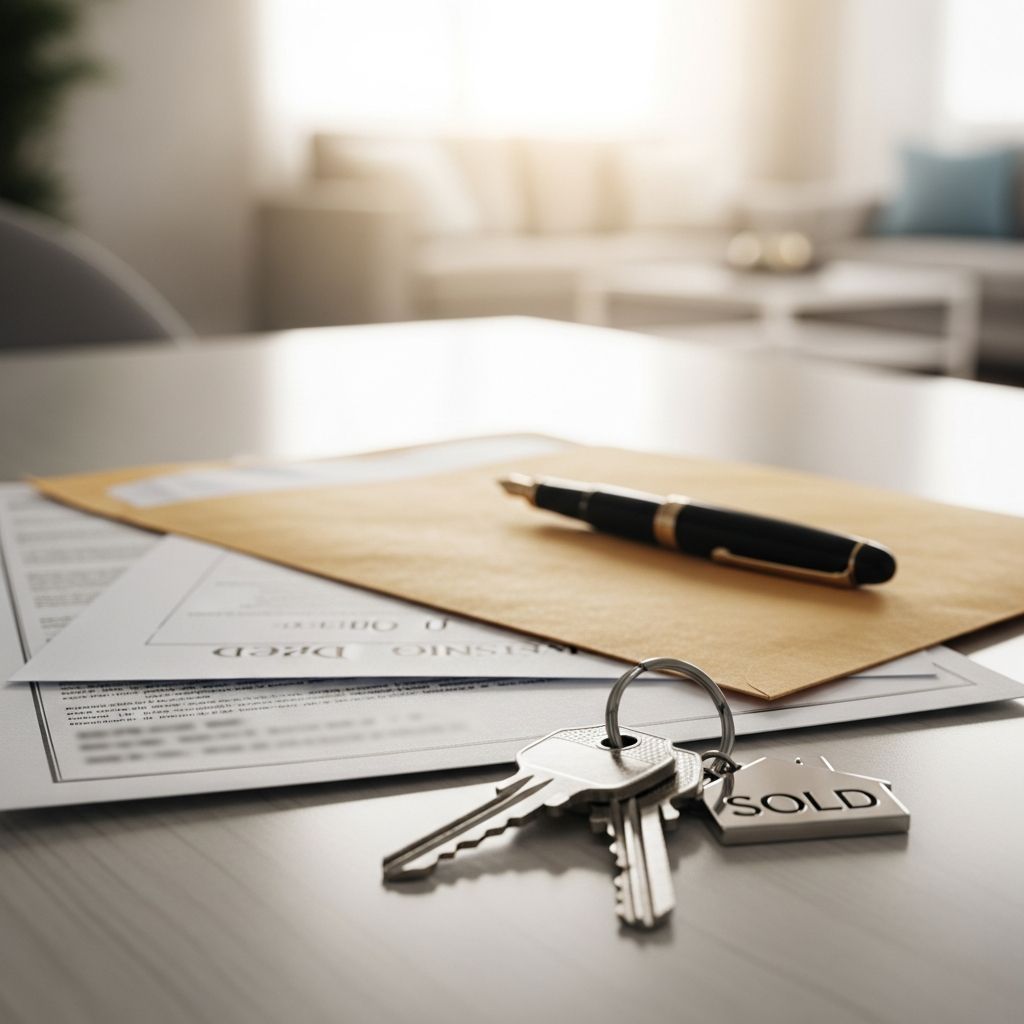
The “clear to close” status marks the exciting culmination of the homebuying journey, signaling that your mortgage lender has fully approved your loan and the transaction can proceed to closing. This phase typically follows an accepted offer and involves rigorous verification processes to protect both buyer and lender. Achieving clear to close means all conditions are met, from financial reviews to property assessments, paving the way for you to receive the keys.
Understanding the Path to Clear to Close
After your offer on a home is accepted, the real work intensifies. You enter the mortgage underwriting phase, where lenders scrutinize your finances and the property. This period, often lasting 30-45 days, ensures no surprises emerge before closing. Key milestones include document submission, property evaluations, and final loan confirmation.
Buyers must remain responsive, providing updated pay stubs, bank statements, or tax returns promptly. Delays here can push back your timeline, so organization is crucial. Pre-approval early in the process helps streamline this, as much groundwork is already done.
Key Components of the Underwriting Review
Underwriting is the lender’s deep dive into your creditworthiness. Underwriters verify employment stability, income consistency, debt levels, and credit history. They also assess the home’s value and legal status to confirm the loan amount aligns with the property’s worth.
- Employment Verification: Lenders contact employers to confirm job details and salary.
- Asset Review: Bank accounts and investments are checked for down payment funds.
- Debt-to-Income Ratio: Ensures monthly obligations don’t exceed affordable limits, typically under 43%.
If issues arise, such as a sudden job change or large unexplained deposits, underwriters may request explanations or additional proof. Addressing these swiftly keeps momentum.
The Critical Role of Home Appraisal
Your lender orders an appraisal to determine the property’s market value independently. An appraiser, often a licensed professional, inspects the home, comparing it to recent sales of similar properties (comps). This protects the lender from over-lending.
Appraisals cost $300-$500, paid by the buyer upfront. Results come in 7-10 days. If the value matches or exceeds the purchase price, you proceed. A low appraisal triggers options:
| Scenario | Buyer Actions |
|---|---|
| Appraisal equals sale price | Proceed to closing unchanged. |
| Appraisal higher than sale price | Equity boost; negotiate better terms if possible. |
| Appraisal lower than sale price | Renegotiate price, challenge appraisal, cover difference in cash, or walk away. |
Low appraisals occur in 8-10% of cases, often due to market shifts or property condition.
Title Search and Insurance Essentials
A title search uncovers any liens, easements, or ownership disputes on the property. Title companies review public records back decades to ensure clear ownership transfer to you.
Issues like unpaid taxes or contractor liens must resolve before clear to close. Title insurance protects against future claims, with owner’s policy covering you and lender’s policy safeguarding the loan. Costs range 0.5-1% of the home price.
Finalizing with the Closing Disclosure
Three days before closing, you receive the Closing Disclosure, detailing all costs, loan terms, and cash needed. Compare it to your initial Loan Estimate; discrepancies over $100 require explanation.
This document lists:
- Loan amount and interest rate.
- Down payment and closing costs (2-5% of loan).
- Prepaid items like taxes and insurance.
- Cash to close figure.
Review meticulously; errors can be corrected pre-closing.
Preparing for Closing Day
Closing day, often at a title company or attorney’s office, lasts 1-2 hours. Bring ID, proof of insurance, cashier’s check for closing costs, and Closing Disclosure copy.
Sign key documents:
- Settlement Statement: Final tally of fees.
- Mortgage Note: Promise to repay the loan.
- Deed of Trust/Mortgage: Liens the property as collateral.
- Ownership Transfer Deed: Makes you the legal owner.
Funds wire or check; once recorded, keys are yours.
Common Hurdles and How to Overcome Them
Even near clear to close, pitfalls lurk:
- Credit Changes: Avoid new debt or inquiries.
- Job Shifts: Notify lender immediately.
- Property Fixes: Negotiate repairs post-inspection.
- Funding Shortfalls: Secure gifts with letters.
Proactive communication prevents most issues.
Timeline Expectations from Offer to Keys
The full process from accepted offer to clear to close spans 30-60 days, varying by market and loan type.
| Stage | Typical Duration |
|---|---|
| Underwriting & Docs | 2-3 weeks |
| Appraisal & Title | 1-2 weeks |
| Inspection & Negotiations | 1 week |
| Final Review to Closing | 3-7 days |
FHA/VA loans may extend due to extra requirements.
Costs Beyond the Purchase Price
Budget 2-6% of home price for closing costs: appraisal, title fees, origination, taxes, insurance. Shop lenders to minimize.
First-time buyers may qualify for credits via programs.
Post-Closing: What Happens Next
After signing, the deed records publicly (1-2 weeks). You’ll receive it soon after. Start payments per note; escrow handles taxes/insurance.
Change locks, update utilities, and enjoy your home!
Frequently Asked Questions
What does ‘clear to close’ exactly mean?
It means underwriting approved the loan without conditions, ready for closing.
How long after clear to close is closing?
Typically 3-7 days, allowing time for final docs.
Can clear to close be reversed?
Yes, if new issues like credit pulls arise; stay cautious.
Who attends closing?
Buyer, seller, agents, lender rep, title officer.
What if appraisal is low?
Renegotiate, pay difference, or exit contract.
References
- First-Time Buyers: How Long Does It Take to Buy a House? — Marine Credit Union. 2024. https://www.marinecu.com/learning-hub/home-buying-process-timeline/
- How to buy a house: Your step-by-step guide to buying in 2025 — Rocket Mortgage. 2025. https://www.rocketmortgage.com/learn/how-to-buy-a-house
- How to Buy a House: 15 Steps in the Homebuying Process — NerdWallet. 2025. https://www.nerdwallet.com/mortgages/learn/home-buying-checklist-steps-to-buying-house
- How to Buy a House in 2025: A 12-Step Guide to Homebuying — Homes.com. 2025. https://www.homes.com/learn/how-to-buy-a-house/
- The Homebuying Process for First-Time Homebuyers — Achieve Financial Credit Union. 2024. https://www.achievefinancialcu.com/Services/Financial-Education-Center/Financial-Articles/The-Homebuying-Process-for-First-Time-Homebuyers
- Things to Consider When Buying a Home: A Step-by-Step Guide — Travelers Insurance. 2025. https://www.travelers.com/resources/home/buying-selling/how-to-buy-a-home
- Buying A House In 2025: A Step-By-Step Guide — Bankrate. 2025. https://www.bankrate.com/real-estate/how-to-buy-a-house/
Similar Articles








Read full bio of Sneha Tete