Civil Judgments and Credit Reports: What Changed
Understand how policy changes removed judgments from credit reports and what still impacts your finances.
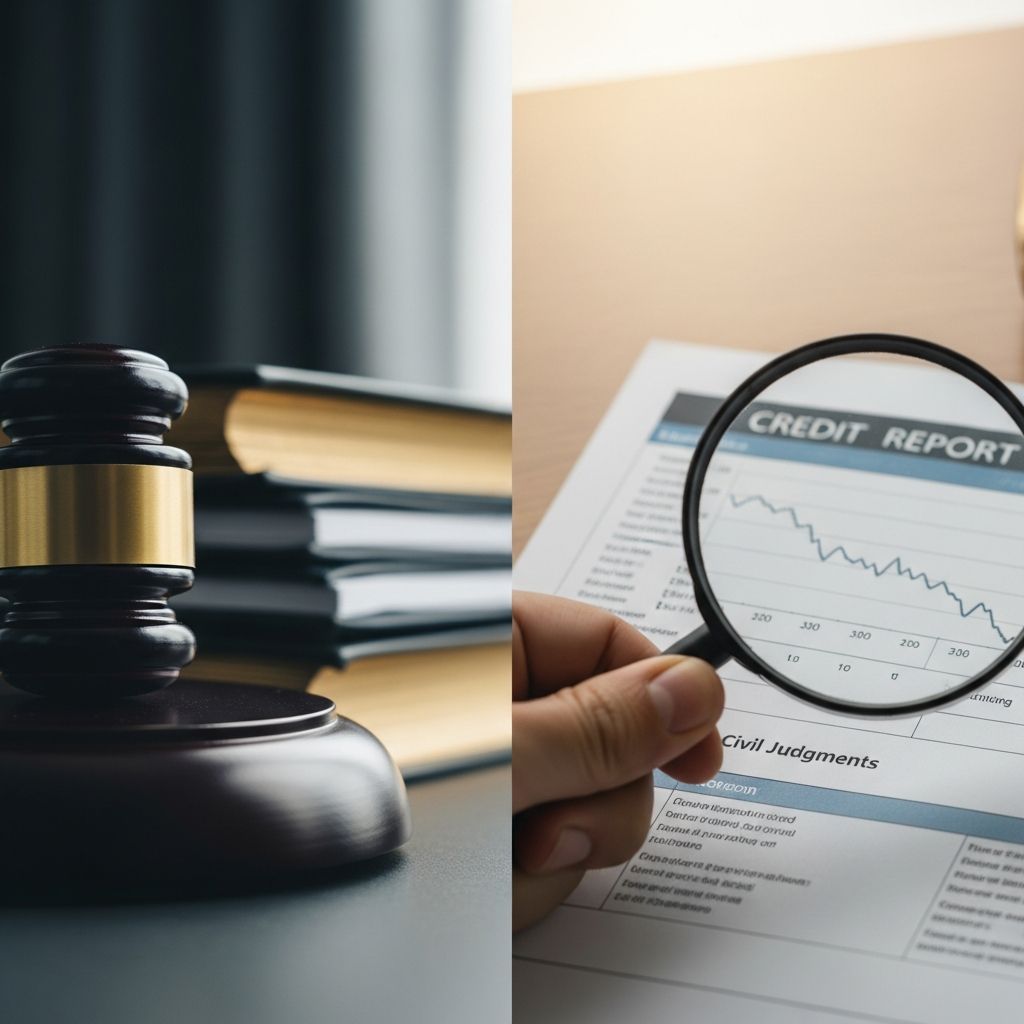
For decades, civil judgments posed a significant threat to consumers’ financial lives, lingering on credit reports for up to a decade and substantially reducing credit scores. However, a major shift occurred in 2017 when the three largest credit bureaus—Equifax, Experian, and TransUnion—fundamentally altered how they handle judgment data. Today, civil judgments are no longer reported on credit files, marking a substantial change in consumer credit protection. Yet this development doesn’t mean judgments have disappeared entirely or lost their ability to harm your financial prospects.
The 2017 Watershed Moment: When Judgments Left Credit Reports
The removal of civil judgments from credit reports resulted from the National Consumer Assistance Plan (NCAP), an agreement between the credit bureaus and regulators addressing concerns about data accuracy and completeness in credit reporting. Prior to this change, civil judgments could remain visible on credit reports for up to ten years, creating a prolonged negative impact on borrowers’ financial profiles. The decision to stop including judgment data represented a recognition that many court records lacked the complete identifying information necessary to ensure accuracy in credit reporting.
Under the NCAP framework, the credit bureaus established new guidelines requiring complete identifying information before reporting any judgment data. This includes the consumer’s full name, address, Social Security number, and date of birth. Since most court records do not contain all these identifiers, the practical effect was the removal of virtually all existing civil judgment records and the cessation of reporting new judgments that didn’t meet these stringent requirements.
How Judgments Affect Your Financial Life Today
Understanding the current landscape requires distinguishing between credit reporting and legal enforceability. While civil judgments no longer appear on credit reports and therefore do not directly influence credit score calculations, they retain considerable power to disrupt your finances. The shift in credit reporting policy does not eliminate the judgment itself or its legal consequences.
Credit Score Impact: No Direct Effect
Since judgments disappeared from credit reports in 2017, they no longer factor into the algorithms that calculate credit scores. This represents a significant relief for consumers with judgments on record, as these were previously among the most damaging negative items available to credit bureaus. A single judgment could historically reduce a credit score by fifty points or more, depending on the scoring range and other credit file factors.
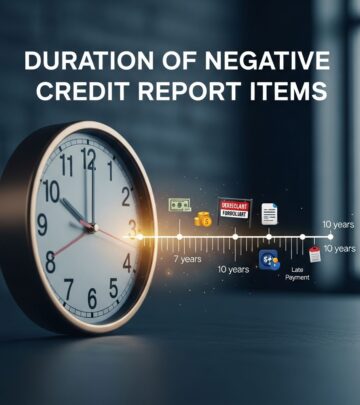
However, this does not mean your credit remains unaffected by the underlying circumstances. If a judgment resulted from unpaid debts, the payment history associated with those unpaid accounts may still appear on your credit report for up to seven years. Late payments, missed payments, and collection accounts connected to the judgment can continue to damage your credit profile independently.
Lending Decisions and Public Records Searches
Lenders have access to resources beyond standard credit reports. Many financial institutions conduct searches of public court records as part of their application review process. When a lender discovers an outstanding judgment against a borrower through these searches, it can negatively influence lending decisions regardless of credit score impact. The judgment’s presence in the public record system signals financial instability and potential legal entanglement that lenders find concerning.
This distinction is crucial: your credit score may appear healthy, but an unresolved judgment discovered through alternative means can result in loan denial or unfavorable terms. Mortgage lenders, auto creditors, and credit card issuers frequently employ these supplementary checks, particularly for larger loan amounts.
When Judgments Still Appear on Credit Reports: Reporting Errors
Despite the 2017 regulatory changes, some consumers continue reporting judgments on their credit files. These erroneous listings typically stem from outdated reporting systems or failures by data furnishers to comply with the new standards. Credit bureaus, while bound by the NCAP agreement, occasionally maintain inaccurate records due to system lag or procedural breakdowns.
If you discover a judgment appearing on your credit report, you should treat this as a reporting error and dispute it immediately. Under the Fair Credit Reporting Act (FCRA), you have the right to challenge inaccurate information. Credit bureaus are legally required to investigate your dispute and respond within thirty days, correcting or removing inaccurate items.
Strategies for Addressing Outstanding Judgments
While judgments no longer damage credit scores directly, they remain active legal liabilities that can result in wage garnishment, bank account levies, and property liens. Taking action to resolve or satisfy a judgment protects your financial stability beyond credit score considerations.
Full Payment and Satisfaction Documents
The most straightforward resolution involves paying the judgment in full. Once you remit payment, the judgment creditor must provide a satisfaction of judgment or acknowledgment of payment, which should be filed with the court that entered the judgment. This court filing updates the public record to reflect the judgment as satisfied rather than outstanding. While this doesn’t remove the judgment from public records entirely, the satisfied status significantly reduces its impact on lending decisions.
Disputing Inaccurate Judgments
If a judgment on your credit report or in public records is incorrect—wrong amount, incorrect party, already satisfied but reporting as unpaid—you can dispute it with credit bureaus and seek correction. Provide documentation supporting your claim, such as satisfaction documents, proof of vacated judgments, or evidence you were not the subject of the lawsuit. The bureau must investigate and respond within thirty days.
Court-Ordered Removal Through Vacating or Expungement
Some states permit judgment vacating or expungement under specific circumstances. Vacating a judgment requires proving improper service or other legal errors to the court that issued the original judgment. Expungement, available in certain jurisdictions, removes the judgment from public court records entirely under conditions such as satisfaction years prior and demonstrated rehabilitation. Consult an attorney to determine eligibility and pursue these options if available in your state.
Bankruptcy as a Last Resort
If the judgment amount exceeds your ability to pay, bankruptcy may offer a solution. Chapter 7 bankruptcy typically discharges judgment debts entirely, eliminating your payment obligation. Chapter 11, Chapter 12, or Chapter 13 bankruptcy allows repayment through structured plans. While bankruptcy creates its own credit report consequences, it can provide genuine financial relief when judgments are unmanageable.
Monitoring Your Credit After Judgment Resolution
After paying, settling, or vacating a judgment, creditors do not always update status promptly. Monitor your credit reports sixty to ninety days after payment to verify the information appears correctly and reflects satisfaction. Check with all three major credit bureaus, as updates may not occur simultaneously across all reporting agencies.
If your dispute regarding a vacated judgment is not resolved by the credit bureau, you can escalate your complaint to the Consumer Financial Protection Bureau (CFPB), which investigates credit reporting violations.
Understanding the Practical Reality of Judgment Removal
The 2017 changes created an important but incomplete shield for consumers. Judgments no longer appear on credit reports, protecting credit scores from direct damage. However, judgments remain enforceable in the legal system and searchable in public records indefinitely unless vacated or expunged. This means:
- Lenders can discover judgments through public record searches outside the credit reporting system
- Judgment creditors retain the right to garnish wages and levy bank accounts
- Underlying debts associated with judgments may still appear on credit reports through collection accounts
- The judgment’s public record status persists regardless of credit report removal
Frequently Asked Questions
Do civil judgments affect credit scores today?
No. Since 2017, civil judgments do not appear on credit reports and therefore do not factor into credit score calculations. However, judgments can still influence lending decisions when discovered through public record searches.
Will paying a judgment remove it from my record?
Paying a judgment updates its status to “satisfied” in the public record system, which reduces its impact on lending decisions. However, payment alone does not erase the judgment from public records permanently. You would need to pursue expungement or vacating through the court system to achieve complete removal from the public record.
Why does a judgment still appear on my credit report?
Some judgments appear on credit reports due to reporting errors or outdated systems that haven’t complied with 2017 regulatory changes. If you see a judgment on your credit report, dispute it immediately as an inaccurate item.
Can I remove a judgment from public records?
Judgment removal from public records requires either vacating (proving the original judgment was improper) or expungement (available in some states under specific conditions). An attorney can help determine your eligibility and pursue these options.
What’s the difference between credit report removal and public record removal?
Judgments were removed from credit reports in 2017, but they remain searchable in public court records. Lenders can still access judgments through public record searches even though they don’t appear on credit reports.
Moving Forward: Practical Next Steps
If you have an outstanding judgment, prioritize resolution strategies based on your financial circumstances. Contact the judgment creditor to negotiate payment, explore settlement options, or discuss satisfaction arrangements. Simultaneously, review your credit reports to ensure no erroneous judgment listings remain and dispute any inaccurate items found.
For unmanageable judgments, consult a debt relief attorney or bankruptcy specialist to explore all available options. The 2017 regulatory changes provided meaningful protection to credit scores, but active management of judgment status remains essential for protecting your broader financial interests and lending opportunities.
References
- What Is a Judgment & Does It Affect Your Business Credit Score? — Nav. Accessed March 2026. https://www.nav.com/blog/do-judgments-impact-my-business-credit-score-33104/
- Can You Remove a Judgment on Your Credit Report? — Weston Legal. Accessed March 2026. https://www.westonlegal.com/can-you-remove-a-judgment-on-your-credit-report/
- How to Get a Vacated Judgment Off Your Credit Report — Carolina Law. October 2016. https://www.carolinalaw.com/2016/10/get-vacated-judgment-off-credit-report/
- Judgments No Longer Appear on a Credit Report — Experian. Accessed March 2026. https://www.experian.com/blogs/ask-experian/judgments-no-longer-included-on-credit-report/
- What Is a Judgment and How Can It Affect You? — Credit.com. Accessed March 2026. https://credit.com/blog/what-is-a-judgment
- A new retrospective on the removal of public records — Consumer Finance Protection Bureau. Accessed March 2026. https://www.consumerfinance.gov/about-us/blog/new-retrospective-on-removing-public-records/
Similar Articles








Read full bio of medha deb