Chipotle Payment System Hack: How To Protect Your Money
Discover how the Chipotle payment hack unfolded, what data was at risk, and smart money-saving strategies to protect yourself from future breaches.
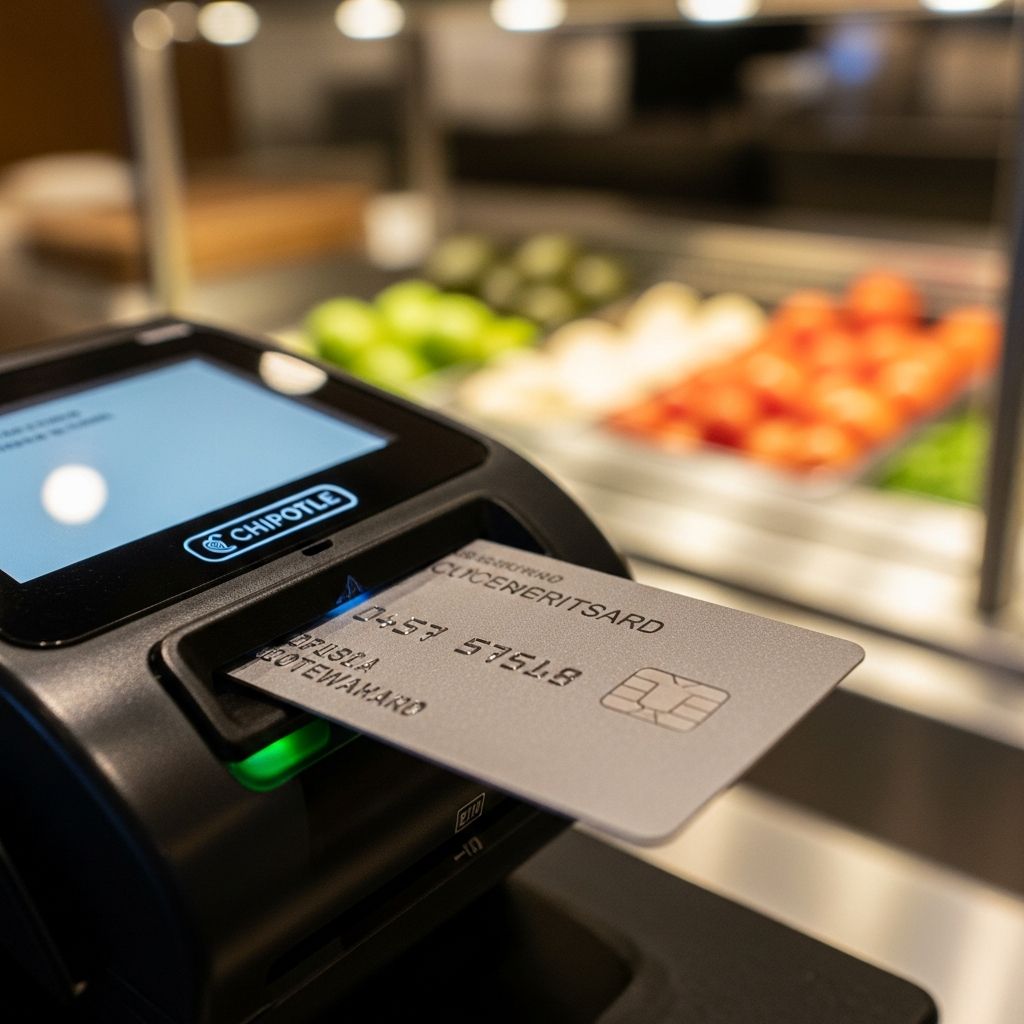
In 2017, Chipotle Mexican Grill faced a significant cybersecurity incident that exposed payment card data at numerous locations. This breach, involving sophisticated malware, highlighted vulnerabilities in point-of-sale (POS) systems and served as a wake-up call for consumers and businesses alike. While the event occurred years ago, its lessons remain relevant for protecting personal finances today, especially as cyber threats evolve. This article breaks down the hack, its impact, and actionable strategies to save money by avoiding fraud-related losses.
What Was the Chipotle Hack?
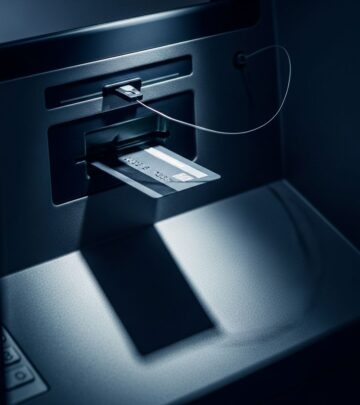
Chipotle Mexican Grill disclosed a data breach on April 25, 2017, during an earnings call, with further details released on May 26. The incident involved malware that targeted POS devices at select Chipotle and Pizzeria Locale restaurants. The malware operated between March 24 and April 18, 2017, capturing track data from the magnetic stripes of payment cards as they were swiped.
Track data typically includes the card number, expiration date, and sometimes the cardholder’s name and internal verification code. Importantly, no other personal information like Social Security numbers or addresses was compromised. Chipotle promptly removed the malware, collaborated with cybersecurity firms, and supported law enforcement investigations.
How Did Hackers Breach Chipotle’s Systems?
The breach was linked to FIN7 (also known as Carbanak), a prolific cybercrime group targeting high-volume payment processors in the restaurant industry. Evidence points to a phishing email sent on February 22, 2017, to a Chipotle location in Tulsa, Oklahoma. The email, masquerading as an overdue payment notice from ‘Slazzer LLC,’ contained a malicious RTF attachment titled ‘Payment overdue.eml’.
This phishing tactic bypassed corporate security by targeting individual restaurant emails. Once opened, the malware embedded in the file allowed hackers to infiltrate POS systems. FIN7 is known for similar attacks on chains like Baja Fresh and Ruby Tuesday, using tailored phishing to steal card data shared across corporate networks. Cybersecurity experts note FIN7’s financial motivations, focusing on transaction-heavy sectors without ties to state-sponsored espionage.
Affected Locations and Timeframes
Not all Chipotle’s 2,250+ locations were impacted; the breach varied by restaurant. Chipotle provided a detailed list on their security pages (www.chipotle.com/security and www.pizzerialocale.com/security), specifying exact dates for each site. For example, many U.S. locations, including one in Springfield, were affected during the March 24 to April 18 window.
Customers who used cards at these spots during the specified periods were potentially at risk. Chipotle estimated 70% of 2016 sales came from card transactions, underscoring the scale.
What Data Was Stolen?
- Primary Target: Magnetic stripe track data (card number, expiration, CVV, name).
- Not Affected: Chip-and-PIN data, contactless payments, or non-card info like emails or PINs.
- Risk Level: High for magnetic stripe swipes; EMV chip tech would have mitigated much of this.
The malware scraped data in real-time during transactions, a common POS attack vector.
Chipotle’s Response and Legal Fallout
Chipotle contained the breach swiftly, enhanced security with cyber firms, and notified payment networks for bank monitoring. Unlike some breaches, no free identity protection was offered due to lacking customer contact details.
Legal repercussions followed quickly. On May 4, 2017, Bellwether Community Credit Union filed a class-action lawsuit in Colorado federal court, alleging negligence under the FTC Act. Plaintiffs claimed Chipotle delayed EMV adoption to avoid slowing lines, breaching PCI standards post-2015 liability shift. The suit cited prior breaches at Target and others as foreseeability evidence. Chipotle refrained from further commentary as investigations continued with Mandiant and law enforcement.
How to Protect Yourself After a Restaurant Data Breach
Armed with hindsight from the Chipotle incident, consumers can take proactive steps to minimize risks and save money on potential fraud costs.
Use Secure Payment Methods
- Opt for
EMV chip cards
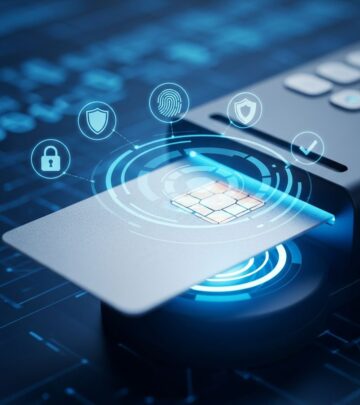
or contactless (Apple Pay, Google Pay) over swipes—malware can’t easily read chip data. - Avoid magnetic stripe swipes when possible; politely request chip insertion.
- Carry cash or debit for small meals to limit exposure.
Monitor Accounts Diligently
| Action | Frequency | Money-Saving Benefit |
|---|---|---|
| Check statements | Weekly | Catch fraud early, avoid $100+ liability caps |
| Set transaction alerts | Immediate | Free via bank apps; prevents unauthorized charges |
| Review credit reports | Monthly (free at AnnualCreditReport.com) | Spot new accounts from stolen data |
Freeze Credit and Enable Protections
Place a free credit freeze with Equifax, Experian, and TransUnion to block new accounts. Use virtual card numbers (e.g., Privacy.com) for online/dining to mask real details.
Save Money While Dining Out Securely
The hack underscores cost-saving opportunities in secure habits:
- Rewards Cards: Use no-annual-fee cards with strong fraud protection (e.g., Capital One Venture) for 1-5% cashback on meals.
- Cash-Back Apps: Ibotta or Rakuten for Chipotle rebates—earn $5-10/visit without card risks.
- Student/Military Discounts: Chipotle offers 10% off; stack with free guac days.
- Budget Hacks: Order bowls over burritos (save $1-2), skip extras, use loyalty apps for free items after 10 visits.
By choosing low-risk payments, you avoid $500+ average fraud losses (FTC data) and keep more cash for extras like chips.
Lessons for Businesses and Future-Proofing
Chipotle’s delay in EMV rollout cost dearly; PCI mandates shifted liability in 2015. Restaurants now prioritize:
- Regular POS patches and segmentation.
- Phishing training for staff.
- Tokenization to replace card data with unique IDs.
For consumers, this means demanding secure tech—ask for chip readers.
Frequently Asked Questions (FAQs)
Was my card affected by the Chipotle hack?
Check Chipotle’s security page for your location’s dates (March-April 2017). If you swiped there, monitor for fraud.
What should I do if I suspect fraud?
Report to your bank immediately (zero liability within 60 days), dispute charges, and consider a new card.
Does Chipotle still have security issues?
Post-breach upgrades include enhanced measures; no major incidents reported since.
How can I save at Chipotle without cards?
Use the app for ‘Wholesome Bowl’ freebies, group orders for deals, or Tuesdays for discounted kids’ meals.
Are virtual wallets safe at restaurants?
Yes—tokens prevent track data theft, unlike swipes.
Key Takeaways for Savvy Spenders
The Chipotle hack stole headlines but offers timeless advice: Prioritize chip/contactless payments, monitor religiously, and leverage rewards to offset dining costs. By staying vigilant, you protect your wallet from cybercriminals while enjoying burritos guilt-free. Implement these tips to save hundreds annually on fraud prevention and perks.
References
- Chipotle Mexican Grill Reports Findings from Investigation — Chipotle Investor Relations. 2017-05-26. https://ir.chipotle.com/news-releases?item=122402
- Chipotle Hack, Data Breach 2017: 5 Things to Know — MSSP Alert. 2017-05-26. https://www.msspalert.com/post/chipotle-data-breach-2017-things-to-know
- Chipotle hack just one of many businesses targeted by elite Fin7 — CyberScoop. 2017-05-26. https://cyberscoop.com/chipotle-hack-fin7-carbanak-baja-fresh-ruby-tuesday/
- Class Action Filed Against Chipotle for Data Security Breach — Consumer Financial Services Law Monitor. 2017-05-04. https://www.consumerfinancialserviceslawmonitor.com/2017/05/class-action-filed-against-chipotle-for-data-security-breach-involving-payment-processing-system/
- Chipotle Confirms Payment System Breached — Nextgov. 2017-04-26. https://www.nextgov.com/cybersecurity/2017/05/payment-device-infection-chipotle-confirms-payment/144084/
Similar Articles








Read full bio of medha deb