Chicago Neighborhoods: Homebuyer’s Guide To Choosing A Home
Explore diverse Chicago neighborhoods to find your perfect home
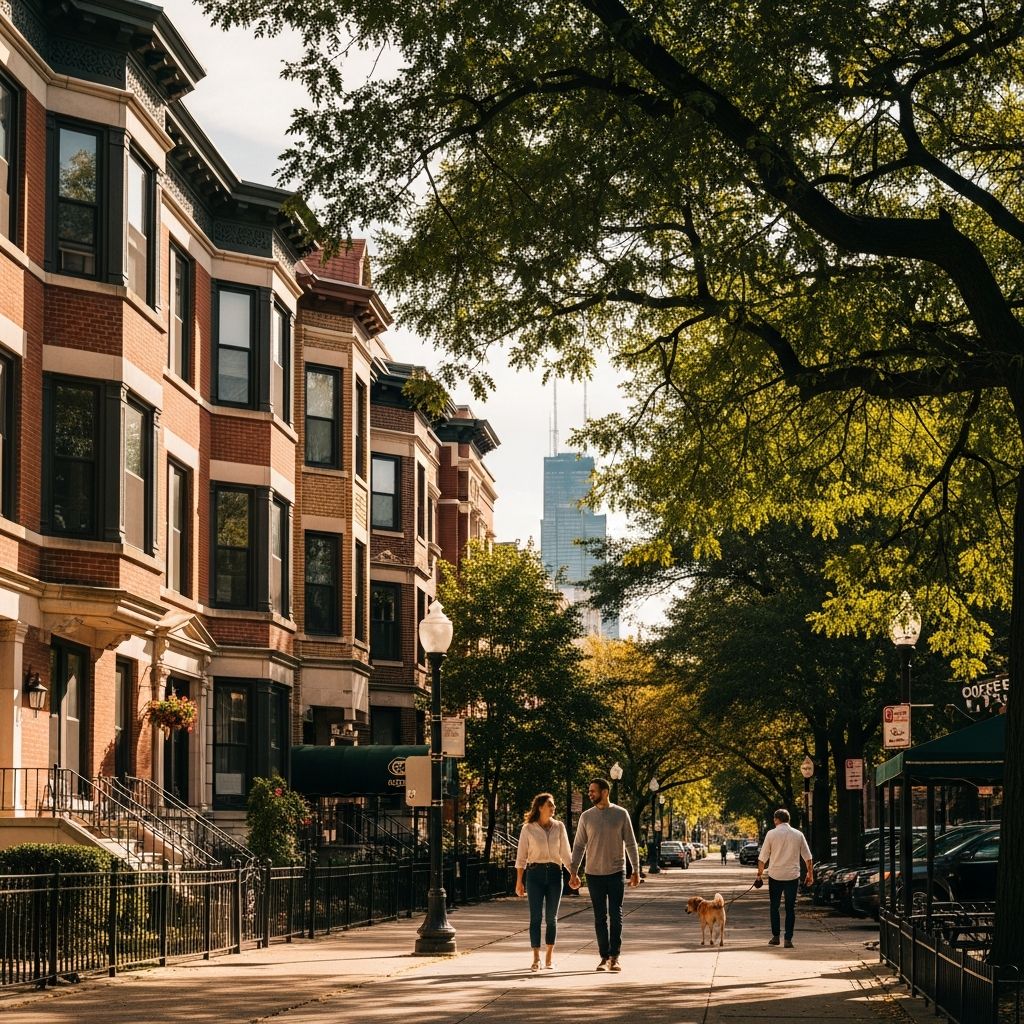
Chicago’s diverse metropolitan landscape offers potential homebuyers an exceptional range of neighborhoods, each with distinct characteristics, amenities, and lifestyle opportunities. Whether you prioritize urban convenience, family-oriented communities, or long-term investment potential, understanding the unique qualities of Chicago’s various districts is essential for making an informed real estate decision. The city’s neighborhoods vary significantly in terms of housing stock, transportation access, school quality, and community atmosphere, making it crucial to explore multiple options before committing to a purchase.
Urban Core Neighborhoods for Young Professionals and Active Lifestyles
The neighborhoods closest to Chicago’s downtown business district and cultural attractions appeal strongly to professionals and those seeking vibrant urban living. These areas typically feature modern amenities, walkable streets, and easy access to employment centers, restaurants, and entertainment venues.
The Loop and Financial District Living
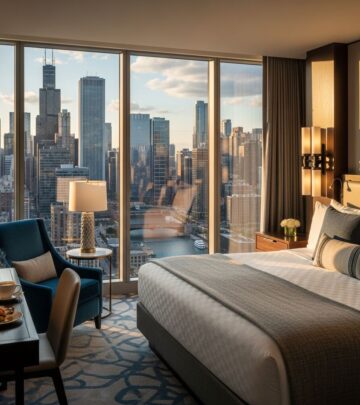
Downtown Chicago’s Loop neighborhood represents the pinnacle of urban residential convenience. This neighborhood attracts professionals and students seeking immediate proximity to major employers, educational institutions, and Chicago’s most iconic landmarks. The neighborhood’s defining characteristic is its comprehensive public transportation network, with multiple CTA train lines and bus routes providing seamless connectivity throughout the metropolitan area. High-rise residential buildings dominate the housing inventory, offering modern condominiums with premium amenities including fitness centers, doorman services, and rooftop terraces.
The Loop’s walkability score ranks among the city’s highest, enabling residents to access shopping, dining, and cultural attractions on foot. Living in this neighborhood means immediate access to world-class museums, theaters, and the Chicago Theatre, one of the city’s most recognizable performance venues. However, prospective buyers should anticipate higher price points compared to outlying neighborhoods and limited options for single-family homes or traditional residential architecture.
South Loop: Emerging Modern Living
South Loop has emerged as an increasingly attractive alternative to downtown living, offering contemporary residential options with more spacious floor plans and competitive pricing. The neighborhood combines modern high-rise condominium developments with proximity to Grant Park, Museum Campus, and the city’s lakefront attractions. New construction projects in South Loop frequently feature upgraded amenities and contemporary design elements that appeal to buyers seeking newly built or recently renovated properties.
The neighborhood’s appeal extends beyond new construction, as it offers robust transit connections and growing commercial corridors. The South Loop continues to attract young professionals and couples who value convenience without the premium pricing associated with the Loop itself. Development momentum in this neighborhood suggests continued appreciation potential for property owners.
Trendy Neighborhoods With Cultural Vitality and Community Character
Several Chicago neighborhoods have established themselves as culturally vibrant communities with strong dining scenes, independent retail establishments, and distinctive architectural heritage. These areas appeal to buyers prioritizing neighborhood character and social engagement alongside residential functionality.
West Loop: Dining and Development Hub
West Loop consistently ranks among Chicago’s most desirable neighborhoods, combining restaurant excellence with residential development momentum. The neighborhood’s transformation over the past two decades has established it as a culinary destination, with Randolph Street earning recognition for its concentration of acclaimed dining establishments and Fulton Market attracting both established and emerging restaurants. This neighborhood appeals to food enthusiasts, entrepreneurs, and professionals seeking walkable urban living with upscale dining options.
The residential landscape in West Loop features predominantly new construction condominiums in boutique buildings, which typically command premium prices. Low inventory levels in this neighborhood continue driving competitive bidding among buyers, creating a seller’s market dynamic. The neighborhood’s proximity to the Loop business district makes it particularly attractive to downtown workers seeking residential neighborhoods that maintain urban energy while offering more spacious accommodations than downtown proper.
Logan Square: Historic Charm and Consistent Appreciation
Logan Square represents a neighborhood where historic architectural character combines with contemporary urban vitality. The neighborhood’s distinctive features include tree-lined boulevards, graystones, and vintage single-family homes that have attracted renovation-focused buyers for over a decade. The neighborhood’s appreciation trajectory has remained strong and consistent, making it appealing for both owner-occupants and investment-minded purchasers.
Transportation accessibility via the Blue Line CTA branch provides direct connections to downtown and O’Hare International Airport. The neighborhood’s rental market demonstrates robust demand, supporting long-term property value appreciation. Logan Square’s combination of walkable streets, community identity, and green spaces creates an appealing lifestyle environment for diverse demographic groups. However, appreciation over recent years has pushed entry prices higher, requiring careful financial analysis before purchase.
West Town Neighborhoods: Diversity and Dynamism
The West Town community area encompasses several distinctive neighborhoods—Wicker Park, Bucktown, and Ukrainian Village—that collectively represent some of Chicago’s most sought-after residential areas. These neighborhoods feature historic single-family homes, modern renovated lofts, and contemporary condominium developments that appeal to various buyer preferences. The combination of historic housing stock and contemporary design flexibility attracts buyers interested in renovation projects and custom home modifications.
Inventory in these neighborhoods moves quickly, particularly for well-renovated properties that combine historic character with modern updates. Proximity to downtown without requiring lengthy commutes makes these neighborhoods attractive to professionals and entrepreneurs. The area’s cultural diversity and burgeoning small business community contribute to neighborhood dynamism and long-term desirability.
Family-Focused Neighborhoods With Strong Schools and Parks
Several Chicago neighborhoods have established themselves as family destinations through exceptional school systems, abundant green spaces, and community-oriented amenities. These neighborhoods appeal to buyers prioritizing children’s education and outdoor recreation opportunities.
Lincoln Park: Prestige and Established Excellence
Lincoln Park maintains its position as one of Chicago’s most prestigious and stable neighborhoods, combining excellent schools with lakefront access and refined residential character. The neighborhood’s desirable school districts rank among Chicago’s top public and private institutions, making it particularly attractive to families prioritizing educational excellence. Luxury new construction projects continue entering the market, appealing to affluent buyers seeking updated residences with premium finishes and amenities.
Properties in Lincoln Park typically appreciate steadily, providing long-term stability for homeowners. The neighborhood’s classic architecture, tree-lined streets, and proximity to Lincoln Park itself create distinctive aesthetic character. Prospective buyers should anticipate premium pricing that reflects the neighborhood’s established reputation and consistent desirability among high-income households.
Lakeview: Balanced Living and Diverse Housing
Lakeview offers homebuyers an exceptional mix of residential options, including condominiums, single-family homes, and vintage properties amenable to renovation. The neighborhood’s appeal stems from lakefront proximity, abundant parks, and strong school options in multiple pockets of the community. The balance between updated modern residences and vintage properties provides flexibility for buyers with different aesthetic preferences and renovation interests.
Lakeview’s thriving retail and restaurant corridors provide walkable shopping and dining options without requiring car transportation. The neighborhood’s consistent popularity means inventory moves quickly, requiring buyers to maintain flexibility and responsiveness during the search process. The neighborhood’s refined yet accessible character creates appeal across multiple demographic segments and lifestyle preferences.
Lincoln Square and Ravenswood: Community and Charm
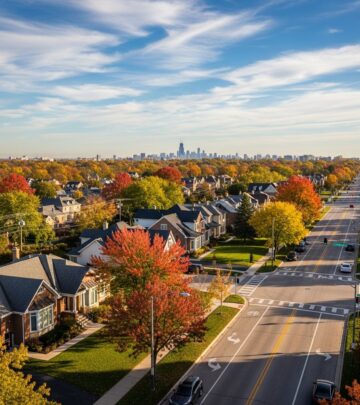
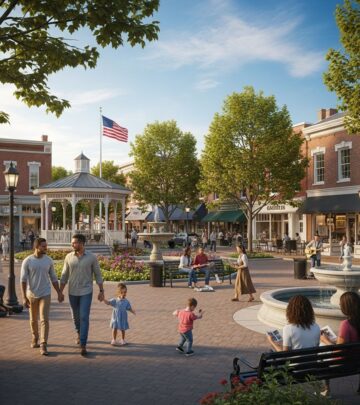
Lincoln Square and adjacent Ravenswood exemplify neighborhoods combining strong community identity with family-friendly amenities and convenient urban access. These areas feature tree-lined streets, historic homes, and small-town character that appeals to buyers seeking community engagement without sacrificing access to city services. Exceptional neighborhood schools support families’ educational priorities, while parks and recreation facilities provide outdoor activity options.
Lincoln Avenue’s retail corridor offers distinctive shopping and dining experiences distinct from chain-focused commercial areas. The neighborhoods’ strong rental demand supports long-term property appreciation for investors and long-term owner-occupants. Single-family homes in these neighborhoods frequently receive multiple competing offers, indicating strong market demand and limited inventory.
Emerging and Value-Oriented Neighborhoods for Strategic Investors
Several Chicago neighborhoods offer compelling long-term appreciation potential for strategic investors while maintaining more accessible entry prices than established premium neighborhoods.
South Side Residential Communities
South Side neighborhoods including Beverly and Mount Greenwood offer suburban character within reasonable proximity to downtown, appealing to families prioritizing space and affordability. Beverly features traditional brick bungalows and Craftsman-style homes with strong Irish community heritage and seasonal farmers market activities. Mount Greenwood, located approximately 30 minutes from downtown, provides larger residential lots and substantial single-family homes in Georgian, Cape Cod, and bungalow styles. These neighborhoods appeal to families prioritizing affordable housing without completely sacrificing urban access.
Top-rated private institutions including Marist High School, Brother Rice High School, and Mother McAuley Liberal Arts High School make Mount Greenwood particularly attractive for families prioritizing educational excellence in suburban settings. The suburban atmosphere reduces urban density while maintaining reasonable commute times for downtown-oriented professionals.
North Side Suburban Options
Edison Park on Chicago’s North Side represents one of the city’s safest neighborhoods, offering large single-family homes with well-maintained yards and excellent public school options. Proximity to Metra Rail provides transportation alternatives for commuters, while location near O’Hare International Airport benefits frequent travelers. The neighborhood’s safety reputation and quality schools make it appealing for families prioritizing residential security and educational quality.
Investment-Focused Neighborhoods With Growth Potential
Several emerging neighborhoods demonstrate strong potential for property appreciation and rental income generation, attracting investor-focused buyers seeking value before widespread market recognition.
Bronzeville represents a historically significant neighborhood experiencing quiet revitalization, with beautiful architecture and prices still lower than nearby premium areas. Long-term appreciation potential and buy-and-hold investor appeal characterize this neighborhood’s investment thesis.
Avondale functions as a more affordable alternative to established trendy neighborhoods, offering lower purchase prices and spillover demand from price-sensitive buyers seeking similar lifestyle amenities. The neighborhood’s strong upside potential makes it attractive for first-time real estate investors.
Uptown has transitioned from a rough-around-the-edges reputation to an increasingly polished neighborhood with lakefront access, multiple CTA transportation lines, and growing rental appeal. The neighborhood’s strategic location near Lake Michigan and diverse residential options make it attractive for multi-unit property investors.
Pilsen maintains strong rental demand with younger tenant pools seeking culturally vibrant neighborhoods. Proximity to downtown and dependable renter demand support long-term property appreciation.
Humboldt Park continues offering value opportunities with strong housing stock and growing buyer interest, particularly for multi-unit properties. The neighborhood’s affordability relative to adjacent areas suggests appreciation potential as the neighborhood gains recognition.
Market Dynamics and Pricing Considerations
Chicago’s residential real estate market demonstrates significant variation in pricing and appreciation potential across neighborhoods. The median home sale price in the Chicago metropolitan area approximates $365,000 as of early 2026. However, neighborhood-specific pricing varies dramatically, with premium neighborhoods commanding substantially higher premiums while emerging neighborhoods offer more accessible entry prices.
Market stability remains strong, with homeowner equity providing clear signals of residential sector health. Many buyers expect slightly improved affordability as interest rates moderate from previous peaks, though ultra-low historical rates may not recur. Successful homebuyers should conduct thorough neighborhood research and financial analysis before purchase decisions.
Key Considerations for Neighborhood Selection
- Transportation Access: Evaluate proximity to CTA trains, bus routes, and Metra commuter rail to determine daily commute feasibility
- School Quality: Research public and private school options for families prioritizing educational excellence
- Walkability and Amenities: Assess pedestrian-friendly streets and proximity to shopping, dining, and recreation options
- Community Character: Determine whether neighborhood personality aligns with personal lifestyle preferences and values
- Price Trends: Investigate historical appreciation patterns and current market conditions for informed investment decisions
- Inventory Levels: Understand competitive market dynamics and pricing pressure in neighborhoods with limited housing stock
- Future Development: Consider planned infrastructure improvements and development projects affecting future property values
Conclusion
Chicago’s exceptional neighborhood diversity creates opportunities for homebuyers across income levels, lifestyle preferences, and investment objectives. Thorough research combining neighborhood visits, market analysis, and professional guidance enables informed decisions matching residential purchases to personal priorities. Whether prioritizing urban convenience, family-friendly character, investment potential, or distinctive cultural identity, Chicago offers neighborhoods fulfilling diverse residential requirements and aspirations.
References
- Where Chicago Buyers Are Flocking in 2026 — Ryan Hardy. 2026. https://www.ryanhardychicago.com/blog/where-buyers-are-flocking-in-2026/
- Best Places to Buy a Home in Chicago — Extra Space Storage. 2026. https://www.extraspace.com/blog/city-guides/best-places-to-buy-a-home-in-chicago/
- Top 10 Chicago Neighborhoods to Invest in Real Estate in 2026 — Jason Rosenberg Real Estate. 2026. https://www.jasonrosenbergrealestate.com/post/top-10-chicago-neighborhoods-to-invest-in-real-estate-in-2026-where-smart-investors-buy-and-where
- Chicago Housing Market Update for Homebuyers (2026) — MI Homes. 2026. https://www.mihomes.com/blog/chicago/chicago-housing-market-update-for-homebuyers
- The 2026 Residential Real Estate Outlook — Chicago Association of Realtors. 2026. https://chicagorealtor.com/the-2026-residential-real-estate-outlook/
- 2026 Chicagoland Real Estate Sales Predictions — Chicago Agent Magazine. 2025. https://chicagoagentmagazine.com/2025/12/01/2026-chicagoland-real-estate-sales-predictions/
Similar Articles








Read full bio of medha deb