Checking vs. Savings: Which Account Fits Your Financial Needs
Understand the key differences between checking and savings accounts to make smarter financial decisions.

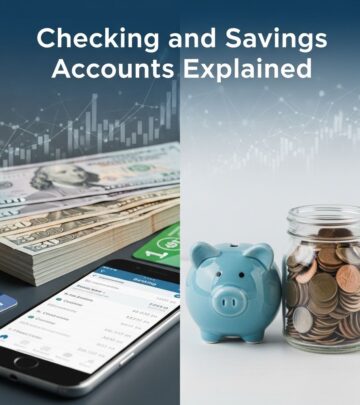
When managing your personal finances, having the right banking tools is essential. Two fundamental accounts that form the foundation of most people’s banking strategy are checking and savings accounts. While both are deposit accounts that allow you to store and access money, they serve distinctly different purposes in your overall financial plan. Understanding these differences can help you choose the right accounts and use them strategically to manage expenses, build savings, and work toward your financial goals.
The Core Purpose: Why These Accounts Exist
A checking account is designed with a specific mission in mind: to provide convenient access to your money for regular, everyday transactions. This account functions as your financial hub for paying bills, making purchases, withdrawing cash, and managing the money you actively use throughout each month. Banks structure checking accounts to make spending seamless and straightforward.
In contrast, a savings account takes a different approach to your money. Rather than emphasizing quick access, savings accounts encourage you to set money aside for future objectives. Whether you’re planning a vacation, building an emergency fund, or saving for a major life event like purchasing a home, a savings account provides a dedicated place to accumulate and grow your funds over time.
Access and Convenience: Getting to Your Money
One of the most practical differences between these account types involves how easily you can retrieve your funds. Checking accounts prioritize accessibility. Banks equip checking accounts with multiple convenient ways to access your money whenever you need it. You can use debit cards for purchases, withdraw cash at ATMs across extensive networks, write checks to pay merchants or individuals, and utilize digital payment options like mobile wallets. This flexibility makes checking accounts ideal for regular transactions where you need immediate access.
Savings accounts intentionally limit this convenience. By design, accessing funds in a savings account is less instantaneous than with checking. This structural limitation serves a psychological and practical purpose: it reduces the temptation to make impulse withdrawals. When your savings require an extra step or two to access, you’re more likely to leave the money alone and allow it to grow.
The Interest Factor: Growing Your Money
Perhaps the most significant financial difference between these accounts involves interest earnings. Savings accounts pay interest on the balances you maintain, providing what is often called a modest return on your stored funds. The exact interest rate varies depending on your bank, the specific savings account type you choose, and current economic conditions. Banks express this rate as an Annual Percentage Yield (APY). Understanding APY matters because it directly impacts how much your money grows. For example, maintaining a balance of $1,000 in an account with a 1% APY would generate approximately $10 in interest over a year.
Checking accounts, by contrast, generally do not pay interest on your balance. Some banks offer checking accounts with minimal interest rates, but these are exceptions rather than the rule. The primary function of a checking account is transaction management, not wealth accumulation through interest earnings. This difference becomes increasingly important as you consider your long-term financial strategy.
Federal Protection and Security
Both account types offer the same fundamental protection: federal insurance coverage. The Federal Deposit Insurance Corporation (FDIC) insures both checking and savings accounts up to $250,000 per account holder per bank. This protection means your deposits are safeguarded against bank failures, providing peace of mind that your money is secure regardless of which account type holds it.
Transaction Patterns and Frequency
How you use these accounts differs substantially. Checking accounts expect frequent transactions. You’ll use them multiple times daily or weekly for purchases, bill payments, and withdrawals without worrying about limits or penalties. Banks recognize this pattern and structure checking accounts accordingly.
Savings accounts, meanwhile, are not designed for frequent transactions. Many financial institutions limit the number of withdrawals you can make from a savings account each month. These restrictions vary by bank but typically allow six to ten withdrawals per statement cycle. Exceeding these limits can result in fees or penalties. This limitation encourages you to view your savings account as a holding place for funds rather than an active spending account.
Fee Structures and Costs
Both account types may involve fees, though the specific fees differ based on how they function:
- Checking accounts commonly charge monthly maintenance fees, though some banks waive these if you meet certain conditions like maintaining a minimum balance or setting up direct deposit
- Checking accounts may also charge overdraft fees if you spend more than your available balance
- Out-of-network ATM fees are another potential cost with checking accounts
- Savings accounts may charge fees if you withdraw funds too frequently, exceeding your monthly limit
- Some savings accounts impose minimum balance fees if you fail to maintain a required deposit amount
Minimum Balance Requirements
Banks often set minimum balance requirements differently for these account types. Checking accounts typically have low or no minimum balance requirements, making them accessible regardless of your current financial situation. This design supports their purpose of serving everyday financial needs.
Savings accounts frequently require higher minimum balances to maximize interest benefits or avoid fees. These requirements reflect the account’s purpose as a vehicle for building wealth. By requiring minimum balances, banks encourage you to keep money in the account longer and earn more interest.
Quick Comparison Table
| Feature | Checking Account | Savings Account |
|---|---|---|
| Primary Purpose | Daily spending and bill payments | Accumulating funds for goals |
| Access to Funds | Easy and immediate | Limited, intentionally restricted |
| Interest Earned | Minimal or none | Higher rates, typically compounds |
| Transaction Frequency | Unlimited or very high limits | Usually limited to 6 per month |
| Common Fees | Monthly maintenance, overdraft | Minimum balance, withdrawal limits |
| Minimum Balance | Often low or none | Often required for optimal benefits |
Digital Banking and Modern Conveniences
Both checking and savings accounts typically provide access to online and mobile banking platforms. These tools allow you to monitor your balance, view transaction history, transfer funds between accounts, and set up automatic deposits regardless of account type. The digital capabilities of modern banking make managing multiple accounts easier than ever before.
Building a Dual-Account Strategy
Rather than choosing between checking and savings accounts, financial experts generally recommend having both. These accounts complement each other when used strategically. Here’s how they work together:
- Your checking account handles the daily flow of money: deposits arrive via direct deposit, money goes out for bills and purchases
- Your savings account builds reserves from the money left over after your checking account expenses are paid
- You can set up automatic transfers from checking to savings, making the saving process hands-off and consistent
- Linking these accounts provides overdraft protection, where your savings can cover checking account shortfalls
- Having both accounts provides financial flexibility for both immediate needs and long-term goals
The Challenge of Linked Accounts
While linking checking and savings accounts offers convenience, it comes with a potential drawback worth considering. When your savings account is too easily accessible through your linked checking account or ATM card, you may face temptation to withdraw funds for non-emergency purposes. The psychological barrier that makes savings accounts less convenient becomes less effective when you can access them as easily as your checking account. This ease of access can undermine your savings goals if you lack strong budgeting discipline.
Interest Rates and Earnings Potential
Savings accounts generally offer higher interest rates than checking accounts, but it’s important to recognize that savings accounts typically earn lower interest rates compared to other investment vehicles like certificates of deposit (CDs) or money market accounts. However, for money you need to keep readily accessible for emergencies or short-term goals, the interest earnings from a savings account still provide a meaningful advantage over storing funds in a non-interest-bearing checking account.
Making the Right Choice for Your Situation
Choosing the right accounts depends on your financial situation and goals. Consider these factors:
- If you’re paid regularly through direct deposit, a checking account is essential for receiving your paycheck and managing regular expenses
- If you want your deposits to grow through interest earnings, a savings account should be part of your banking portfolio
- If you struggle with impulse spending, limiting accessibility to savings through a separate account structure helps protect your goals
- If you need flexibility for unexpected expenses, having both accounts provides a safety net
Frequently Asked Questions
Can I use a savings account for everyday spending?
While technically possible, savings accounts are not designed for frequent transactions. Many banks limit withdrawals and may charge fees if you exceed transaction limits. Additionally, constantly accessing your savings defeats the purpose of setting money aside for your goals.
Do all checking accounts lack interest?
Most checking accounts don’t pay interest, but some financial institutions offer interest-bearing checking accounts. However, the interest rates on checking accounts are typically much lower than what you’d earn in a dedicated savings account.
What happens if I exceed my savings account withdrawal limit?
Most banks charge a fee ranging from $5 to $35 per excess transaction. Some banks may also close your account or convert it to a different account type if you repeatedly exceed your withdrawal limit.
Should I keep all my emergency fund in a savings account?
A savings account is an excellent place for emergency funds because it earns interest while keeping money accessible. Some people maintain three to six months of living expenses in a savings account for true emergencies.
Can I open checking and savings accounts at different banks?
Yes, you can bank with multiple institutions. However, linking accounts at the same bank provides convenience and the ability to transfer funds between accounts quickly. Having accounts at different banks may make transfers take longer.
References
- Difference Between Checking and Savings Accounts — Santander Bank. 2024. https://www.santanderbank.com/personal/resources/checking-savings/difference-between-checking-savings
- What is the difference between checking and savings accounts? — Bank of America. 2024. https://bettermoneyhabits.bankofamerica.com/en/personal-banking/the-difference-between-checking-and-savings-account
- Checking Vs. Savings Accounts: Differences And How To Choose — Bankrate. 2024. https://www.bankrate.com/banking/checking-vs-savings-accounts/
- Understanding Differences Between Checking and Savings Accounts — Intuit. 2024. https://www.intuit.com/blog/innovative-thinking/financial-tips/checking-v-savings/
- What’s the Difference Between Checking and Savings Accounts? — Huntington Bank. 2024. https://www.huntington.com/learn/saving/differences-between-checking-and-savings
Similar Articles








Read full bio of Sneha Tete