Checking Accounts: 4 Types, Benefits, And How To Choose
Discover how checking accounts simplify daily finances with easy access, security, and smart money tools for everyone.

Checking accounts serve as the cornerstone of everyday financial management, enabling seamless transactions for bills, purchases, and transfers while offering robust security features.
Core Functions of Checking Accounts
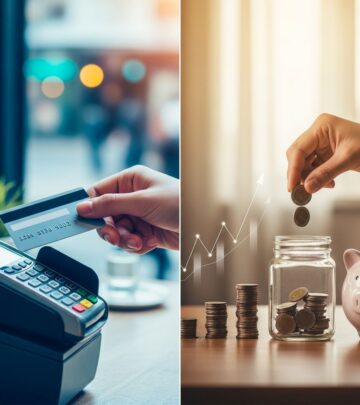
At their heart, checking accounts facilitate frequent access to funds without the restrictions typical of savings accounts. Users rely on them for depositing paychecks via direct deposit, withdrawing cash from ATMs, and executing debit card payments at stores or online.
These accounts support a wide array of activities, including writing physical checks for rent or utilities, setting up automated bill payments to avoid late fees, and initiating electronic transfers to savings or investment accounts. Unlike savings options, they impose no limits on transaction volume, making them ideal for daily use.
Key Advantages for Daily Use
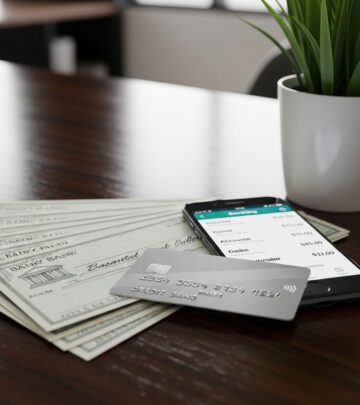
One primary advantage is unparalleled convenience. With linked debit cards, account holders can shop in-person, online, or via mobile apps without carrying cash, reducing theft risks.
- Access funds anytime through ATMs, online portals, or mobile banking for balance checks, transfers, and bill payments.
- Enable peer-to-peer payments via integrated services like Zelle, allowing instant transfers to friends or family from smartphones.
- Support direct deposit for immediate paycheck availability, often up to two days early with select banks.
Many accounts feature low or no minimum balance requirements, broadening accessibility for students, low-income individuals, or those new to banking.
Security and Protection Features
Federal Deposit Insurance Corporation (FDIC) coverage protects deposits up to $250,000 per depositor, per insured bank, safeguarding against bank failures. This insurance applies to most checking accounts at participating institutions, providing peace of mind superior to cash stored at home.
Additional safeguards include fraud monitoring, transaction alerts, and the ability to lock debit cards instantly if lost or stolen. Overdraft protection options link to savings accounts or credit lines to cover shortfalls, though users should note potential fees and opt-in requirements.
Digital Tools for Smarter Banking
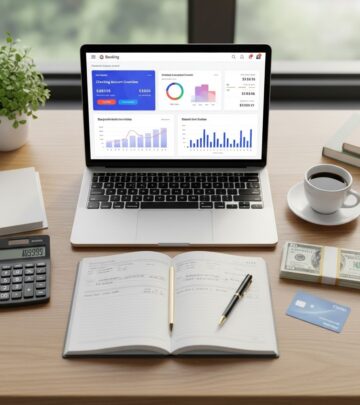
Modern checking accounts integrate advanced digital features to enhance financial oversight. Mobile apps offer real-time balance updates, spending categorization, and customizable alerts for low balances or unusual activity.
Budgeting tools within apps help track expenses, set savings goals, and visualize spending patterns, promoting better habits. Users can deposit checks remotely by photographing them, eliminating branch visits.
Types of Checking Accounts Available
Banks and credit unions offer varied checking products tailored to needs:
| Type | Best For | Key Features |
|---|---|---|
| Standard Checking | Everyday use | Debit card, bill pay, no/low fees |
| Interest-Bearing | Earn on balances | Low APY, similar access |
| Premium/Relationship | Higher balances | Fee waivers, enhanced perks |
| Student/Teen | Young users | No fees, financial education tools |
Interest-bearing versions, though less common, allow balances to grow modestly while maintaining liquidity. Premium accounts often waive fees for maintaining minimums and include perks like free wires or higher ATM limits.
Comparing Checking to Other Accounts
| Account Type | Transaction Limits | Interest Potential | Best Use |
|————–|——————-|——————–|———-|
| Checking | Unlimited | Low/None | Daily spending |
| Savings | 6/month (Reg DD) | Higher | Emergency funds |
| Money Market| Moderate | Competitive | Short-term savings |
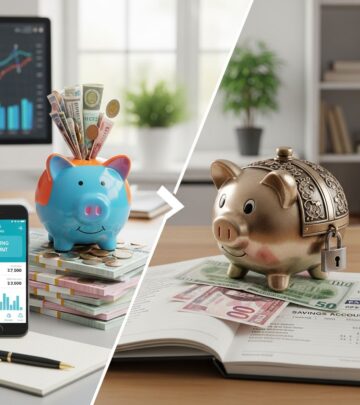
Pairing a checking account with a high-yield savings at an online bank maximizes accessibility and growth: use checking for transactions and savings for yields.
Managing Costs and Fees Effectively
While many accounts are free, watch for monthly maintenance fees waived by direct deposit or minimum balances. ATM fees apply out-of-network; choose banks with large networks.
- Avoid overdraft fees by enabling alerts or protection plans.
- Skip check-cashing services elsewhere, as deposits are free.
- Automate payments to dodge late charges on utilities or cards.
Steps to Open Your First Checking Account
- Research banks/credit unions for fees, perks, and branch access.
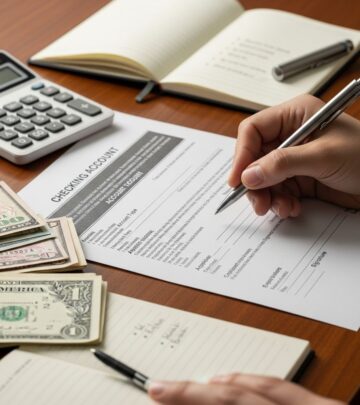
- Gather ID (driver’s license, SSN), proof of address.
- Apply online/in-branch; fund with initial deposit.
- Order debit card, set up direct deposit, download app.
- Link to external apps like Venmo for P2P.
Opening takes minutes online, with approval often instant for eligible applicants.
Building Financial Habits with Checking
Regular statements reveal spending trends, aiding budget creation. Automate transfers to savings post-paycheck for effortless saving. Track progress via app analytics to adjust habits, fostering long-term stability.
Early adoption builds credit history through linked secured cards or on-time payments, essential for future loans.
Frequently Asked Questions
What is the difference between checking and savings?
Checking prioritizes unlimited transactions for spending; savings limits withdrawals for interest earning and growth.
Do all checking accounts earn interest?
No, most do not, but interest-checking options exist with modest rates.
Is my money safe in a checking account?
Yes, FDIC insures up to $250,000 against bank failure.
Can I open a checking account without a minimum deposit?
Many require none or low amounts, especially student accounts.
How do I avoid overdraft fees?
Opt for alerts, protection links, or no-overdraft policies.
Advanced Features for Power Users
Some accounts offer early direct deposit, cash-back debit rewards, or international usage without foreign fees. Credit unions like Nusenda provide elite fraud resolution. PNC emphasizes seamless employer direct deposits.
Integrate with budgeting apps for holistic views, exporting data for tools like Mint or YNAB.
References
- What Is A Checking Account? Features, Benefits & More — Bankrate. 2023. https://www.bankrate.com/banking/checking/what-is-a-checking-account/
- Understanding Personal Checking and Your Finances — Associated Bank. 2024. https://www.associatedbank.com/education/articles/personal-finance/checking-and-savings/understanding-personal-checking
- 7 Checking Account Benefits You Need to Know — Citi. 2024. https://www.citi.com/banking/personal-banking-guide/basic-finance/checking-account-benefits
- Checking Accounts: Advantages & Disadvantages — Capital One. 2024. https://www.capitalone.com/bank/money-management/banking-basics/benefits-of-checking-accounts/
- 8 Benefits of a Checking Account — Florence Bank. 2023. https://www.florencebank.com/benefits-of-a-checking-account
- What Are the Benefits of a Checking Account? — Nusenda Credit Union. 2026-01-09. https://www.nusenda.org/news-resources/financial-library/blog/2026/01/09/benefits-of-a-checking-account
Similar Articles








Read full bio of medha deb