Opening a Checking Account: Complete Requirements Guide
Everything you need to know about opening a checking account in 2026
Opening a checking account is one of the most fundamental steps toward financial independence and stability. Whether you’re a first-time account holder or looking to switch financial institutions, understanding the prerequisites for account opening can streamline the process and prevent unnecessary delays. Banks and credit unions maintain specific requirements to verify your identity, assess your financial history, and comply with federal banking regulations. This comprehensive guide walks you through everything you’ll need to successfully open a checking account.
Age and Eligibility Fundamentals
The foundation of checking account eligibility begins with age requirements. Most financial institutions require applicants to be at least 18 years old to open an individual checking account independently. However, this doesn’t mean younger individuals are completely excluded from the banking system.
Minors aged 17 and under have options available, though they come with specific conditions. Many banks permit teenagers to open accounts, but these require a parent or guardian to serve as a joint account holder or co-owner. This arrangement allows young people to begin building banking habits while maintaining parental oversight. Some financial institutions may even offer specialized teen checking products designed with features appropriate for younger account holders, such as spending limits or parental monitoring capabilities.
For those under 18 who wish to open an account, branch visits are typically mandatory rather than online applications. This in-person requirement allows bank representatives to verify the minor’s identity and ensure proper adult authorization is in place.
Essential Identification Documentation
Verifying your identity stands as a cornerstone requirement in the account opening process. Banks must confirm you are who you claim to be before granting access to financial services. The identification requirements vary slightly depending on whether you’re opening an account online or at a physical branch.
Primary Identification Requirements
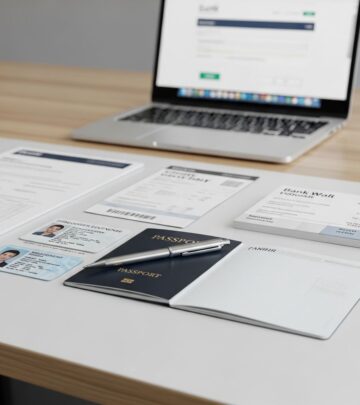
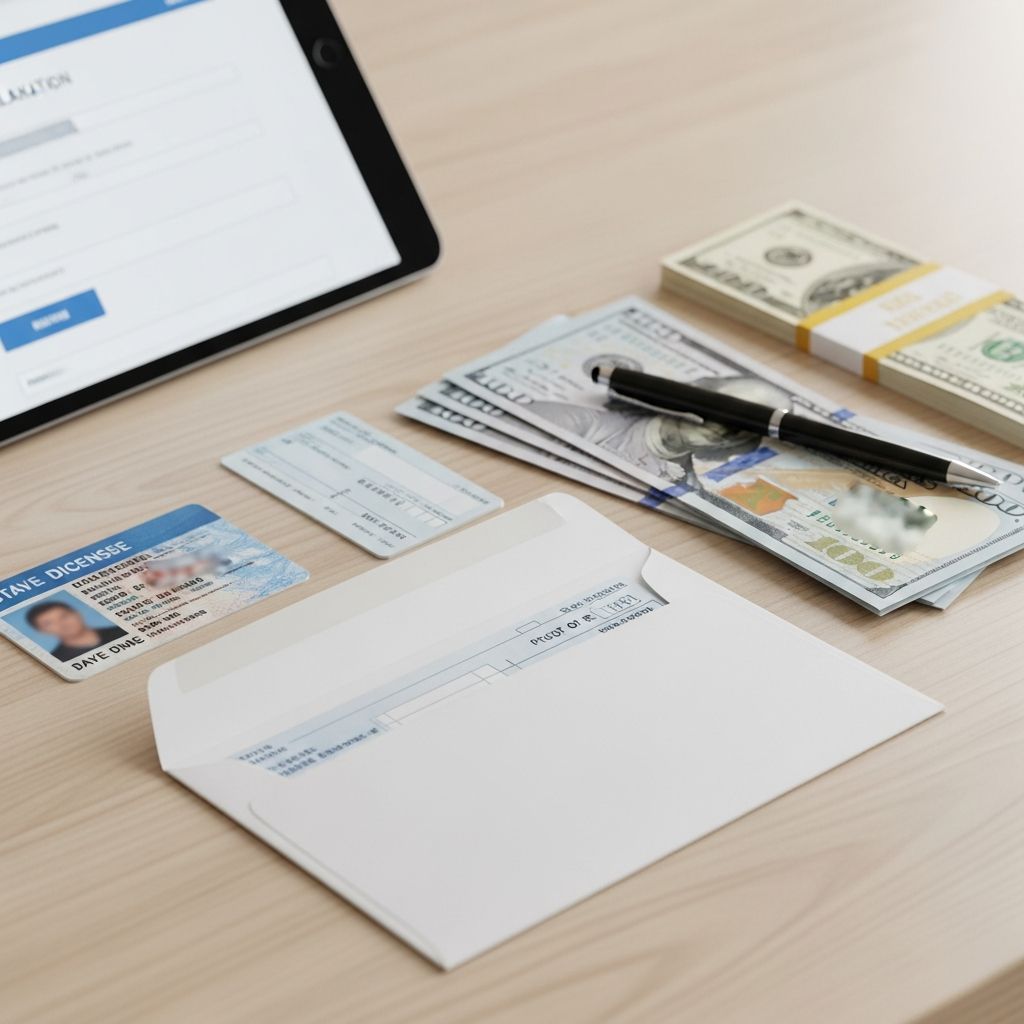
For in-branch applications, you’ll need two forms of identification: one primary ID and one secondary ID. The primary identification can include:
- State-issued or U.S. territory driver’s license
- State-issued or U.S. territory identification card
- Passport
- U.S. Armed Forces identification
- Permanent resident card
- Employment authorization card
- Border Crossing Card
- Tribal identification issued by a federally recognized U.S. tribal government
- Consular card from Colombia, Guatemala, or Mexico
- Canadian driver’s license or identification card (English-issued only)
Secondary Identification Options
Your secondary identification provides additional verification of your identity. This can be any document accepted as primary identification, or alternatively:
- ATM, credit, or debit card
- Employee identification
- Student identification
- Signed Social Security card
- Birth certificate (original or certified copy)
- Identification from a recognized business, educational institution, or government agency
Both forms of identification should be original documents whenever possible, and they should be current and valid.
Tax Identification Numbers
Banks require a tax identification number to comply with federal reporting requirements and anti-money laundering regulations. You’ll need to provide your Social Security Number (SSN) or Individual Taxpayer Identification Number (ITIN). If you don’t have either of these, you may need to apply for one before opening a checking account.
For non-U.S. citizens without a U.S.-issued taxpayer identification number, alternative documentation may be accepted. You can typically provide a government-issued identification that demonstrates your nationality or residence status.
Proof of Physical Address
Financial institutions need to verify your residential address for regulatory compliance and to ensure they can contact you regarding your account. If your primary and secondary identification documents don’t include your current physical address, you’ll need to provide separate proof of address.
Acceptable proof of address documents typically include:
- Utility bills (electric, water, gas, or internet)
- School enrollment statements
- Lease agreements or rental contracts
- Property tax documents
- Government-issued correspondence with your name and address
- Bank or credit card statements
- Insurance documents
These documents should be recent, typically from the last 90 days, and clearly display your full name and current residential address.
Personal and Financial Information
Beyond identification, banks collect personal information to establish your account and assess your financial background. You’ll be asked to provide:
- Full legal name
- Date of birth
- Phone number and email address
- Employment status and employer information
- Annual income or income range
- Current financial obligations and liabilities
- Emergency contact information
Some institutions may also request information about your employment history and the source of funds you plan to deposit into the account.
Consumer Deposit History Review
When you apply for a checking account, most banks will examine your consumer deposit history through specialty consumer reporting agencies. These reports track your banking behavior and history with financial institutions. Banks use this information to assess risk and determine whether to approve your application and what account features or limitations to offer.
Your deposit history includes:
- Previous and current banking relationships
- Account closures and reasons
- Overdraft history
- Fraudulent activity or disputes
- Unpaid fees or outstanding balances
If you have a negative banking history, such as prior overdrafts or account closures, you might face challenges opening a standard checking account. In such cases, you may need to consider second-chance banking products specifically designed for individuals with previous banking issues.
Online vs. In-Branch Application Requirements
The method you choose to open your account affects what documentation you’ll need to provide. Online applications have streamlined but still rigorous requirements, while branch applications allow for immediate verification.
Opening an Account Online
If you’re 18 or older and choose to apply online, you’ll need:
- Valid Social Security Number or ITIN
- Physical U.S. address
- Your own mobile phone number for verification
- Valid email address
- Sometimes a digital copy of your identification
Online applications often use identity verification technology to confirm your information without requiring physical document submission upfront, though you may need to provide original documents later.
Opening an Account at a Branch
In-branch applications allow you to present physical documents directly to bank representatives. You’ll need both forms of identification, proof of address if required, and the same personal information as online applicants. Branch applications can be completed immediately if all documents are present and valid.
Special Circumstances and Additional Requirements
Certain situations may trigger additional documentation requirements. If you’re opening an account in someone else’s name or establishing a joint account, all account owners will need to provide their own identification and tax information.
Some banks offer specialized checking products for senior citizens with different requirements. These accounts often have lower or waived minimum balance requirements, making them attractive for retirees on fixed incomes.
Minimum Deposit and Account Balance Considerations
While opening requirements focus on documentation and verification, it’s important to understand what happens after your account is open. Minimum balance requirements have been increasing across the industry, with some banks raising thresholds significantly. For example, minimum daily balance requirements have increased from $100 to $250 at some institutions, with monthly maintenance fees of $15 or more for those who don’t maintain the required balance.
Before opening an account, ask your bank about:
- Minimum opening deposit required
- Minimum daily balance to avoid fees
- Monthly maintenance fees
- Ways to waive fees (direct deposit, account type, etc.)
Many online banks and credit unions still offer free checking accounts without minimum balance requirements as a competitive advantage.
Frequently Asked Questions
Can I open a checking account without a Social Security Number?
While an SSN is standard, non-citizens can use an Individual Taxpayer Identification Number (ITIN) instead. Non-citizens without either may need to provide additional identification documents demonstrating nationality or residence.
What if I don’t have a state-issued driver’s license?
You have multiple alternatives for primary identification, including passports, military IDs, or permanent resident cards. A secondary form of ID can also fulfill primary requirements.
How long does the account opening process take?
In-branch applications can be completed immediately if all documents are valid. Online applications typically take 1-3 business days for verification and approval.
Will opening a checking account affect my credit score?
Opening a checking account typically doesn’t impact your credit score because banks use deposit history reports rather than credit reports for this purpose.
Can I have a joint checking account?
Yes, all joint account owners will need to provide their own identification, tax information, and proof of address.
Preparing for Your Application
To streamline your checking account opening experience, gather all required documents before applying. Create a checklist including your identification, tax identification number, proof of address, and any employment information. Having everything prepared prevents delays and demonstrates organizational preparedness to your bank.
Whether you’re opening your first checking account or switching institutions, understanding these requirements ensures a smooth application process and helps you avoid surprises during verification. Taking time to prepare proper documentation sets the foundation for a successful banking relationship.
References
- Banks Are Raising Minimum Balance Requirements on Checking Accounts — Saving Advice. 2026-01-09. https://www.savingadvice.com/articles/2026/01/09/10713481_banks-are-raising-minimum-balance-requirements-on-checking-accounts.html
- What You’ll Need to Open an Everyday Checking Account — Wells Fargo. https://www.wellsfargo.com/checking/everyday/identification-required-to-open/
- Opening A Checking Account: What You Need — HSBC Bank USA. https://www.us.hsbc.com/checking-accounts/what-do-you-need-to-open-a-checking-account/
- 10 Best Free Checking Accounts for 2026 — NerdWallet. https://www.nerdwallet.com/banking/best/free-checking-accounts
Similar Articles








Read full bio of medha deb