Understanding Checking Accounts: Essential Features and Advantages
Discover how checking accounts streamline your finances with security and convenience

A checking account serves as a foundational financial tool that enables individuals to manage daily banking needs with ease and security. Whether you’re depositing your paycheck, paying bills, or withdrawing cash, checking accounts provide multiple pathways to access and control your money. Understanding the various benefits and features available can help you select an account that aligns with your financial lifestyle and goals.
The Core Purpose and Accessibility of Checking Accounts
Checking accounts are designed as transactional accounts that facilitate frequent deposits, withdrawals, and transfers. Unlike savings accounts, which emphasize longer-term wealth accumulation, checking accounts prioritize flexibility and frequent access to funds. Multiple deposit and withdrawal methods make checking accounts remarkably convenient for modern banking. You can deposit money through in-person bank visits, ATMs, mobile check deposits, or electronic transfers. Similarly, withdrawal options include visiting a branch, using ATM networks, writing checks, or conducting online transfers.
This accessibility extends to bill payment and routine transactions. You can set up automatic payments to manage recurring expenses like utilities, insurance premiums, and loan payments. Many checking accounts also support peer-to-peer payment applications, allowing you to transfer money to friends and family instantaneously through digital platforms.
Financial Security Through FDIC Insurance Protection
One of the most significant advantages of maintaining funds in a checking account is the security it provides compared to keeping cash at home. Traditional banks offer Federal Deposit Insurance Corporation (FDIC) protection, which safeguards your deposits up to allowable limits. This protection shields your money from theft, fire, and other catastrophic events that pose risks to physical cash storage.
The psychological benefit of FDIC insurance cannot be overstated. Rather than worrying about the physical safety of cash stored in your home, you can rest assured that your funds are protected by federal insurance. This protection applies to most checking accounts held at traditional banks and provides coverage that meets federal standards, offering peace of mind for account holders.
Streamlined Income Management With Direct Deposit
Direct deposit represents one of the most valuable features available through checking accounts, particularly for employees who receive regular paychecks. By authorizing your employer to deposit funds directly into your account, you eliminate the need to handle paper checks and visit banks for deposit transactions.
Key advantages of direct deposit include:
- Automatic fund transfer on payday without manual intervention
- Faster access to funds compared to traditional check processing
- Reduced risk of lost or stolen checks during mail delivery
- Early access options offered by some financial institutions that provide funds up to two days ahead of the official payday
- Simplified record-keeping for tax and budgeting purposes
The convenience factor extends beyond mere time savings. With direct deposit established, your paycheck arrives reliably on schedule, enabling you to pay bills promptly and address financial obligations without delay. Some banks even offer early direct deposit features, allowing you to access funds sooner and manage your finances with greater flexibility.
Debit Card Functionality and Transaction Convenience
Most checking accounts include a debit card, which serves as a bridge between your account balance and point-of-sale transactions. Rather than carrying cash or writing checks for everyday purchases, you can use your debit card to pay at retail locations, restaurants, and online merchants. This eliminates the need to carry significant amounts of physical currency while maintaining immediate access to your funds.
Digital payment capabilities have expanded debit card utility beyond physical retail environments. You can complete online purchases by providing your card information, manage subscription services, and participate in electronic commerce seamlessly. Additionally, many checking accounts offer fraud protection features that allow you to lock your debit card if it’s lost or stolen, preventing unauthorized transactions and protecting your account from potential compromise.
Tracking Expenses and Maintaining Financial Awareness
Financial visibility improves dramatically when you consolidate transactions through a checking account. Every deposit, withdrawal, and payment generates a record that you can review to understand your spending patterns. This transparency enables more informed financial decision-making and helps you identify areas where spending reductions might be possible.
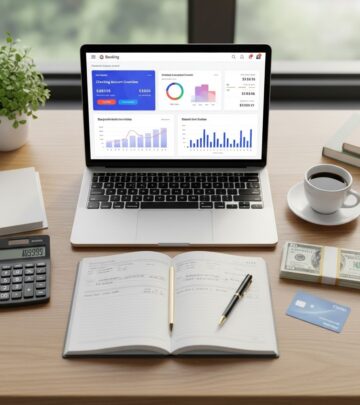
Modern checking accounts provide detailed transaction histories accessible through online banking portals and mobile applications. You can categorize expenses, set spending alerts, and generate reports that illuminate your financial priorities. This level of detail transforms a checking account from a simple transaction vehicle into a financial tracking tool that supports budgeting and planning efforts.
Exploring Different Checking Account Types
Financial institutions offer varied checking account structures to accommodate different banking preferences and financial situations. Understanding these options helps you select an account that matches your specific needs and usage patterns.
Traditional Branch-Based Checking Accounts
Traditional checking accounts maintain physical bank locations where customers can conduct face-to-face transactions with bank representatives. These accounts typically include check-writing capabilities, debit card access, and ATM privileges. The trade-off involves potential monthly fees and minimum balance requirements, though fee structures vary significantly among institutions.
Online-Only Checking Accounts
Banks operating exclusively online eliminate the overhead associated with physical locations, often translating into reduced or eliminated monthly fees for customers. These accounts provide full digital banking capabilities through websites and mobile applications, enabling customers to manage their finances from anywhere with internet access. While lacking physical branch locations, online accounts frequently offer competitive interest rates and lower fee structures.
Joint Checking Accounts
Joint accounts accommodate multiple account holders who share access to the same funds. This structure works well for married couples managing household finances together, parents supporting college-age children, or business partners handling shared expenses. Joint accounts can increase FDIC insurance coverage when structured appropriately, providing additional protection for combined funds.
Specialized Youth Accounts
Many banks recognize the importance of financial education and offer checking accounts tailored for teenagers and children. These accounts often include parental monitoring features, spending limits, and educational resources that help young people develop healthy financial habits under adult supervision.
Interest-Earning Opportunities in Checking Accounts
While traditional checking accounts typically generate no interest, an increasing number of financial institutions offer interest-bearing checking accounts that allow your balance to generate modest returns. Interest rates on checking accounts remain substantially lower than savings account rates, reflecting the liquid nature of checking accounts and their intended use for frequent transactions.
Interest-earning checking accounts often require higher minimum balances or impose specific conditions to qualify for premium rates. Some accounts reward customers who meet activity thresholds, such as maintaining a minimum number of debit card transactions per month or enrolling in electronic statements. These structured accounts combine transaction flexibility with wealth-building potential for customers who maintain sufficient balances.
Fee Considerations and Cost-Saving Strategies
Monthly maintenance fees represent a primary consideration when evaluating checking accounts. However, surveys indicate that nearly half of non-interest checking accounts charge no monthly service fee. Many institutions waive fees for customers who establish direct deposit arrangements, maintaining automatic recurring deposits that demonstrate account activity and financial stability.
Beyond monthly fees, ATM fees warrant careful consideration. Banks that participate in nationwide ATM networks or offer fee reimbursement programs minimize out-of-network charges. Some financial institutions reimburse customers up to specific monthly amounts for ATM fees incurred at competing banks, effectively providing free cash withdrawals regardless of location.
Enhanced Features and Digital Banking Innovations
Modern checking accounts increasingly include advanced features that extend beyond traditional transaction processing. Real-time account alerts notify customers of significant transactions, low balances, or potential fraudulent activity. These notifications enable rapid response to unusual account activity, enhancing security and providing immediate awareness of your financial status.
Mobile banking applications have revolutionized account access, enabling customers to manage finances from smartphones and tablets. Features include mobile check deposits, bill payment functionality, peer-to-peer transfers, and comprehensive account viewing. Some applications incorporate spending analysis tools that categorize expenses and provide insights into consumption patterns.
Comparing Features: A Quick Reference Guide
| Account Feature | Traditional Accounts | Online Accounts | Interest-Bearing Accounts |
|---|---|---|---|
| Physical Locations | Yes | No | Varies |
| Monthly Fees | Common | Rare | Possible |
| Interest Earnings | No | Sometimes | Yes |
| Check Writing | Yes | Often | Yes |
| Debit Card | Yes | Yes | Yes |
Selection Criteria for Identifying Your Ideal Account
Choosing the right checking account requires evaluating your banking habits and financial priorities. Consider how frequently you visit physical locations, whether you require check-writing capabilities, and your preferred interaction methods. Assess your typical account balance to determine if you can meet minimum balance requirements without hardship.
Evaluate the ATM network accessibility and whether out-of-network fees would impact your banking experience. For those considering interest earnings, compare available rates across institutions, keeping in mind that checking account interest rates remain modest. Investigate sign-up bonuses offered by various banks, which can range from nominal amounts to several hundred dollars for new accounts that meet deposit or activity requirements.
Frequently Asked Questions
What distinguishes a checking account from a savings account?
Checking accounts prioritize frequent access and transaction flexibility, while savings accounts emphasize long-term wealth accumulation with restricted withdrawal privileges. Checking accounts typically offer lower or no interest rates, while savings accounts often provide higher returns.
Can I earn interest on a checking account?
Yes, certain checking accounts offer interest-bearing options, though rates remain substantially lower than savings accounts. These accounts may require higher minimum balances or specific activity thresholds to qualify for interest earnings.
What protection does FDIC insurance provide?
FDIC insurance protects checking account deposits up to federal limits, safeguarding your funds against loss due to bank failure. This protection applies to most accounts held at traditional banks and provides critical security for your stored funds.
Are there checking accounts without monthly fees?
Yes, many banks offer fee-free checking accounts. Some eliminate fees entirely, while others waive monthly charges for customers who establish direct deposit or maintain minimum balance requirements.
How quickly does direct deposit make funds available?
Direct deposit typically makes funds available on payday or within one business day. Some banks offer early direct deposit programs that provide access to funds up to two days before the official payday.
Final Considerations for Checking Account Selection
Selecting a checking account represents an important financial decision that influences your banking experience and account management efficiency. By understanding the various features, account types, and benefits available, you can identify an account structure that aligns with your lifestyle, financial goals, and banking preferences. Whether prioritizing minimal fees, interest earnings, physical branch access, or digital convenience, checking accounts offer flexible solutions that accommodate diverse financial needs and banking styles.
References
- Benefits of Having a Checking Account — Chase Bank. https://www.chase.com/personal/banking/education/basics/checking-account-benefits
- Checking Accounts: Advantages & Disadvantages — Capital One. https://www.capitalone.com/bank/money-management/banking-basics/benefits-of-checking-accounts/
- Comparing Checking Accounts: 7 Top Features To Look For — Bankrate. https://www.bankrate.com/banking/checking/compare-checking-accounts-top-features/
- 8 Checking Account Features & Tips — Better Money Habits, Bank of America. https://bettermoneyhabits.bankofamerica.com/en/personal-banking/checking-account-information
- What Are the Most Important Features in a Checking Account? — California Credit Union League (CACCU). https://www.caccu.org/what-are-the-most-important-features-in-a-checking-account/
Similar Articles








Read full bio of Sneha Tete