Checking Account: Definition, Features & How It Works
Understanding checking accounts: Essential banking tools for everyday transactions and money management.

What Is a Checking Account?
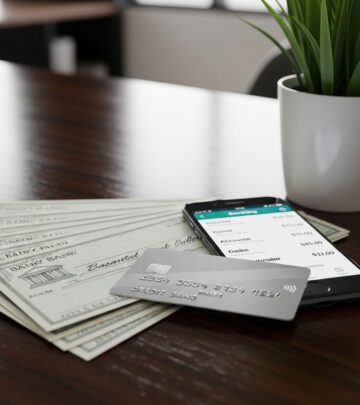
A checking account is a deposit account held at a bank or credit union that allows individuals and businesses to deposit and withdraw money on demand. Unlike savings accounts, which are designed primarily for accumulating funds over time, checking accounts are structured for frequent, everyday transactions. These accounts are sometimes referred to as demand deposit accounts because account holders can access their funds whenever they choose, typically through checks, debit cards, electronic transfers, or cash withdrawals at automated teller machines (ATMs).
Checking accounts serve as the foundation of personal banking for millions of consumers worldwide. They provide a secure place to store money while offering convenient access for paying bills, making purchases, and receiving direct deposits from employers. The primary purpose of a checking account is to facilitate routine financial transactions rather than to generate significant interest income for the account holder.
Key Features of Checking Accounts
Checking accounts come with several distinctive features that make them uniquely suited for everyday banking needs:
Unlimited Deposits and Withdrawals
One of the defining characteristics of checking accounts is the ability to make unlimited deposits and withdrawals without facing penalties or restrictions. This unlimited access distinguishes checking accounts from many savings accounts, which may limit the number of monthly withdrawals. Account holders can deposit paychecks, make cash deposits, receive transfers, and withdraw funds as frequently as needed.
Check-Writing Capability
Checking accounts typically include the ability to write checks, a traditional payment method that remains relevant for certain transactions such as rent payments, bill payments, and business expenses. While digital payment methods have become increasingly popular, check-writing remains an important feature for many account holders, particularly older generations and in situations where other payment methods are not accepted.
Debit Card Access
Most modern checking accounts come with a debit card linked directly to the account. Debit cards provide convenient access to account funds at retail merchants, online retailers, and ATMs. Unlike credit cards, debit card transactions draw directly from the checking account balance, making them an effective tool for managing spending and avoiding debt accumulation.
Electronic Transfer Capabilities
Contemporary checking accounts facilitate electronic money transfers through multiple channels, including Automated Clearing House (ACH) transfers, wire transfers, and peer-to-peer payment platforms. These digital transfer methods enable account holders to send and receive money quickly and securely without writing checks or withdrawing cash.
Direct Deposit Option
Many employers and government agencies offer direct deposit, allowing them to automatically deposit funds directly into an employee’s or beneficiary’s checking account. Direct deposit provides convenience, security, and faster access to funds compared to traditional paper checks.
Types of Checking Accounts
Financial institutions offer various checking account options tailored to different customer needs and circumstances:
Basic or Standard Checking Accounts
Basic checking accounts are the most straightforward option, offering fundamental features such as debit card access, check writing, and electronic transfers. These accounts typically have minimal opening balance requirements and lower monthly fees, making them accessible to consumers of all income levels.
Premium or Interest-Bearing Checking Accounts
Premium checking accounts often include additional benefits such as interest payments on the account balance, higher transaction limits, and waived fees for premium customers. These accounts typically require higher minimum balances but reward account holders with modest interest rates and enhanced services.
Rewards Checking Accounts
Some financial institutions offer checking accounts with rewards programs that provide cash back on debit card purchases, bonus interest rates when certain conditions are met, or other incentives. These accounts appeal to active account holders who frequently use their debit cards for transactions.
Online Checking Accounts
Online banks and digital financial institutions offer checking accounts with lower fees and higher interest rates than traditional brick-and-mortar banks. These accounts operate entirely online, eliminating the overhead costs associated with physical branch locations.
Student Checking Accounts
Banks often offer specialized checking accounts designed for college students, typically featuring reduced or waived monthly fees, lower minimum balance requirements, and features tailored to student needs.
Checking Account Fees and Costs
While checking accounts provide valuable banking services, they often come with various fees that account holders should understand:
- Monthly Maintenance Fees: Many banks charge a monthly fee to maintain a checking account, though this fee may be waived if the account meets certain criteria, such as maintaining a minimum balance or setting up direct deposit.
- Overdraft Fees: When an account holder attempts to withdraw more money than available in their account, banks may allow the transaction and charge an overdraft fee, typically ranging from $25 to $35 per occurrence.
- ATM Fees: Using ATMs outside the bank’s network may result in fees charged by either the account holder’s bank or the ATM operator.
- Check Printing Fees: Banks may charge for providing blank checks, though this cost has become less common as digital payments have increased.
- Wire Transfer Fees: Sending funds via wire transfer typically incurs a fee, often between $15 and $50 depending on the destination.
- Account Inactivity Fees: Some banks charge fees if an account remains inactive for an extended period without deposits or withdrawals.
- Stop Payment Fees: Requesting the bank to stop payment on a check may result in a fee.
Benefits of Having a Checking Account
Checking accounts provide numerous advantages for personal financial management:
Financial Organization and Record-Keeping
Maintaining a checking account creates a documented record of income and expenses, facilitating budgeting and financial planning. Monthly statements provide detailed transaction histories that help account holders track spending patterns and identify areas for financial improvement.
Payment Convenience
Checking accounts offer multiple convenient payment methods for various situations. Whether paying through checks, debit cards, online transfers, or mobile payment apps, account holders can select the most appropriate payment method for each transaction.
Direct Deposit Security
Direct deposit eliminates the risks associated with carrying physical paychecks and provides faster fund availability. Employers and government agencies increasingly encourage direct deposit as a secure, efficient payment method.
FDIC Protection
Checking accounts at FDIC-insured banks provide deposit insurance protection of up to $250,000 per account holder, offering security and peace of mind regarding fund safety.
Building Financial History
Regular checking account activity helps establish financial credibility and history, which may be useful when applying for credit, mortgages, or other financial products.
Checking Accounts vs. Savings Accounts
While both are common deposit accounts, checking and savings accounts serve different purposes:
| Feature | Checking Account | Savings Account |
|---|---|---|
| Primary Purpose | Frequent, everyday transactions | Accumulating funds over time |
| Withdrawal Limits | Unlimited | Limited (typically 6 per month) |
| Interest Rate | Typically 0% or minimal | Modest interest earned on balance |
| Check Writing | Available | Not typically available |
| Debit Card Access | Standard feature | Usually not provided |
| Minimum Balance | Often lower or none | May be higher |
How to Open a Checking Account
Opening a checking account is a straightforward process that can typically be completed in person or online:
In-Person at a Bank or Credit Union
Visit a local branch with a valid government-issued ID, proof of address, and initial deposit. A bank representative will help complete the application and explain account features and terms.
Online Account Opening
Many banks allow account opening entirely online through their website or mobile app. The process typically requires providing personal information, verifying identity, and setting up login credentials.
Required Information
Financial institutions typically require name, date of birth, Social Security number, current address, phone number, and email address. Some institutions may perform a credit check or review banking history through ChexSystems, a banking verification service.
Managing Your Checking Account
Effective checking account management involves several important practices:
Maintaining Adequate Balance
Keeping sufficient funds in a checking account prevents overdraft situations and associated fees. Many account holders maintain a buffer of several hundred dollars above necessary expenses.
Monitoring Transactions
Regularly reviewing account statements helps identify unauthorized transactions, errors, or fraudulent activity. Most banks allow online access to account activity, enabling real-time monitoring.
Setting Up Automatic Payments
Automating recurring bill payments ensures timely payment while reducing administrative burden. Many billers and banks offer automatic payment scheduling.
Protecting Account Information
Safeguarding passwords, PINs, and account numbers prevents unauthorized access. Using strong passwords, enabling two-factor authentication, and avoiding public Wi-Fi for banking transactions enhance security.
Frequently Asked Questions (FAQs)
Q: Is there a limit to how much money I can keep in my checking account?
A: No, there is no legal limit to the amount of money you can keep in a checking account. However, FDIC insurance coverage is limited to $250,000 per depositor, per bank. Amounts exceeding this threshold are not federally insured.
Q: Can I earn interest on a checking account?
A: Most traditional checking accounts earn little to no interest. However, some banks, particularly online institutions, offer interest-bearing checking accounts with competitive rates. Premium checking accounts may also provide modest interest earnings.
Q: What should I do if I notice fraud on my checking account?
A: Contact your bank immediately to report fraudulent transactions. Under federal law, you have liability protections if you report fraud promptly. The bank will investigate and typically reimburse unauthorized transactions.
Q: Can I have multiple checking accounts?
A: Yes, you can maintain multiple checking accounts at the same or different financial institutions. Some individuals use separate accounts for different purposes, such as personal and business expenses.
Q: What happens if my bank fails?
A: If your bank fails and is FDIC-insured, your deposits up to $250,000 are protected and will be transferred to another institution or you will receive compensation. Credit unions have similar protections through the National Credit Union Administration (NCUA).
Q: Is it better to keep all my money in a checking account?
A: Most financial advisors recommend maintaining a diversified approach. Use checking accounts for immediate transaction needs and emergency funds, while depositing longer-term savings in interest-bearing accounts such as savings accounts, money market accounts, or certificates of deposit.
References
- Consumer Financial Protection Bureau – Checking Accounts — Consumer Financial Protection Bureau (CFPB), U.S. Department of the Treasury. 2024. https://www.consumerfinance.gov/consumer-tools/money/
- Federal Deposit Insurance Corporation – Deposit Insurance Coverage — Federal Deposit Insurance Corporation (FDIC). 2025. https://www.fdic.gov/resources/deposit-insurance/
- Office of the Comptroller of the Currency – Demand Deposit Accounts — U.S. Department of the Treasury, Office of the Comptroller of the Currency (OCC). 2024. https://www.occ.treas.gov/
- American Bankers Association – Personal Banking Guide — American Bankers Association. 2024. https://www.aba.com/
- Board of Governors of the Federal Reserve System – Payment Systems — Federal Reserve. 2024. https://www.federalreserve.gov/paymentsystems/
Similar Articles








Read full bio of medha deb