Checkbook: Definition, Uses, and Modern Banking
Understanding checkbooks: Essential guide to checks, banking, and financial management.
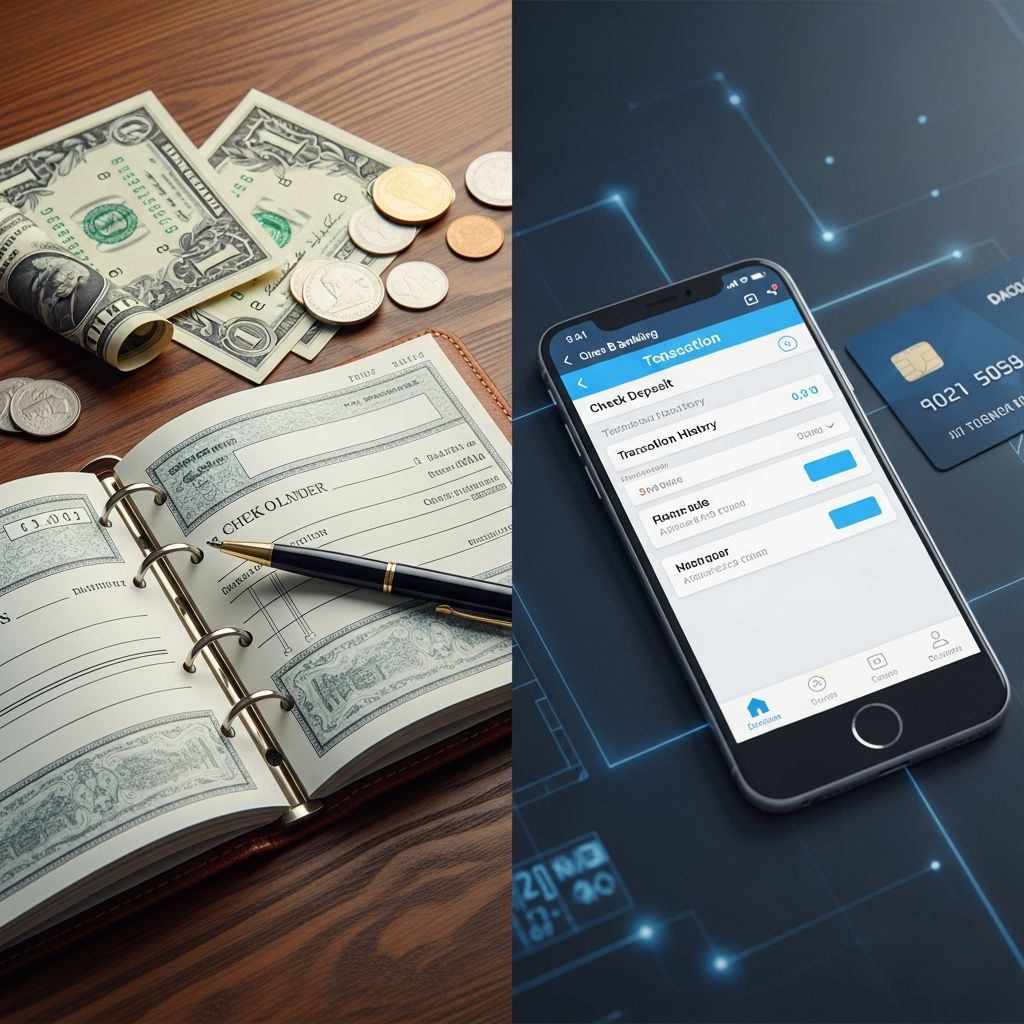
A checkbook is a small booklet containing blank checks that allows individuals and businesses to pay bills, make purchases, and transfer funds from their bank accounts without using cash or digital payment methods. Despite the rise of digital banking and electronic payment systems, checkbooks remain a relevant financial tool for many people worldwide. Understanding what a checkbook is, how it works, and when to use it can help you manage your finances more effectively and maintain better control over your spending.
What Is a Checkbook?
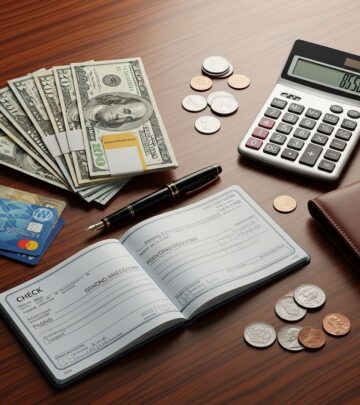
A checkbook is a bound collection of checks issued by a financial institution to account holders. Each check is a written financial instrument that instructs a bank to pay a specified amount of money to a designated payee from the account holder’s checking account. The checkbook typically includes a series of consecutively numbered checks, with each check containing important information such as the account holder’s name, address, account number, and the bank’s routing number.
Checks have been a fundamental payment method for centuries and continue to serve as a reliable means of conducting financial transactions. A standard checkbook contains multiple checks, usually ranging from 25 to 100 checks per book, depending on the customer’s needs and the bank’s offerings. When you exhaust your supply of checks, you can order replacement checkbooks directly from your bank or through third-party check printing companies.
Key Components of a Checkbook
Understanding the various elements of a checkbook helps you use checks correctly and maintain accurate financial records. Here are the essential components:
The Check Itself
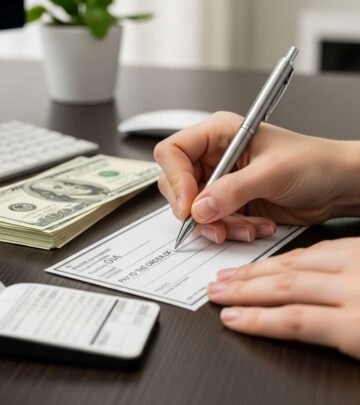
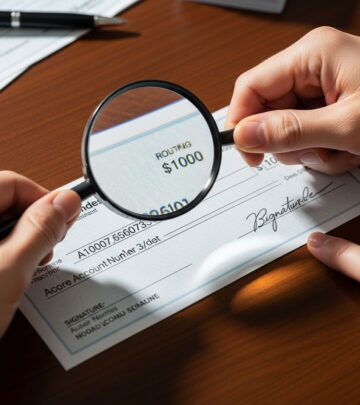
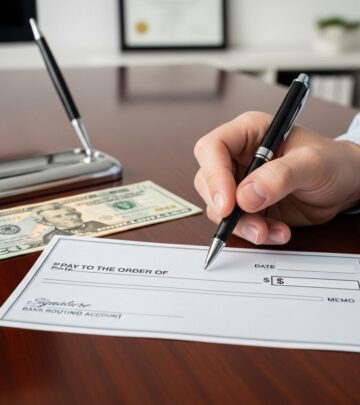
Each check contains several critical elements. The check number appears in the upper right corner and in the lower left corner, allowing you to track individual checks. The date field indicates when you wrote the check, and the payee line specifies who will receive the payment. The amount box displays the numerical value of the payment, while the written amount field requires you to spell out the amount in words. The memo line allows you to note the purpose of the payment, such as “Rent” or “Utilities.” Finally, the signature line requires your authorized signature to make the check valid.
The Checkbook Register
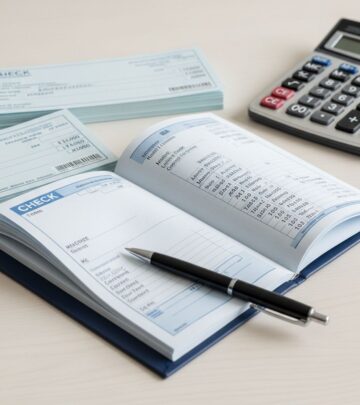
Most checkbooks include a register—a record-keeping tool where you document all transactions related to your checking account. The register typically contains columns for the check number, date, payee, amount, and a running balance. By maintaining an accurate register, you create a personal record of all money entering and leaving your account, which is essential for budgeting, reconciliation, and financial planning.
How a Checkbook Works
Using a checkbook involves several straightforward steps. When you need to make a payment, you fill out a blank check with the required information: today’s date, the payee’s name, the payment amount (in both numerical and written form), and your signature. You then provide the check to the payee or mail it to them. The payee deposits or cashes the check at their bank, which processes it through the banking system. Your bank then deducts the check amount from your account balance and records the transaction.
The entire process typically takes several business days, which is one reason checks are slower than electronic payments. However, this delay can be advantageous when managing cash flow, as you have time between writing a check and the funds being withdrawn from your account. This feature has made checks particularly useful for businesses managing large payments and individuals who need to coordinate their finances strategically.
Advantages of Using a Checkbook
Despite the popularity of digital payment methods, checkbooks offer several significant advantages that keep them relevant in modern banking:
- Formal Documentation: Checks provide a paper trail and written record of payment, which is useful for tracking expenses, substantiating business transactions, and maintaining audit trails for tax purposes.
- Security: Checks can be made payable only to a specific recipient, reducing the risk of fraud compared to paying with cash. Additionally, if a check is lost or stolen, you can stop payment and issue a replacement.
- Flexibility: You can write checks for any amount and schedule payments for future dates by post-dating checks, allowing better control over your cash flow.
- Acceptance: Many organizations, particularly landlords, utilities, and government agencies, still prefer receiving payments by check because of the documentation it provides.
- Budget Control: The process of writing checks forces you to think carefully about expenditures and can help you maintain better control over your spending habits.
- No Technology Required: Unlike digital payments, checks do not require internet access or electronic devices, making them accessible to everyone regardless of technological capability.
Disadvantages of Using a Checkbook
While checkbooks remain useful, they also have notable limitations in today’s fast-paced financial environment:
- Processing Time: Checks typically take several business days to clear, making them slower than electronic payments, wire transfers, or digital payment apps.
- Record Keeping: Maintaining accurate checkbook registers requires discipline and attention to detail. Many people fail to record all transactions, leading to accounting errors and overdrafts.
- Cost: Banks may charge fees for ordering checks, and some financial institutions charge for check processing or printing replacement checkbooks.
- Environmental Impact: Checks require paper, printing, and postal services, making them less environmentally friendly than digital alternatives.
- Risk of Loss or Damage: Physical checkbooks can be lost, damaged, or stolen, and blank checks in the wrong hands can lead to fraud.
- Limited Tracking: While bank statements show cleared checks, real-time tracking of pending checks can be challenging compared to digital payment methods.
Modern Alternatives to Traditional Checkbooks
Today’s banking landscape offers numerous alternatives to traditional checkbooks for making payments:
Digital Banking and Online Bill Pay
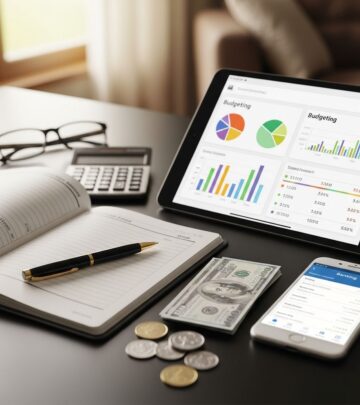
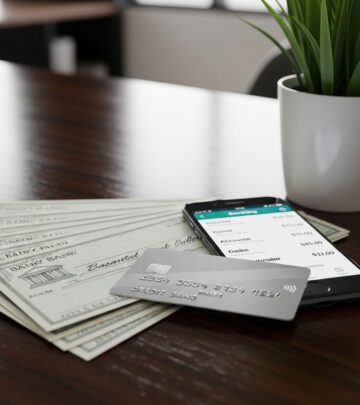
Most banks now offer online bill pay services through their digital banking platforms, allowing customers to schedule and send payments electronically without writing physical checks. This method is faster, more secure, and provides immediate confirmation of payment.
Debit Cards
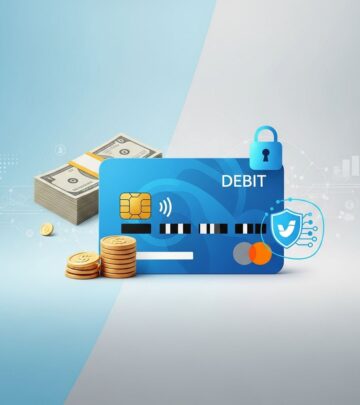
Debit cards allow instant access to funds without writing checks or carrying cash. They offer real-time transaction tracking and are widely accepted at retailers, restaurants, and online merchants.
Mobile Payment Apps
Applications like Venmo, PayPal, Square Cash, and Apple Pay enable quick peer-to-peer payments and purchases using smartphones. These apps often provide faster processing and better transaction tracking than traditional checks.
Wire Transfers and ACH Payments
For larger transactions or time-sensitive payments, wire transfers and Automated Clearing House (ACH) transfers offer secure, efficient alternatives to checks, though they may carry higher fees.
When to Use a Checkbook
Despite the availability of alternatives, certain situations still call for using a checkbook:
- Large Payments: Checks remain the preferred method for significant transactions such as rent, mortgage payments, or large purchases where documentation is important.
- Formal Payments: Government agencies, legal entities, and formal institutions often require payment by check.
- Splitting Bills: In some situations, particularly with shared expenses or specific billing arrangements, checks provide clear documentation of individual payments.
- Payment Records: When you need a formal written record of payment for accounting, tax, or legal purposes, checks provide indisputable proof of transaction.
Managing Your Checkbook Effectively
To use your checkbook responsibly and avoid financial problems, follow these best practices:
Record Every Transaction
Immediately after writing a check, record the transaction in your checkbook register with the check number, date, payee name, and amount. Include debit card charges, transfers, and electronic payments as well to maintain an accurate balance.
Balance Your Account Regularly
Reconcile your checkbook register with your monthly bank statement to identify discrepancies, verify that all transactions are accurate, and catch any unauthorized charges or errors. This practice helps prevent overdrafts and identifies fraud quickly.
Monitor Your Balance
Always know your available balance before writing checks. Keep track of pending checks that haven’t cleared yet, as they will eventually be deducted from your account. Many banks provide both current balance and available balance to help with this.
Protect Your Checkbook
Store your checkbooks in a safe location and never leave them unattended. Report lost or stolen checkbooks to your bank immediately. Never leave completed checks on display or share your account information with untrusted parties.
Frequently Asked Questions
Q: Do I still need a checkbook if I have online banking?
A: While online banking is convenient for many transactions, some situations still require physical checks, particularly for rent, mortgage payments, and formal business transactions. Having a small supply of checks provides flexibility even if you primarily use digital methods.
Q: How long does it take for a check to clear?
A: Most checks clear within 2-3 business days after being deposited, though some may take longer depending on the banks involved and the amount. The Federal Reserve’s check clearing regulations establish standards for processing times.
Q: Can I stop payment on a check?
A: Yes, you can contact your bank to place a stop payment order on a specific check if it hasn’t been deposited yet. However, banks typically charge a fee for this service, usually between $20-$35.
Q: What happens if I write a check for more than I have in my account?
A: If you write a check for an amount exceeding your account balance (insufficient funds), your bank may either reject the check or pay it and charge you an overdraft fee, typically ranging from $25-$35 depending on your bank’s policies.
Q: Are personal checks still accepted everywhere?
A: Most retailers no longer accept personal checks in-store, preferring debit cards or digital payments. However, checks remain widely accepted for bill payments, rent, mortgages, and other formal transactions.
Q: How do I order replacement checks?
A: You can order checks directly from your bank, through their online banking portal, or from third-party check printing companies. Most orders arrive within 7-10 business days, though expedited options are available for additional fees.
Conclusion
A checkbook remains a valuable financial tool despite the digital revolution in banking. While modern payment methods offer convenience and speed, checks provide documentation, security, and acceptance in situations where other payment methods may not work. Understanding how to use a checkbook responsibly, maintaining accurate records, and knowing when checks are the appropriate payment method will help you manage your finances effectively. Whether you rely on checks regularly or use them occasionally, a basic understanding of how checkbooks function ensures you can make informed decisions about your payment methods and maintain better control over your money.
References
- How to Balance a Checkbook — Capital One. 2025. https://www.capitalone.com/bank/money-management/banking-basics/how-to-balance-a-checkbook/
- Federal Reserve: Check 21 Act — Board of Governors of the Federal Reserve System. https://www.federalreserve.gov/
- Banking Basics: Understanding Checking Accounts — Consumer Financial Protection Bureau (CFPB). https://www.consumerfinance.gov/
Similar Articles








Read full bio of Sneha Tete