Check Washing: 5-Step Recovery And Prevention Guide
Discover the dangers of check washing, a rising check fraud threat, and master proven strategies to safeguard your finances from thieves targeting your mail.

Check washing represents a sophisticated yet disturbingly simple form of financial crime that preys on the continued use of paper checks in an increasingly digital world. Criminals steal checks from unsecured locations, chemically erase key details like the payee and amount, and rewrite them for their own gain. This fraud has surged in recent years, costing victims millions and highlighting vulnerabilities in traditional payment methods.
The Mechanics Behind Check Washing
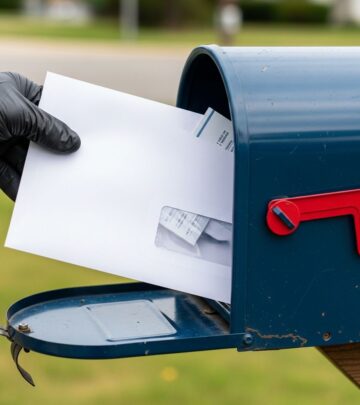
At its core, check washing exploits the solubility of standard inks used in everyday pens. Thieves begin by targeting mailboxes—a practice known as ‘mailbox fishing’—to snatch outgoing checks containing valuable personal or business funds. Once in possession, they apply common household chemicals such as acetone, brake fluid, or bleach to dissolve the ink on the payee line and dollar amount without damaging the paper or the all-important signature.
To preserve the signature’s integrity, fraudsters often cover it with low-tack tape before the chemical bath. After the ink lifts away, the check dries into a pristine blank slate, signed and ready for rewriting with inflated amounts or new recipients. These altered instruments are then deposited into accounts controlled by the criminals or sold on underground markets for profit. The victim remains unaware until the fraudulent transaction posts, often weeks later.
- Chemical agents commonly used: Acetone (nail polish remover), paint thinners, bleach
- Targeted elements: Payee name, numerical and written amount
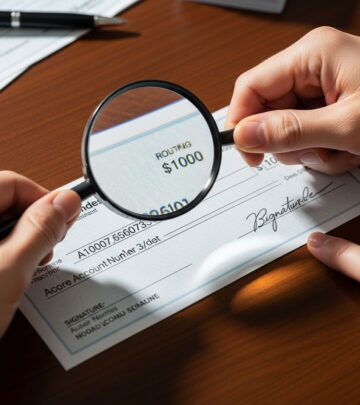
- Preserved features: Signature, bank routing/account numbers, check stock security features
This method’s low barrier to entry makes it accessible to opportunistic thieves, but organized rings amplify the damage by scaling operations through online sales of blank checks paired with stolen personal data.
Why Check Washing is Surging Nationwide
Recent data underscores the explosive growth of this crime. In certain regions like Illinois, reported incidents skyrocketed over 200% from 2014 to 2022, with more than 17,000 cases in just ten months of one year alone. Nationally, the U.S. Postal Inspection Service recovers over $1 billion in counterfeit and altered checks annually, with check washing comprising a significant portion.
The Financial Crimes Enforcement Network (FinCEN) has issued alerts on mail theft-driven check fraud, noting its nationwide scope. Business accounts prove especially lucrative targets due to higher balances and less frequent monitoring. Criminals leverage stolen checks to open fake business entities mimicking legitimate names, funneling funds into newly created accounts. Personal checks expose routing and account numbers, enabling broader identity theft like unauthorized loans or credit lines.
| Year/Period | Reported Cases (Example Region) | Increase |
|---|---|---|
| 2014 Baseline | Low thousands | – |
| 2021 | ~13,000 (IL) | 31% YoY |
| 2022 (10 months) | >17,000 (IL) | >200% since 2014 |
Factors fueling this rise include persistent check usage for bills, refunds, and benefits; unsecured blue collection boxes vulnerable to glue traps; and digital tools for rapid resale of washed blanks.
Real-World Impacts on Individuals and Businesses
The fallout from check washing extends beyond immediate losses. Individuals face drained accounts, disrupted payments, and credit damage from associated identity crimes. Recovery timelines stretch due to bank investigations and legal disputes, leaving victims financially strained.
Businesses suffer amplified harm: reputational blows from bounced payments, operational halts from fraud probes, and heightened audit scrutiny. A single washed corporate check can siphon thousands, with chains of fake deposits multiplying losses. Moreover, exposed check data fuels sophisticated follow-on scams, from synthetic identity fraud to ransomware demands.
Financial institutions process billions in checks yearly, but washing incidents erode trust and drive up fraud prevention costs across the system.
Essential Prevention Strategies for Everyday Users
Proactive measures can drastically reduce risk. Shift to electronic alternatives like ACH transfers, wires, or digital wallets for high-value payments—these eliminate physical vulnerabilities entirely.
- Secure delivery: Deposit checks directly at post offices or USPS processing centers, avoiding street mailboxes. Use certified mail for valuables.
- Ink choice: Opt for gel, rollerball, or fountain pens with permanent, chemical-resistant inks. Avoid standard ballpoints.
- Check design: Fill all fields completely, draw lines through unused spaces, and use checks with built-in security like watermarks or microprinting.
- Monitoring: Review statements daily via online banking; enable alerts for check clears.
For personal finance, consider services like Positive Pay analogs offered by some banks, which flag mismatches on incoming check images.
Advanced Protections for Businesses
Companies handling high check volumes need robust systems. Positive Pay stands out: upload check details (amount, payee, number) to your bank pre-issuance. When presented, the bank cross-verifies; discrepancies trigger holds pending approval.
Other tools include:
- Payee Positive Pay: Matches recipient names exactly.
- Check Imaging: Reviews scanned images for alterations.
- ACH Block/Filter: Prevents unauthorized electronic debits.
- Employee training: On fraud recognition and secure handling.
Implement dual controls for check signing and reconcile accounts weekly. Transition to electronic payments where possible—many vendors now mandate them for efficiency.
Legal Framework and Liability Rules
Under the Uniform Commercial Code (UCC) Section 4-401, banks must ensure checks are ‘properly payable’—free from alterations or counterfeits. The depositary bank (where the fraudster deposits) bears primary liability for failing to detect tampering. Drawee banks (yours) have until midnight of the next banking day to return suspect items.
Court precedents like Provident Savings Bank v. Focus Bank (2021) affirm that insufficient evidence of alteration shifts burden back to the claimant, but timely discovery remains key. Victims should notify banks immediately, file police/USPS reports, and dispute via Regulation E if applicable.
Step-by-Step Recovery Guide if Victimized
Act swiftly upon spotting fraud:
- Contact your bank to stop payment and file a claim.
- Report to local police and USPS Inspection Service (uspis.gov).
- Monitor credit reports via AnnualCreditReport.com; place fraud alerts.
- Dispute with ChexSystems if account access is restricted.
- Consult legal aid for UCC disputes if funds aren’t reimbursed.
Most banks reimburse verified washing victims under zero-liability policies, but delays occur in complex cases.
FAQs on Check Washing Fraud
What chemicals do thieves use for check washing?
Common agents include acetone, brake fluid, and bleach, which dissolve standard ballpoint inks rapidly.
How long does it take for a washed check to clear?
Weeks, depending on deposit method and bank processing, allowing undetected fraud.
Are business checks safer?
No—often targeted more due to larger sums, with less oversight.
Can I get my money back?
Yes, typically via bank reimbursement if reported promptly, per UCC rules.
Is check washing declining with digital payments?
No, it’s rising as checks persist for certain transactions.
Future-Proofing Against Evolving Threats
As fraudsters adapt—scanning checks for digital reprints or AI-enhanced forgeries—staying vigilant is paramount. Banks invest in AI detection, but user habits drive true security. Prioritize digital shifts, tech-enabled monitoring, and community awareness to starve criminals of opportunities. By understanding check washing’s playbook, you reclaim control over your financial destiny.
References
- Understanding Check Washing and Steps to Prevent It — Susser Bank. 2023. https://www.susserbank.com/understanding-check-washing-and-steps-to-prevent-it-2/
- Check Washing — Wikipedia. Accessed 2026. https://en.wikipedia.org/wiki/Check_washing
- Check Washing FAQ — Community Savings Bank. 2022. https://www.communitysavingsbank.com/about-us/resources/check-washing-faq
- Check Washing: What You Need to Know — FLB Law. 2023. https://www.flblaw.com/check-washing-what-you-need-to-know/
- Check Washing Scam — Duke Federal Credit Union. 2023. https://www.dukefcu.org/check-washing-scam
- Check Washing — State of Michigan. 2023. https://www.michigan.gov/consumerprotection/protect-yourself/consumer-alerts/scams/check-washing
- Check Washing — United States Postal Inspection Service. 2023. https://www.uspis.gov/news/scam-article/check-washing
Similar Articles








Read full bio of Sneha Tete