Check Engine Light: 5 Common Causes, DIY Diagnosis And Costs
Discover what your check engine light means, how to diagnose it affordably, and when to seek professional help to save money.
The
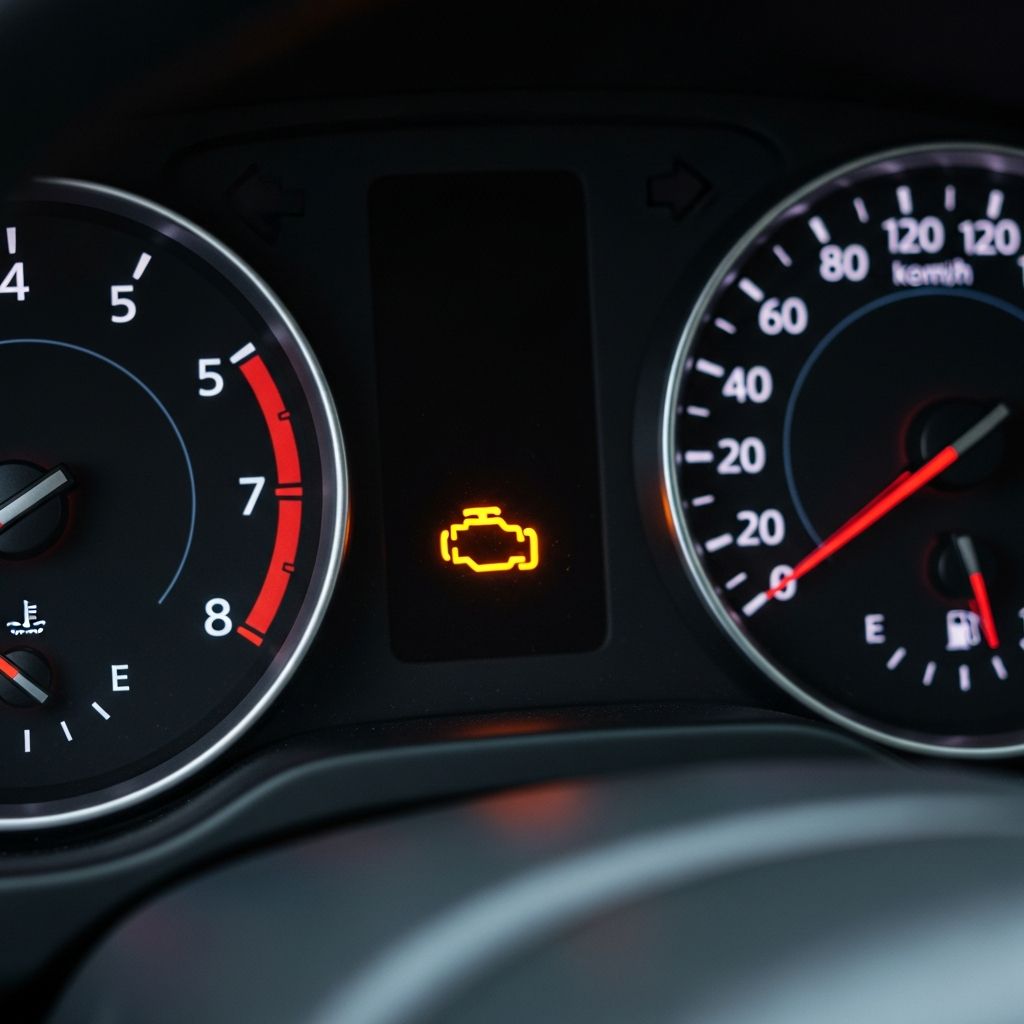
check engine light
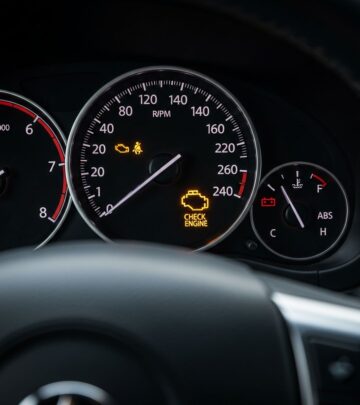
(CEL) glowing on your dashboard can send chills down any driver’s spine. It signals that your vehicle’s onboard diagnostic system has detected an issue, but it doesn’t always mean a trip to the mechanic is imminent—or expensive. Understanding what triggers this light empowers you to troubleshoot affordably and avoid unnecessary costs.According to the National Highway Traffic Safety Administration (NHTSA), the check engine light is part of the On-Board Diagnostics II (OBD-II) system, mandatory in vehicles since 1996, designed to monitor emissions and engine performance. Ignoring it could lead to reduced fuel efficiency or severe damage, costing thousands in repairs. This guide covers causes, diagnosis, fixes, and prevention to help you save money.
What Does the Check Engine Light Mean?
The check engine light indicates a problem with your engine, emissions system, or related components. It’s not always catastrophic—sometimes it’s a loose gas cap. However, steady illumination differs from a flashing light, which demands immediate attention.
- Steady light: Potential minor issue; safe to drive short distances after checking basics.
- Flashing light: Serious misfire or catalyst damage; pull over safely and tow if needed.
Common triggers include faulty oxygen sensors, mass airflow sensors, catalytic converters, or even bad spark plugs. Fuel economy drops by up to 40% with unresolved issues, per EPA estimates.
Common Causes of the Check Engine Light
Here are the top reasons your CEL illuminates, ranked by frequency from mechanic surveys by AAA:
| Cause | Frequency | Avg. Repair Cost |
|---|---|---|
| Loose or faulty gas cap | 20% | $0–$20 |
| Oxygen sensor failure | 15% | $200–$500 |
| Catalytic converter issues | 12% | $1,000–$2,500 |
| Thermostat or coolant temp sensor | 10% | $150–$400 |
| EGR valve problems | 8% | $300–$800 |
Less common culprits: EVAP system leaks, mass airflow sensor dirt, or bad ignition coils. Early detection via codes prevents escalation.
How to Diagnose the Check Engine Light Yourself
Don’t rush to a shop. Start with free or low-cost steps:
- Check the gas cap: Ensure it’s tight. A loose cap causes 1 in 5 CELs. Replace if cracked ($5–$10).
- Inspect basics: Look for loose hoses, low oil, or coolant leaks.
- Read the code: Use an OBD-II scanner ($20–$50 on Amazon) plugged into the port under the dash. Apps like Torque Pro (Android) or OBD Fusion (iOS) decode codes for free.
Common codes: P0171 (lean fuel mix), P0420 (catalyst efficiency), P0300 (random misfire). Auto parts stores like AutoZone scan for free.
Tools You Need for DIY Diagnosis
- OBD-II Scanner: Basic Bluetooth models ($25) pair with phone apps for live data.
- Multimeter: ($15) Tests sensors and wiring.
- Code Reader Apps: Free downloads interpret generic codes; pro versions ($5–$10) show manufacturer-specific ones.
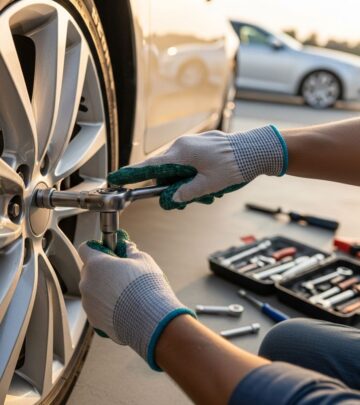
- Basic Toolkit: Screwdrivers, pliers for sensor access.
Investing $50 in tools pays off quickly versus $100+ shop diagnostics.
Can You Reset the Check Engine Light?
Yes, but only after fixing the issue. Resetting without repair masks problems, risking damage. Methods:
- Disconnect battery: Negative terminal for 10–15 minutes. Free but resets radio/clock.
- OBD-II Scanner: Clear codes post-fix ($0 extra).
- Fuse pull: ECM fuse in fuse box (consult manual).
Light may return if root cause persists. Drive cycles (50–100 miles) needed for monitors to reset naturally.
When to Take Your Car to a Mechanic
DIY if code indicates simple fixes like gas cap or air filter. Seek pros for:
- Flashing light.
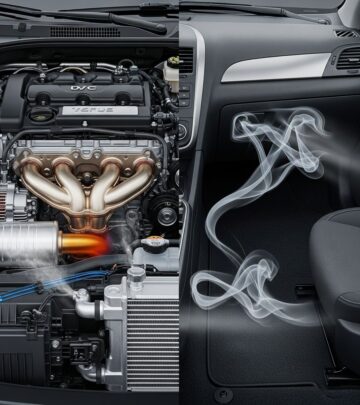
- Accompanying symptoms: rough idle, power loss, smells, smoke.
- Complex codes (e.g., transmission, ABS-related).
- Repeated returns after reset.
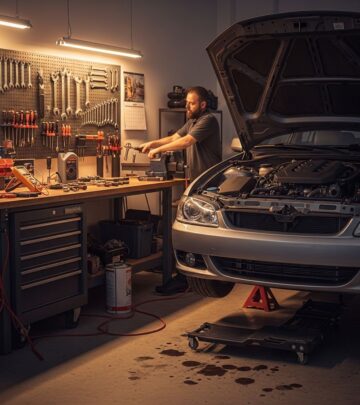
Ask for code printout. Shop fees: $100–$150 diagnostic; use independents over dealers to save 30–50%.
How Much Does It Cost to Fix a Check Engine Light?
Costs vary widely:
| Issue | DIY Cost | Shop Cost |
|---|---|---|
| Gas cap | $10 | $50 |
| O2 sensor | $50–$100 | $250–$600 |
| Spark plugs | $40–$80 | $200–$400 |
| Catalytic converter | N/A | $1,500+ |
Source: AAA Repair Cost Estimator. Parts markup at shops: 100–300%. Buy online (RockAuto) and DIY to halve costs.
Tips to Prevent Check Engine Light Issues
Proactive maintenance saves money:
- Use quality gas; avoid top-tier only if needed.
- Change oil every 5,000 miles; synthetic for high-mileage cars.
- Replace air filter yearly ($15).
- Scan quarterly if high miles driven.
- Fix small issues promptly.
Regular checks catch problems early, per Consumer Reports.
Check Engine Light Myths Busted
- Myth: Ignore if driving fine. It worsens fuel economy 10–30%.
- Myth: Tap light to reset. Ineffective; Hollywood fiction.
- Myth: Always emissions-related. Can be transmission, brakes too.
- Myth: Dealers only fix. Independents cheaper, equally capable.
Frequently Asked Questions (FAQs)
Is it safe to drive with the check engine light on?
If steady and no symptoms, yes—for short trips. Flashing? No, risk engine damage.
How long can you drive with check engine light?
Days to weeks for minor issues; monitor closely. Get codes read ASAP.
Will check engine light reset itself?
Possibly after 50–100 miles if self-clearing (rare), like loose cap fixed.
Does low gas trigger check engine light?
No, but very low can cause EVAP codes.
Can a dirty air filter cause check engine light?
Yes, leads to lean/rich codes (P0171/P0174).
What if check engine light comes on intermittently?
Scan when on; could be loose connection or failing sensor.
Armed with this knowledge, handle your check engine light confidently and economically. Regular vigilance keeps repair bills low and your car reliable.
References
- On-Board Diagnostic Systems — National Highway Traffic Safety Administration. 2023-05-15. https://www.nhtsa.gov/equipment/motor-vehicle-safety-standards#obd
- Fuel Economy Impact of Malfunctioning Emissions Equipment — U.S. Environmental Protection Agency. 2024-02-10. https://www.epa.gov/fuel-economy
- Check Engine Light Repair Costs — AAA. 2025-01-01. https://www.aaa.com/autorepair
- Free Code Scanning Services — AutoZone. 2024-11-20. https://www.autozone.com/diy/diagnostic-trouble-codes
- Car Maintenance Guide — Consumer Reports. 2025-09-05. https://www.consumerreports.org/cars/car-maintenance/
Similar Articles








Read full bio of Sneha Tete