Check Engine Light: 5 Common Causes And What To Do
Discover why your check engine light illuminates, immediate steps to take, and how to prevent costly repairs with this comprehensive guide.
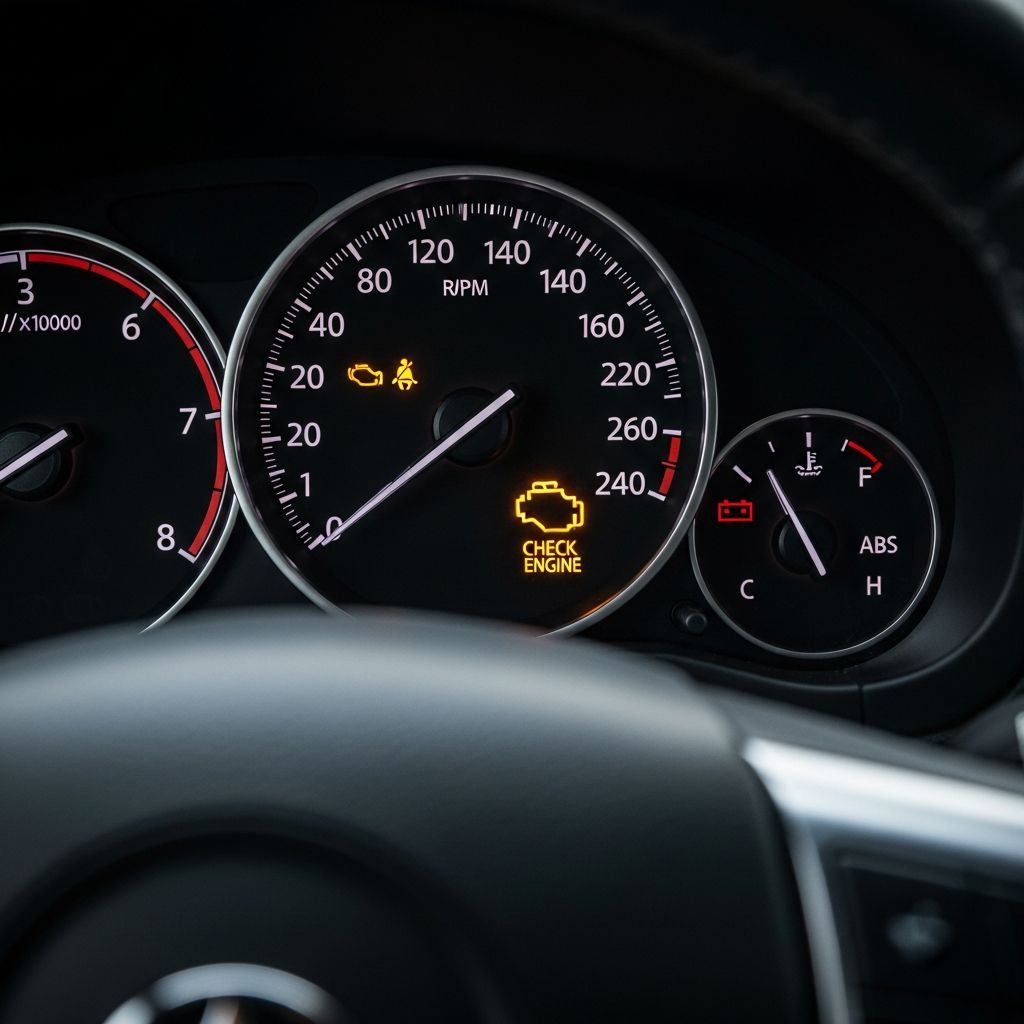
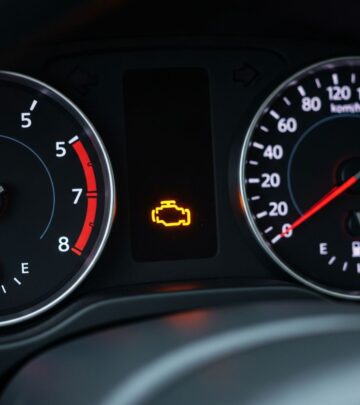
The check engine light, often appearing as a glowing engine silhouette on your dashboard, signals that your vehicle’s onboard diagnostic system has detected an issue. This warning can range from minor inconveniences to serious malfunctions requiring prompt attention. Understanding its triggers and responses ensures vehicle safety and longevity.
Understanding the Dashboard Warning
Modern vehicles use an electronic control unit (ECU) to monitor systems like emissions, fuel delivery, and ignition. When parameters deviate, the ECU activates the check engine light to alert the driver. Ignoring it risks escalated damage, reduced performance, or failed emissions tests.
Typically steady amber indicates manageable issues; blinking signals urgent problems like misfires that could harm the catalytic converter.
Immediate Actions When the Light Activates
Spotting the light demands calm, methodical steps:
- Safely pull over: Find a secure location to stop and assess.
- Check basics: Inspect the gas cap for tightness—listen for clicks when securing it, as looseness is a frequent culprit.
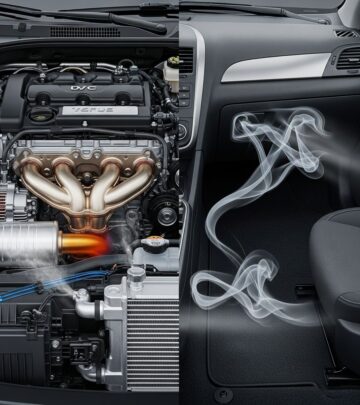
- Observe symptoms: Note rough idling, poor acceleration, or unusual odors for diagnosis clues.
- Avoid long drives: Limit operation to reach a mechanic, especially if blinking.
Restarting the engine may temporarily extinguish the light for transient faults, but recurrence warrants professional scanning.
Top Triggers Behind the Illumination
Numerous components can provoke this alert. Here’s a breakdown of prevalent causes with symptoms and implications.
| Cause | Symptoms | Potential Impact |
|---|---|---|
| Loose or Damaged Gas Cap | No immediate drivability issues | Evaporative emissions leak; easy DIY fix |
| Faulty Oxygen (O2) Sensor | Poor fuel economy, exhaust odor | Rich/lean fuel mixture; damages catalytic converter |
| Bad Spark Plugs or Coils | Misfires, jolting acceleration | Engine inefficiency; cascading failures |
| Catalytic Converter Failure | Sulfur smell, reduced power | High repair costs; emissions non-compliance |
| Emissions System Issues | Dark smoke, rumbling | Regulatory violations; performance loss |
1. Fuel System Faults
A loose gas cap disrupts vapor containment, fooling sensors into detecting leaks. Beyond caps, contaminated fuel or clogged filters starve the engine, prompting the light. Replacement caps cost little and install easily.
2. Sensor Malfunctions
Oxygen sensors gauge exhaust oxygen to optimize fuel-air ratios. Failures from heat exposure or contamination lead to inefficient combustion and excess emissions. Mass airflow (MAF) sensors similarly affect mixture control.
3. Ignition Component Wear
Spark plugs ignite fuel; worn ones cause incomplete burns. Ignition coils amplify voltage—faults yield misfires felt as hesitation. Lifespans vary: 75,000-200,000 km.
4. Exhaust and Emissions Problems
Catalytic converters neutralize toxins but clog or melt from upstream issues. Exhaust gas recirculation (EGR) valves reduce NOx; blockages trigger alerts. Leaks in exhaust amplify sensor errors.
5. Other Mechanical Culprits
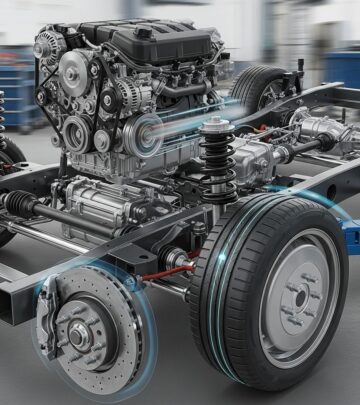
Vacuum hose cracks cause unmetered air entry, upsetting idle. Thermostats regulate coolant; failures overheat engines indirectly. Wiring corrosion disrupts signals, especially in ignition/exhaust circuits. Transmission or oil issues occasionally interface via ECU.
Diagnostic Methods for Accurate Troubleshooting
Don’t guess—use tools for precision.
- OBD-II Scanner: Plugs into the port under the dash, reads diagnostic trouble codes (DTCs) like P0420 for catalyst efficiency. Auto parts stores often scan free.
- Visual Inspection: Scan for leaks, damaged wires, or fluid levels.
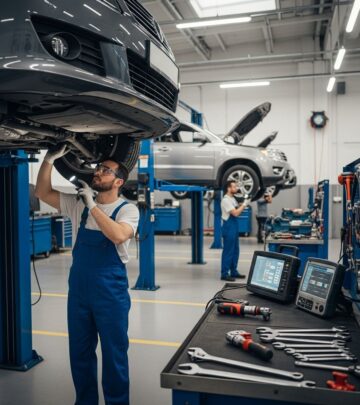
- Professional Tools: Mechanics employ advanced scanners for live data.
Common codes: P0171 (lean condition), P0300 (random misfire), P0442 (small evap leak).
Safe Driving Protocols Post-Alert
Minimize risks:
- Steer clear of highways if performance lags.
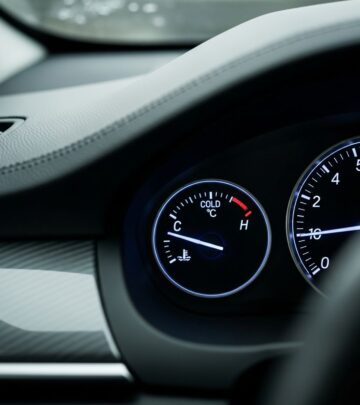
- Monitor temperature and oil gauges.
- Plan shortest route to service.
- Carry emergency kit with flares.
Blinking lights demand immediate stop to avert converter meltdown.
Repair Options and Cost Estimates
| Issue | DIY Feasibility | Avg. Repair Cost |
|---|---|---|
| Gas Cap | High | $10-30 |
| O2 Sensor | Medium | $100-300 |
| Spark Plugs | Medium | $200-500 |
| Catalytic Converter | Low | $1,000-3,000 |
Costs vary by vehicle; labor dominates complex jobs.
Preventive Strategies to Avoid Recurrence
Proactive care dims the light’s chances:
- Adhere to service schedules: oil changes every 5,000-10,000 km.
- Use quality fuel and parts.
- Inspect belts/hoses routinely.
- Clear codes post-repair to reset monitors.
- Pass emissions tests timely.
Regular OBD checks catch issues early.
When to Escalate to Professionals
DIY suits simple fixes; consult experts for:
- Persistent lights post-basics.
- Accompanying warnings (e.g., temp, oil).
- Complex codes needing reflash.
- Post-1996 vehicles mandating certified repairs for warranties.
Dealers excel in model-specific diagnostics.
Frequently Asked Questions
Can I drive with the check engine light on?
Short distances yes if steady and no symptoms; no if blinking or performance drops.
How much does a check engine light diagnosis cost?
Often free at parts stores; $50-150 at shops.
Will it void my warranty if ignored?
Possibly, as neglect exacerbates covered issues.
Does resetting the battery clear the light permanently?
No—resets codes but not root cause; light returns.
Is it always an engine problem?
No, often emissions or sensors.
Long-Term Vehicle Health Tips
Beyond lights, foster reliability:
- Track mileage for intervals.
- Monitor fluid levels monthly.
- Use synthetic oils for durability.
- Address recalls promptly.
Investing here saves thousands versus breakdowns.
References
- The 9 Most Common Causes for the Check Engine Light — Fox Run Auto. Accessed 2026. https://www.foxrunauto.com/blog/the-9-most-common-causes-for-the-check-engine-light
- 11 Common Reasons Your Check Engine Light is On — Braman Miami Hyundai. 2023-01-30. https://www.bramanmiamihyundai.com/blog/2023/january/30/11-common-reasons-your-check-engine-light-is-on.htm
- The Top 5 Reasons Your Check Engine Light May Be On — Haile Car Care (YouTube). 2022-12-30. https://www.youtube.com/watch?v=ze6l8Fx1u2I
- Toyota Check Engine Light On? Common Symptoms & What to Do — AutoNation Toyota Buena Park. Accessed 2026. https://www.autonationtoyotabuenapark.com/service/check-engine-light.htm
- What Does Your Check Engine Light Mean? — Edmunds. Accessed 2026. https://www.edmunds.com/car-maintenance/what-your-check-engine-light-is-telling-you.html
- The Check Engine Light: Common Causes and How To Fix It — AAA. Accessed 2026. https://www.aaa.com/autorepair/articles/check-engine-light
Similar Articles








Read full bio of Sneha Tete