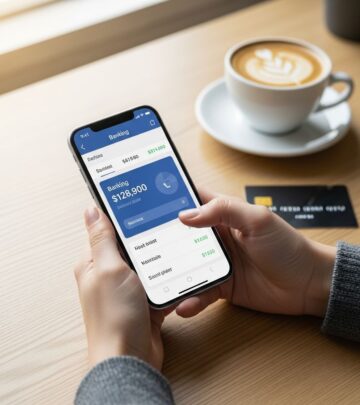
Check Credit Card Balance Easily: Quick Methods And Tips
Master simple methods to monitor your credit card balance and maintain financial control effortlessly.
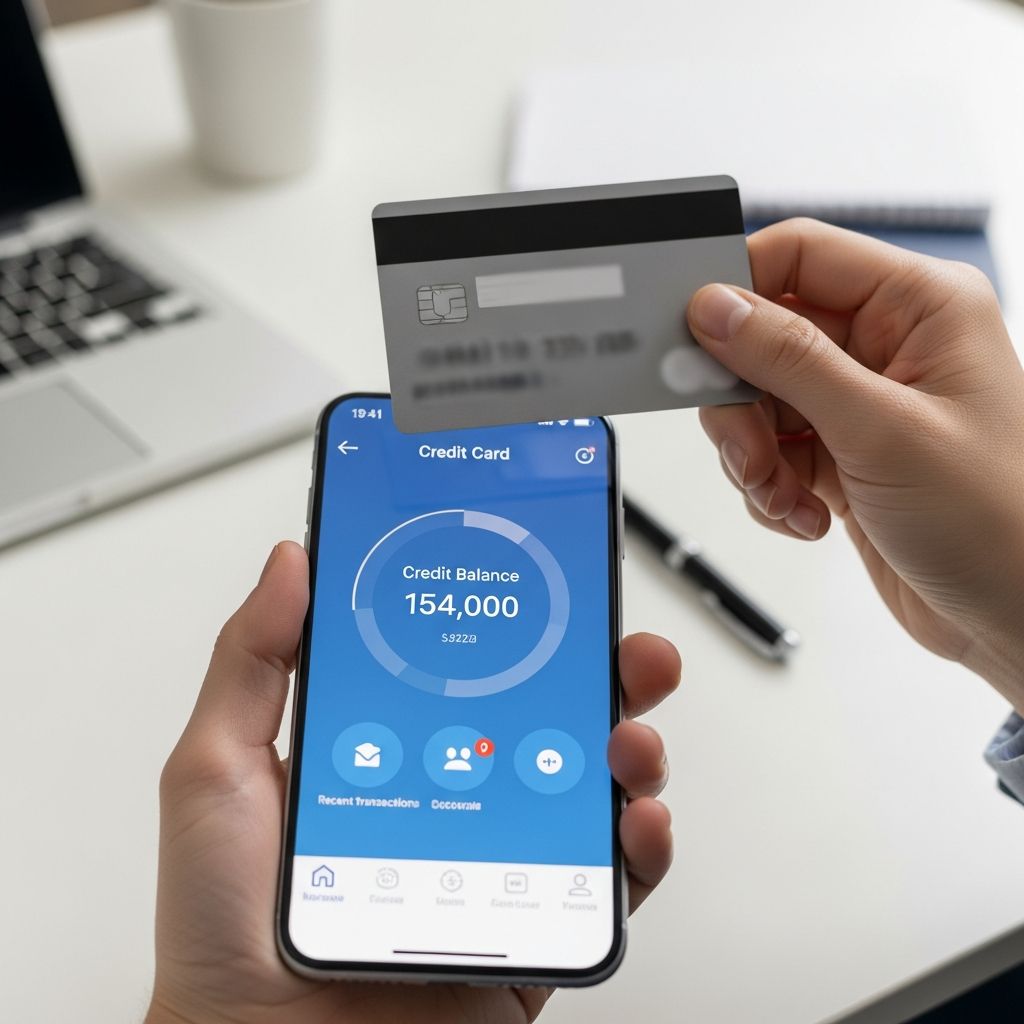
Monitoring your credit card balance is a fundamental step in maintaining financial health. It allows you to track spending, avoid overspending, and ensure timely payments. Whether you’re using digital tools or traditional methods, accessing this information promptly helps prevent interest accumulation and supports better budgeting.
Understanding Credit Card Balances
Before diving into how to check your balance, it’s essential to grasp what it represents. A credit card balance reflects the total amount you owe the issuer at any given time. There are two primary types: the statement balance and the current balance.
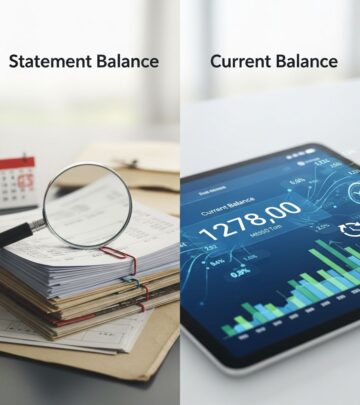
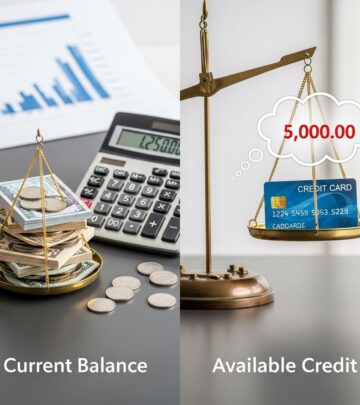
The statement balance is the amount due at the end of your billing cycle, typically spanning 28 to 31 days. It appears on your monthly statement and includes all transactions up to that point minus payments. In contrast, the current balance updates in real-time, incorporating recent purchases, payments, fees, and interest since the last statement. This distinction matters because paying the statement balance by its due date often avoids interest charges, while the current balance gives a live snapshot of your debt.
Regularly reviewing these figures promotes mindful spending. For instance, high balances can increase your credit utilization ratio—a key factor in credit scores, ideally kept below 30%.
Digital Methods for Instant Access
Technology has made balance checks faster than ever. Most issuers prioritize online and mobile platforms for convenience.
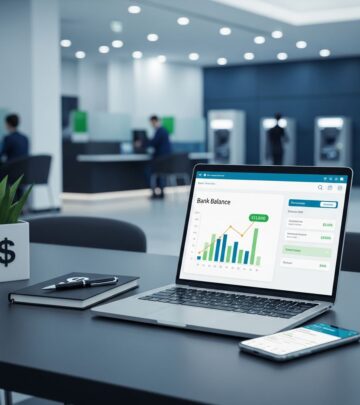
- Online Account Portals: Log in to your issuer’s website using your credentials. Navigate to the account dashboard for immediate balance display, transaction history, and payment options. This method provides both current and statement balances.
- Mobile Banking Apps: Download your issuer’s app for on-the-go access. Features like quick logins, biometric authentication, and push notifications make it seamless. Apps often show balances without full login via features like Bank of America’s My Balance.
These tools not only reveal balances but also offer spending categorization, due date reminders, and fraud alerts, enhancing overall account management.
Traditional Ways to Verify Your Balance
Not everyone prefers digital interfaces. Traditional options remain reliable alternatives.
- Phone Calls: Dial the customer service number on your card’s back. Automated systems or live agents provide instant balances. Have your account number ready for verification.
- Text Messaging: Some issuers support SMS balance inquiries. Text a keyword like ‘BALANCE’ to a designated shortcode after enrolling.
- In-Person Inquiries: Visit a branch for bank-issued cards or a store for retail cards. Staff can look up details on-site.
These methods suit those without internet access or preferring personal interaction, though they may involve wait times.
Reviewing Monthly Statements
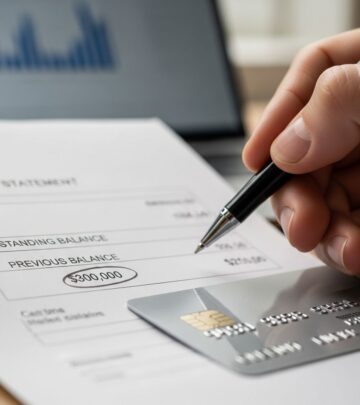
Your credit card statement is a comprehensive record sent monthly via email, app, or mail. Key sections include:
| Section | Details |
|---|---|
| Account Summary | Statement balance, minimum payment due, payment due date |
| Transactions | Purchases, payments, credits, advances, fees |
| Balances and Fees | Interest charges, cash advance fees |
| Utilization Info | Percentage of credit limit used |
Access e-statements online or request paper copies—note potential fees for reprints. Statements help spot errors or unauthorized charges early.
Setting Up Alerts and Automation
Proactive monitoring beats reactive checks. Many issuers offer customizable alerts:
- Balance threshold notifications via email or text when nearing limits.
- Payment due reminders.
- Transaction alerts for large purchases or unusual activity.
Automation like auto-payments ensures minimums or full balances are paid on time, preserving credit health. Enroll via app or website settings.
Why Frequent Balance Checks Matter
Beyond basic tracking, regular checks yield multiple benefits:
- Fraud Detection: Spot suspicious transactions immediately and report them.
- Debt Management: Understand utilization to improve credit scores.
- Budgeting Aid: Align spending with financial goals.
Neglecting this can lead to surprise fees, high interest (often 15-25% APR), and score drops.
Common Pitfalls and How to Avoid Them
Avoid these mistakes for accurate monitoring:
- Confusing statement vs. current balance—always verify both.
- Ignoring pending transactions that inflate current balances.
- Missing fees like late payments or foreign transactions.
- Overlooking grace periods where paying in full avoids interest.
Pro tip: Check weekly, especially post-large purchases.
Balance Computation Methods Explained
Issuers calculate interest using methods like:
- Average Daily Balance: Most common; sums daily balances divided by billing days, including new purchases.
- Adjusted Balance: Favors cardholders; excludes current period purchases.
Understanding this helps predict interest and plan payments.
FAQs
What is the difference between current and statement balance?
Statement balance is cycle-end total; current includes post-statement activity.
How often should I check my balance?
Weekly or after major spends for optimal control.
Can I check balance without logging in?
Some apps offer quick views; phone/text options work too.
Does checking balance affect credit score?
No, it’s a soft inquiry on your own account.
What if I spot an error?
Contact issuer immediately; dispute via app or phone.
Integrating balance checks into your routine empowers financial discipline. Leverage apps for speed, statements for details, and alerts for vigilance to stay ahead.
References
- How to Check Your Credit Card Balance — NerdWallet. 2023-09-15. https://www.nerdwallet.com/credit-cards/learn/how-to-check-your-credit-card-balance
- How to Check Your Credit Card Balance: A Step-By-Step Guide — SoFi. N/A. https://www.sofi.com/learn/content/check-credit-card-balance/
- What Is a Credit Card Balance? — Capital One. N/A. https://www.capitalone.com/learn-grow/money-management/what-is-credit-card-balance/
- Credit Card Payments and Statements FAQ — Bank of America. N/A. https://www.bankofamerica.com/credit-cards/credit-card-payments-statements-faq/
- Choosing A Credit Card: Balance Computation Methods — Consumer Credit. N/A. https://www.consumercredit.com/debt-resources-tools/credit/credit-improvement/choosing-a-credit-card-balance-computation-methods/
Similar Articles








Read full bio of Sneha Tete