Check Card Definition: Complete Guide to Debit Cards
Understand check cards: Your complete guide to debit card definitions, features, and practical uses.
What Is a Check Card? Definition and Overview
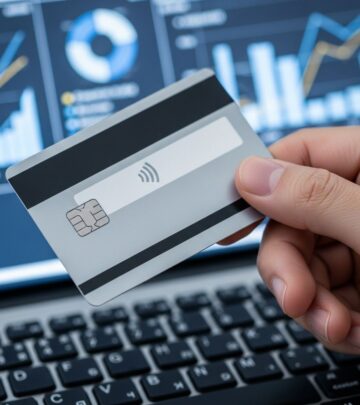
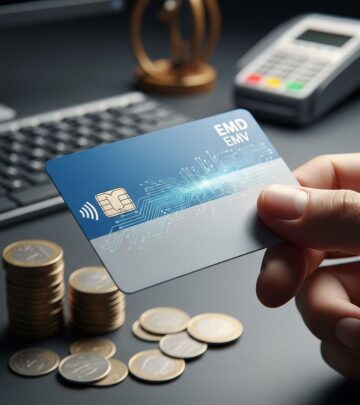
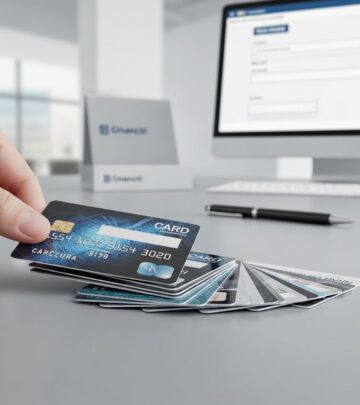
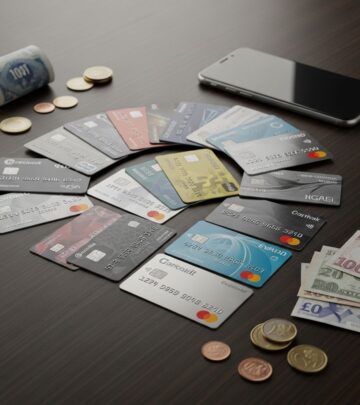
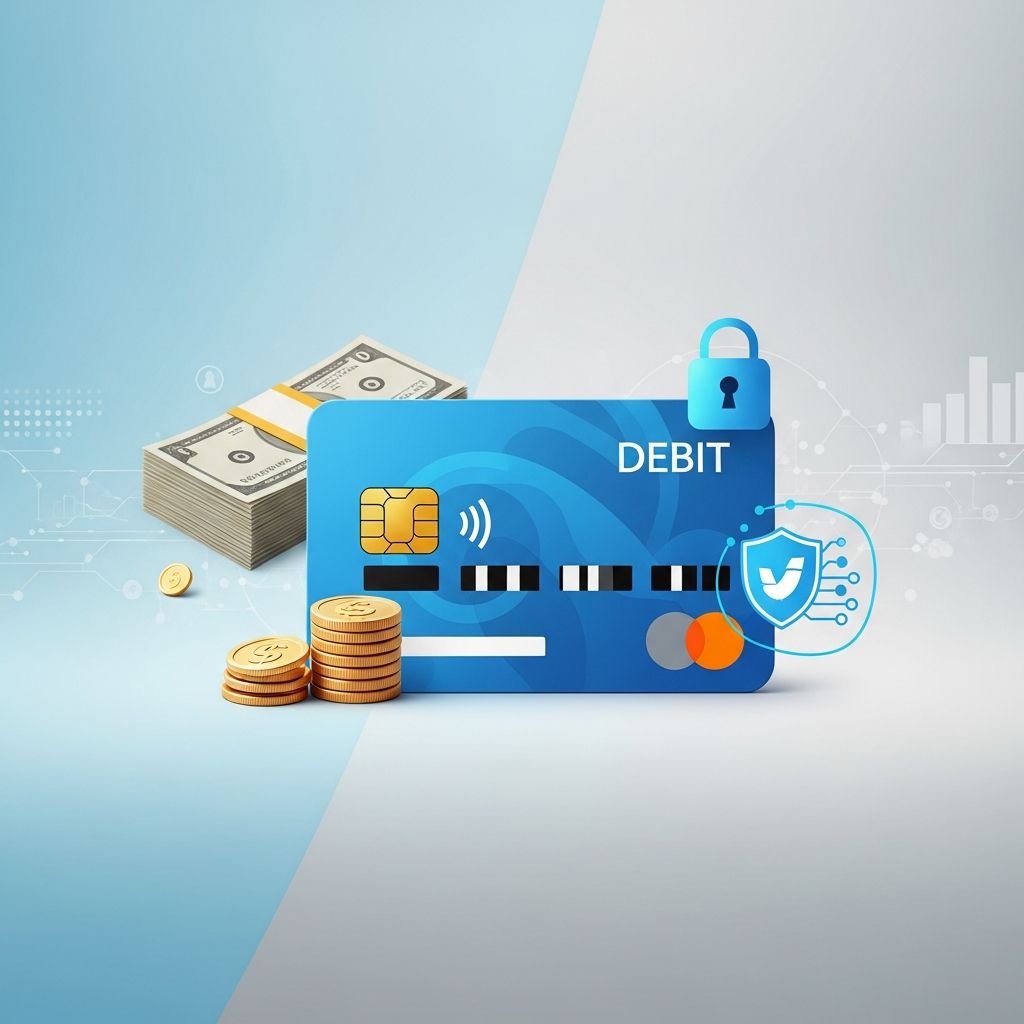
A check card, commonly known as a debit card, is a payment instrument issued by financial institutions that allows cardholders to access funds directly from their bank accounts. Unlike credit cards that defer payment, check cards offer immediate deduction of funds at the point of purchase. The term “check card” emerged because these cards combine the convenience of plastic with the financial responsibility associated with writing checks, eliminating the need to carry physical currency or maintain checkbooks.1 Check cards represent one of the most widely adopted banking innovations, providing users with a secure, convenient method to conduct financial transactions both locally and internationally.
How Check Cards Work: The Basic Mechanism
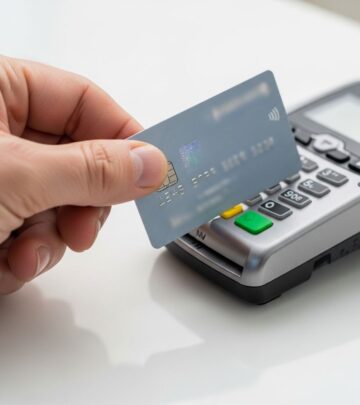
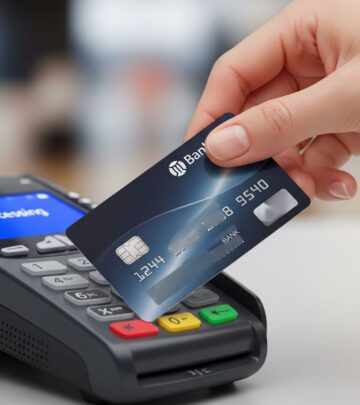
When you use a check card, the transaction process is straightforward and immediate. Upon presentation at a merchant or insertion into an ATM, the card connects to your bank account through the card network’s infrastructure.2 The purchase amount is automatically deducted from your available balance in real-time. This instantaneous deduction distinguishes check cards from credit cards, where transactions are typically processed later and billed monthly. Most check cards require users to enter a Personal Identification Number (PIN) for security verification at certain merchant locations, though contactless and chip technologies have modernized this process. Banks impose daily withdrawal limits to protect against unauthorized use and fraud, ensuring that even if a card is compromised, potential losses remain contained.
Key Features and Benefits of Check Cards
Check cards offer numerous advantages that have contributed to their widespread adoption among consumers worldwide. Understanding these benefits helps users make informed decisions about their banking choices.
Convenience and Accessibility
Check cards eliminate the necessity of carrying cash or maintaining traditional checkbooks. Users can make purchases at physical retail locations, online stores, and withdraw cash from ATM networks operated by their bank or partner institutions. This accessibility extends to international travel, as many check cards feature Visa or MasterCard logos, enabling transactions in virtually all major countries worldwide.2 The card operates during extended hours, allowing transactions outside traditional banking hours, providing unparalleled convenience for modern consumers.
Security Features
Modern check cards incorporate advanced security technologies to protect against fraud and unauthorized access. Chip technology embeds a microprocessor containing encrypted data, making cards significantly more difficult to counterfeit compared to magnetic stripe predecessors. The CVV (Card Verification Value) code provides additional online transaction protection. Furthermore, daily spending limits inherently restrict potential losses from theft or unauthorized use, and most banks offer fraud monitoring and zero-liability policies for unauthorized transactions.
Expense Management and Budget Control
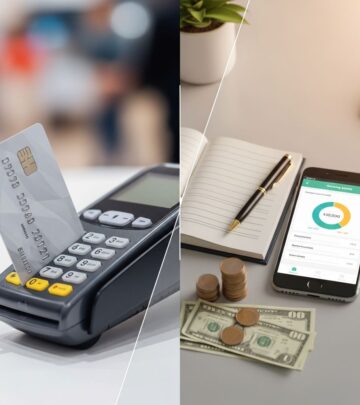
Because funds are deducted immediately from available balance, check cards naturally encourage responsible spending. Users cannot exceed their account balance unless overdraft protection is enabled, making check cards excellent tools for maintaining budget discipline. This contrasts sharply with credit cards, where users might accumulate debt through revolving balances and interest charges.
Check Card vs. ATM Card: Understanding the Distinction
While often used interchangeably, check cards and ATM cards possess important differences that affect their functionality and usage.3 An ATM card functions exclusively at Automated Teller Machines, permitting cash withdrawals and deposits during banking hours. Conversely, check cards combine ATM functionality with point-of-sale purchasing capability, enabling transactions at retail merchants, restaurants, and online platforms. Many modern financial institutions issue hybrid cards bearing Visa or MasterCard logos that function as both ATM cards and debit cards simultaneously, providing maximum flexibility. The hybrid nature of contemporary banking cards has largely rendered the distinction between pure ATM cards and debit cards obsolete in many markets.
Check Card vs. Credit Card: Core Differences
| Feature | Check Card (Debit Card) | Credit Card |
|---|---|---|
| Payment Timing | Immediate deduction from account | Deferred payment, billed monthly |
| Spending Limit | Limited to available account balance | Based on credit limit approved by issuer |
| Interest Charges | No interest on purchases | Interest charged on outstanding balances |
| Rewards Programs | Limited or no rewards | Extensive rewards, points, and cashback |
| Credit Building | Does not build credit history | Builds credit when used responsibly |
| Fraud Protection | Limited liability for unauthorized use | Strong protection under federal law |
| Budget Control | Enforces spending discipline | Risk of overspending and debt accumulation |
Types of Check Cards Available in the Market
The evolution of banking technology has produced several variations of check cards, each serving specific consumer needs and preferences.
Standard Debit Cards with Magnetic Stripe
Traditional check cards utilize magnetic stripe technology, where card information is encoded on a magnetic band on the card’s back. While functional and familiar to many users, magnetic stripe cards carry higher fraud risks compared to modern alternatives, as the technology can be relatively easily duplicated through a process called skimming.
Chip-Enabled Debit Cards
Contemporary check cards increasingly feature embedded microchips containing sophisticated encryption technology. These chip cards provide substantially superior security compared to magnetic stripe predecessors, making them significantly more resistant to counterfeiting and fraud.3 Chip technology enables both online and offline transaction verification, providing multiple layers of security protection for cardholders and merchants alike.
Contactless and Mobile-Integrated Cards
Many financial institutions now issue check cards with contactless payment capability, allowing users to complete transactions by merely waving the card near a payment terminal. Integration with mobile wallet applications enables smartphone-based payments, combining traditional card functionality with digital convenience. These innovations represent the cutting edge of payment technology, offering unprecedented ease and speed in transaction processing.
Advantages of Using Check Cards
Check cards provide compelling benefits that explain their widespread popularity among banking consumers globally.
- Immediate fund access without carrying cash or checks
- Worldwide acceptance at millions of merchant locations
- No credit approval required; available to most account holders
- Enhanced security through PIN protection and fraud monitoring
- Builds spending discipline through immediate balance deduction
- Lower fees compared to credit cards
- Eliminates overdraft risks through balance-limited spending
- Convenient online and international shopping capabilities
- No interest charges or debt accumulation potential
- Accessible to individuals with limited or no credit history
Disadvantages and Limitations of Check Cards
While highly beneficial, check cards present certain limitations that consumers should understand before relying exclusively on them.
- Limited rewards and cashback compared to credit cards
- Does not build credit history for future borrowing
- May face higher fraud liability in certain situations
- Daily withdrawal and spending limits restrict access to large amounts of funds
- Reduced purchase protections compared to credit cards
- Foreign transaction fees may apply when traveling internationally
- Holds on hotel and car rental deposits can tie up available funds
- Limited chargeback protections for disputed transactions
- Potential overdraft fees if account monitoring is insufficient
How to Use Check Cards Responsibly
Maximizing check card benefits while minimizing risks requires adherence to prudent financial practices. Regularly monitor your account balance through online banking or mobile applications to ensure sufficient funds for planned purchases. Protect your PIN and never share it with anyone, even bank employees. Review bank statements monthly to identify unauthorized transactions promptly. Enable fraud alerts and transaction notifications through your bank’s mobile application. When traveling internationally, inform your bank of your travel dates to prevent transaction declines due to fraud prevention measures. Use ATMs in secure, well-lit locations and avoid using cards at unfamiliar or suspicious merchants. Maintain separate accounts for different purposes to compartmentalize financial management.
Check Cards in the Digital Economy
As digital commerce continues expanding, check cards have evolved to meet modern payment demands. Integration with digital wallets, cryptocurrencies exchanges, and contactless payment systems positions check cards at the forefront of financial technology innovation. Many banks now offer virtual check cards for enhanced online security, generating temporary card numbers for digital purchases while protecting permanent card information. This digital transformation ensures check cards remain relevant and competitive against emerging payment alternatives, from peer-to-peer money transfer applications to blockchain-based financial services.
Frequently Asked Questions
Q: Is a check card the same as a debit card?
A: Yes, check cards and debit cards are essentially identical terms referring to the same financial instrument. Both allow immediate fund access from your bank account without deferring payment.
Q: Can I use a check card internationally?
A: Yes, check cards bearing Visa or MasterCard logos can typically be used internationally at millions of merchant locations worldwide. However, inform your bank before traveling to prevent fraud-related transaction blocks.
Q: What protections do check cards offer against fraud?
A: Modern check cards include chip encryption, PIN protection, daily spending limits, fraud monitoring, and zero-liability policies for unauthorized transactions. Report suspected fraud immediately to your bank.
Q: Do check cards help build credit?
A: No, check card usage does not build credit history since no credit is extended. Credit cards are better for credit building purposes.
Q: Are there fees associated with check cards?
A: Most check cards are free, though banks may charge fees for overseas transactions, ATM withdrawals at non-partner banks, or overdraft protection services.
Q: What’s the difference between online and offline PIN verification on chip cards?
A: Offline verification processes transactions without internet connection using encrypted data, while online verification requires real-time bank communication. Both provide strong security.
Q: Can merchants decline check card payments?
A: Yes, merchants are not legally obligated to accept check cards or any specific payment method. However, most major retailers widely accept debit cards as standard.
References
- Debit and Credit Cards — Malta Financial Services Authority (MFSA). Accessed 2025. https://www.mfsa.mt/service-detail/debit-and-credit-cards/
- What types of bank cards exist and how they’re different — BBVA. Accessed 2025. https://www.bbva.com/en/what-types-of-bank-cards-exist-and-how-theyre-different/
- Types of Banking Cards — Jasu Indo. January 3, 2024. https://jasuindo.com/2024/01/03/types-of-banking-cards/
- Cards are payment instruments — SBI Capital. Accessed 2025. https://www.sbical.bank/education-center/what-is-a-debit-card-benefits-uses
Similar Articles








Read full bio of Sneha Tete