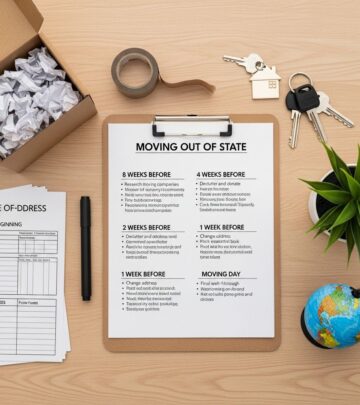
Cheapest Ways To Move Out Of State On A Budget
Discover practical, budget-friendly strategies to move out of state without draining your savings or going into unnecessary debt.

Moving out of state can be exciting, but it can also be expensive if you do not plan ahead. The cheapest way to move out of state is usually to move your belongings yourself instead of hiring full-service movers. That means packing, loading, and transporting your own items while cutting every avoidable expense along the way.
Depending on the distance and how much you own, an interstate move with professional movers can easily cost several thousand dollars, and complex long-distance moves can exceed $10,000–$14,000. To keep more money in your pocket, you need to understand typical moving costs, compare your options, and then use smart frugal strategies to lower each line item.
Typical Costs When Moving Out of State
Before you look for the cheapest way to move to another state, it helps to know which categories usually drive costs. That way, you can target the biggest savings opportunities.
- Professional movers: Full-service movers can include packing, loading, transport, unloading, and even unpacking. This is convenient, but also the most expensive option.
- Transportation for your belongings: This includes moving trucks, trailers, portable moving containers, or freight shipping.
- Transportation for you and your car: You may need to drive, fly, or use a mix of both, plus possibly pay for car shipping.
- Packing supplies: Boxes, tape, bubble wrap, specialty boxes for fragile items, and protective materials.
- Housing costs: Security deposits, first and last month’s rent, application fees, or closing costs and down payment if buying.
- Temporary housing: Hotels or short-term rentals if you cannot move into your new place right away.
- Everyday living expenses: Groceries, utilities set-up fees, insurance, fuel, and initial household purchases as you settle in.
- Licenses, paperwork & fees: Driver’s license, vehicle registration, and any professional or school records transfers, which vary by state.
Interstate movers in the United States are regulated, and licensing information can be checked via the Federal Motor Carrier Safety Administration (FMCSA), which helps you compare providers and avoid scams when you do need professional help.
Professional Movers vs DIY: Cost and Effort
In most cases, doing more yourself is what makes a move cheaper. But the right balance between professional services and DIY depends on your budget, physical ability, time, and distance.
| Option | Upfront Cost | Effort Required | Best For |
|---|---|---|---|
| Full-service movers | Highest | Very low | Time-poor, can afford convenience |
| Partial service (loading only, etc.) | Medium–high | Medium | Those who want help with heavy lifting |
| Truck rental + DIY | Low–medium | High | Most budget-conscious movers |
| Portable containers | Medium | Medium | People needing flexible loading/unloading |
| Ship via freight/small loads | Variable | Medium | Minimal belongings, long distances |
How to Choose a Moving Company (If You Use One)
If you decide you need professional help, focus on value and safety, not just the lowest advertised price.
- Check that interstate movers have a valid U.S. DOT number and are listed in the FMCSA database.
- Get written estimates from at least three companies; the U.S. Department of Transportation recommends comparing binding and non-binding estimates carefully.
- Read recent, independent reviews and watch for consistent complaints about damage or hidden fees.
- Confirm what is included: packing, loading, insurance levels, fuel surcharges, and extra charges like stairs or long carries.
Transportation Costs for You and Your Car
Even if your belongings are handled, you still need to get yourself to your new state.
- Driving your own car is usually the cheapest, especially if you combine it with a truck or trailer rental.
- Flying can make sense for very long distances or when you need to arrive quickly, but you must add baggage fees and ground transportation.
- Shipping your car with an auto transporter may cost hundreds to over a thousand dollars depending on distance and type of service.
Compare total costs of gas, lodging, and meals on a road trip versus airfare plus car shipping before you choose.
6 Ways to Move Out of State Cheaply
The core idea behind moving cheaply is simple: move less, do more yourself, and plan early. Here are six practical strategies to lower your costs significantly.
1. Rent a Moving Truck
Renting a moving truck and driving it yourself is one of the most reliably inexpensive ways to move out of state.
- Choose the smallest truck that safely fits your belongings to keep the base rate and fuel usage low.
- Book as early as possible; prices often rise closer to peak dates and weekends.
- Factor in gas, tolls, and overnight stays when comparing truck rental costs against professional movers.
Truck rental companies typically charge by distance and duration, and may add fees for extra mileage, additional drivers, or insurance. Planning your route and schedule in advance helps avoid surprise costs.
2. Use Portable Moving Containers or Trailers
Portable containers or tow-behind trailers can be a middle ground between full-service movers and a complete DIY truck rental.
- You pack and load the container or trailer yourself, but a provider transports it to your new state.
- Pricing is usually based on container size, distance, and time kept on-site.
- This can be cost-effective if you can load gradually and avoid storage facilities.
For very small moves, a trailer or small container may be enough, reducing both fuel costs and rental fees.
3. “Hire” Friends and Family
Recruiting friends and family to help you pack, load, or even drive is often the absolute cheapest way to move out of state.
- Offer to pay for their gas, meals, and maybe one night of lodging instead of paying hourly moving labor.
- Schedule a dedicated “moving day” so everyone knows when they are needed.
- Use checklists to assign tasks (packing, labeling, cleaning, loading) so the day is efficient and safe.
Be realistic about what your helpers can safely lift and consider hiring pros only for very heavy or specialty items if needed.
4. Declutter Aggressively Before You Move
One of the most powerful ways to cut moving costs is to move fewer things. Fewer items mean a smaller truck, fewer hours of labor, and easier setup in your new home.
- Sort everything into keep, sell, donate, or recycle categories.
- Sell valuable items such as furniture, electronics, designer clothing, and textbooks to raise cash for your move.
- Donate or recycle items that are bulky, worn out, or inexpensive to replace later.
Consumer surveys consistently show that moving is a major trigger for decluttering, and people who purge before a move often report lower stress and easier organizing afterward.
5. Time Your Move Strategically
When you move can be almost as important as how you move.
- Avoid peak moving season if possible (typically late spring through summer), when demand and prices are higher.
- Weekdays and mid-month moves often cost less than weekends or month-end when leases frequently turn over.
- Book earlier if you must move during busy seasons so you can still compare prices and secure lower rates.
Careful timing can also help you avoid overlapping rent or mortgage payments when leaving one place and entering another.
6. Grocery Shop Instead of Eating Out
It is common to rely on takeout during a move, but food spending can quietly drain your budget.
- Plan a simple, low-effort grocery list for the week of your move: rotisserie chicken, bagged salads, fruit, snacks, and breakfast items.
- Use a cooler on driving days so you can pack sandwiches and drinks instead of stopping at restaurants for every meal.
- Once you arrive, prioritize a basic grocery run over dining out, even if your full kitchen setup isn’t ready.
Studies on household budgets show that food away from home is significantly more expensive per meal than home-prepared food, so even small changes here can free up money for other moving essentials.
How to Build a Frugal Moving Budget
To keep your move affordable, create a
Key Moving Expenses to Include
- Truck rental, container fees, or mover charges (plus tips if using movers)
- Gas, tolls, and basic car maintenance before a long drive
- Meals and groceries for travel days and the first week in your new place
- Cleaning supplies or a cleaning service for your old home, if needed
- Application fees, security deposit, and first month’s rent
- Down payment and closing costs if buying a home
- Hotel or short-term rental if there is a gap between housing
- Moving and packing supplies
- License, vehicle registration, and other state-specific fees
- Initial utility deposits or connection fees for electricity, water, gas, and internet
Once you have a total estimate, compare it to your savings and timeline. If there is a shortfall, cut costs, delay the move to save more, or look for temporary extra income.
Is $5,000 Enough to Move Out of State?
Whether $5,000 is enough to move out depends on:
- How far you are moving and the size of your household
- The cost of living and rental market in your new state
- How much you can do yourself versus outsourcing to movers
- Whether you already have a job secured or a stable income source
In a lower-cost area, a single person with minimal belongings who uses a DIY move and has an emergency fund might manage an interstate move within $5,000. For a family moving to a high-cost city, especially without decluttering or budgeting, $5,000 may fall short.
Financial planners often recommend keeping 3–6 months’ worth of essential expenses in an emergency fund before making a major life change like relocation. If you are not in a rush, consider postponing your move long enough to build that cushion and save specifically for moving costs.
Other Smart Ways to Save Before and During Your Move
- Gather free boxes from local grocery stores, big-box stores, or community groups instead of buying new boxes.
- Use household items for padding (towels, blankets, clothing) to reduce bubble wrap and packing paper purchases.
- Cancel or transfer services early (internet, streaming, gym memberships) to avoid paying for two locations at once.
- Track moving expenses in a spreadsheet or budgeting app to stay within your plan.
- Review insurance options for your belongings in transit, comparing mover-provided coverage to renter’s or homeowner’s policies.
Frequently Asked Questions (FAQs)
What is the first step to moving out of state cheaply?
The first step is to decide where you are moving and then research that state’s cost of living, housing market, and job opportunities. Once you know your destination, you can estimate rent, deposits, and basic expenses, then create a moving budget and savings plan tailored to that location.
What is a good budget for moving out of state?
There is no universal number because costs depend on distance, how much you own, and whether you use a moving company. A practical approach is to request quotes for at least two or three moving scenarios (full-service, truck rental, container) and then add housing deposits, travel costs, and a buffer for unexpected expenses. This bottom-up method gives you a realistic “good budget” for your specific move.
How far in advance should I plan an out-of-state move?
Many experts recommend starting to plan and save at least three to six months before a major move, especially if you need time to build savings, reduce debt, or secure a job in your new state. You can begin decluttering, gathering supplies, and comparison-shopping for movers or truck rentals during this time.
Is it cheaper to move furniture or buy new?
It depends on the quality and weight of your existing furniture versus replacement costs in your destination. Heavy, low-value items (like old particleboard pieces) are often cheaper to sell or donate and then replace after you move. High-quality or sentimental items are usually worth the cost to move. Compare estimated moving charges per pound or per truck size against what similar items cost locally or secondhand.
Can I deduct moving expenses on my taxes?
Under current U.S. federal tax rules, most individuals cannot deduct moving expenses, with a limited exception for active-duty military members moving due to a military order. State rules may differ, so check recent IRS guidance or consult a tax professional before assuming any deduction.
Find the Cheapest Way to Move Out of State
Moving out of state does not have to derail your financial goals. By understanding typical costs, embracing DIY options, decluttering, and building a realistic budget, you can greatly reduce what you spend. Combine strategies like renting a truck, recruiting friends and family, moving outside peak season, and cooking simple meals instead of eating out, and you will be well on your way to finding the cheapest way to move out of state for your situation.
With intentional planning and a frugal mindset, your move can be both affordable and a strong step toward the next chapter of your life.
References
- Protect Your Move — Federal Motor Carrier Safety Administration (FMCSA), U.S. Department of Transportation. 2022-06-01. https://www.fmcsa.dot.gov/protect-your-move
- Household Goods Moving Guide — Federal Motor Carrier Safety Administration (FMCSA), U.S. Department of Transportation. 2023-04-10. https://www.fmcsa.dot.gov/consumer/household-goods
- Understanding Vehicle Transport Services — Federal Motor Carrier Safety Administration (FMCSA), U.S. Department of Transportation. 2021-09-15. https://www.fmcsa.dot.gov/protect-your-move/transporting-your-vehicle
- Life Events and Decluttering: Household Goods Disposition Decisions — Journal of Consumer Affairs. 2016-03-01. https://doi.org/10.1111/joca.12084
- Seasonality in the Moving Industry — American Moving & Storage Association (now ATA Moving & Storage Council). 2019-05-20. https://www.trucking.org/moving-storage-council
- Food-at-Home vs. Food-Away-from-Home Prices — U.S. Department of Agriculture, Economic Research Service. 2023-08-29. https://www.ers.usda.gov/data-products/food-expenditure-series/
- Emergency Savings: How Much Is Enough? — Consumer Financial Protection Bureau. 2023-02-01. https://www.consumerfinance.gov/consumer-tools/educator-tools/resources-for-setting-and-meeting-goals/emergency-funds/
- Moving Expenses — Internal Revenue Service (IRS). 2024-03-15. https://www.irs.gov/taxtopics/tc455
Similar Articles








Read full bio of medha deb