Cheapest Grocery List: Smart Ways To Cut Food Costs
Build the cheapest grocery list possible with strategic food choices, smart shopping habits, and simple money-saving tools.
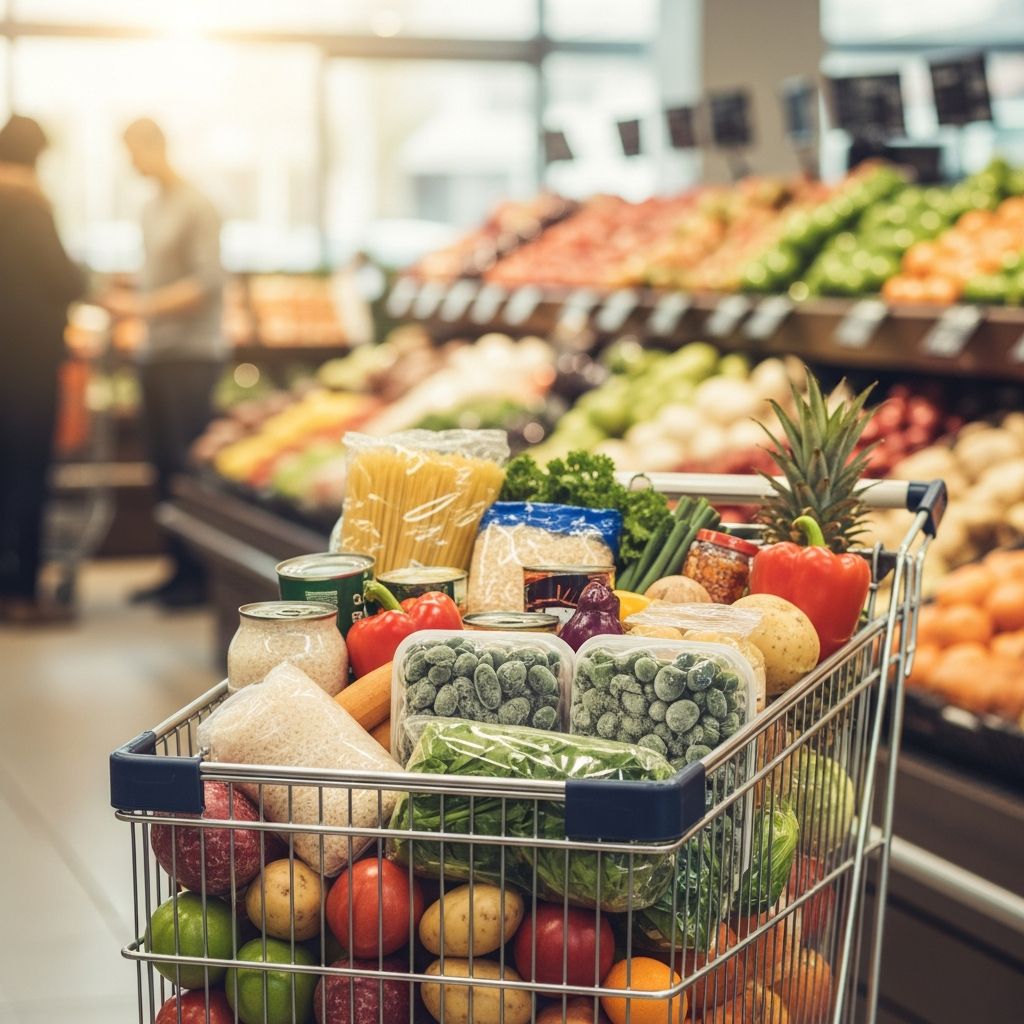
Food prices are one of the biggest pain points in a tight budget, but a strategic grocery list can dramatically cut how much you spend each month while still keeping your meals satisfying and reasonably healthy. Rising food costs hit low- and moderate-income households especially hard because groceries take up a larger share of their total budget compared to higher-income households. That means every dollar you save at the store has a big impact on your overall finances.
This guide mirrors the structure of a typical “cheapest grocery list” article and walks you through how to:
- Pick the best low-cost foods that stretch into multiple meals
- Choose budget-friendly stores that consistently offer low prices
- Time your shopping and use sales to maximize discounts
- Use apps, rewards, and coupons to stack extra savings
- See example cheap grocery lists from discount retailers
Use these ideas as a starting point and adapt them to your own preferences, dietary needs, and local prices.
1. Focus on the Best Foods to Buy for the Cheapest Grocery List
The foundation of the cheapest grocery list is choosing foods that are inexpensive, versatile, and filling. Government and nonprofit research consistently points out that staples like whole grains, legumes, and seasonal produce can provide good nutrition at relatively low cost when compared to heavily processed convenience foods. The more you build meals around these ingredients, the further your money goes.
Core budget-friendly staples
When you’re shopping on a tight budget, prioritize foods that:
- Can be used in many different meals (for example, rice, eggs, beans)
- Store well and have a long shelf life (dried beans, oats, frozen vegetables)
- Offer a good balance of nutrition per dollar (whole grains and legumes are standouts)
- Are affordable in bulk or store-brand versions
Examples of cheap, flexible staples include:
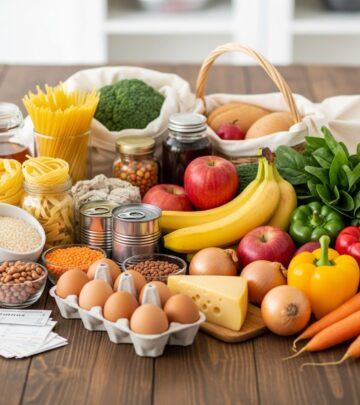
- Grains: rice, oats, pasta, tortillas, store-brand bread
- Legumes: lentils, chickpeas, split peas, black beans (dried or canned)
- Proteins: eggs, canned tuna, peanut butter, frozen chicken pieces, tofu
- Produce: carrots, onions, potatoes, cabbage, bananas, apples, seasonal fruits
- Dairy and alternatives: store-brand milk, yogurt, cheese, or fortified plant-based milks
Buy raw ingredients instead of processed or prepared foods
One of the most powerful ways to cut your grocery bill is to buy raw or minimally processed ingredients instead of prepared foods. Prepared meals, pre-cut produce, and individual snack packs come with a convenience markup—essentially, you are paying for someone else’s time. Studies of retail food prices repeatedly show that cooking with basic ingredients is cheaper than purchasing ready-to-eat meals, especially for households that cook in batches.
For example:
- A whole bag of oranges usually costs less per serving than individual fruit cups.
- A large head of lettuce and a few vegetables are generally cheaper than a premium pre-made salad.
- A bag of dried beans is often significantly cheaper per portion than canned beans, if you have time to soak and cook them.
Exception: Occasionally, stores price certain prepared items very low to attract shoppers, such as rotisserie chickens. These can be cost-effective if you use all of the meat for multiple meals and even use the bones to make broth.
Build meals around low-cost, filling foods
To stretch your dollars even more, plan meals around a few anchor ingredients that are both cheap and filling:
- Rice and beans: a classic combination that provides protein, carbohydrates, and fiber.
- Oats: inexpensive for breakfast and can be used in baked goods or savory dishes.
- Eggs: relatively affordable protein in many regions and easy to use for breakfast, lunch, or dinner.
- Frozen vegetables: usually cheaper than out-of-season fresh produce and reduce waste because they last longer.
Start your planning by deciding which low-cost staples you will rely on most this week, then add smaller amounts of more expensive ingredients—like cheese, meat, or specialty items—as your budget allows.
2. Where You Shop Makes It Easier to Buy Cheap Grocery Items
Even with the same grocery list, where you shop can change your total cost significantly. In studies of food prices across different retail formats, discount supermarkets and supercenters generally offer lower prices than traditional grocers, although availability varies by region. By choosing the right stores, you can get more for the same budget.
Discount grocers (for example, Aldi)
Discount supermarkets such as Aldi are often known for:
- Limited-assortment store brands that keep costs low
- Streamlined layouts that reduce overhead costs
- Competitive prices on staples like bread, milk, eggs, and produce
Because these stores focus heavily on price, you can usually assemble a very cheap grocery list made up of store-brand basics, seasonal produce, and simple frozen items.
Big-box retailers and supercenters (for example, Walmart)
Large retailers such as Walmart often offer everyday low prices on a wide variety of items, including groceries. Research on retail food pricing has found that supercenters tend to have lower average prices for many basic food categories compared with traditional supermarkets, though it depends on location and promotions.
If you already shop there for household goods, adding groceries to the same trip can save both time and money. Use their store-brand products for extra savings.
Dollar stores
Dollar stores and similar discount chains can be useful for certain items on your cheap grocery list, such as:
- Spices and seasonings
- Canned vegetables, beans, and tomatoes
- Pasta, rice, or other dry goods
- Occasional snacks or condiments
However, it is important to compare unit prices, check expiration dates, and balance cost with nutrition. Some analyses have noted that while dollar stores can offer affordability and convenience in some communities, especially rural or low-income areas, the selection of fresh produce and proteins is often limited.
Other budget-friendly chains
In many areas, regional chains and smaller discount grocers play the same role as Aldi or Walmart. No matter where you live, seek out:
- Stores known for everyday low pricing on staples
- Markets with weekly loss-leader sales (deep discounts on a few items to attract customers)
- Stores that offer loyalty programs or digital coupons you can easily use
Once you discover which stores consistently offer the lowest prices for your core staples, make those your primary shopping locations.
3. When You Shop (and How) Matters for Cheap Grocery Items
Timing and strategy can turn a normal trip into a high-value shopping run. Instead of going to the store without a plan, use timing and your shopping list to amplify your savings.
Purchase items that are on sale
Weekly sales and promotions can lower the cost of many items you already buy. Supermarkets in many regions release weekly circulars or flyers listing sale prices, which you can usually find in print or online. Build your grocery list around these sales when possible.
Practical tips:
- Scan digital or paper flyers before making your list.
- When a staple food you regularly use is on sale and your budget allows, buy extra to store.
- Use sale meat or produce as the “center” of your meal plan for the week.
Shop with a detailed list
Going into the store with a specific written list reduces impulse purchases and helps you stick to your budget. Consumer research has repeatedly linked list-making to more controlled shopping behavior and lower unplanned spending.
To make your list more effective:
- Plan your meals first, then list only the needed ingredients.
- Group items by store section (produce, dairy, frozen) to minimize wandering.
- Put needs at the top and wants at the bottom so you can easily cut extras at checkout if necessary.
Go when you are focused (not hungry)
It may sound simple, but shopping while hungry or rushed often leads to more impulse purchases and higher spending. Experiments in consumer behavior have shown that people tend to buy more calorie-dense, higher-priced convenience foods when they shop hungry. Try to shop after a meal or snack and give yourself enough time to compare prices calmly.
4. Use Apps, Rewards, and Coupons to Reduce Your Grocery Bill
Once you have optimized your list and store choice, you can layer on digital tools for additional savings. Retailers and third-party platforms offer cash back, rewards points, and coupon matching that can trim a few more dollars off each trip.
Store loyalty apps and digital coupons
Many major grocers and mass retailers offer their own apps that provide:
- Digital coupons clipped directly to your loyalty account
- Exclusive member pricing on certain items
- Rewards points that can be redeemed for discounts on future purchases
For example, large retailers with grocery sections (such as big-box stores and supermarkets) often integrate digital coupons and weekly deals in their apps, allowing you to plan your list around the best promotions before you step into the store.
Cash-back and receipt-scanning apps
Third-party apps and websites can also provide savings in the form of:
- Cash back for buying specific brands or categories
- Gift cards in exchange for points earned by scanning receipts
- Occasional sign-up bonuses for new users
To get the most benefit without wasting time, pick one or two apps that work with the stores you already use, and check them quickly as you finalize your list.
Example Cheap Grocery List from Discount Stores
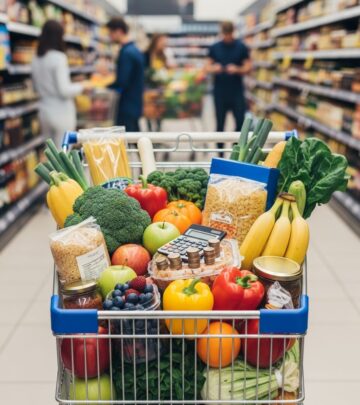
Every household’s grocery list will look a little different depending on dietary needs, location, and preferences. Still, it is helpful to see how a budget-conscious cart might look at large discount retailers that are known for low prices on staples. The following example items are representative categories rather than exact prices, since prices can vary by region and over time.
Sample cheap grocery items at a discount supermarket (e.g., Aldi-style store)
At a limited-assortment discount grocery store, your cheapest grocery list might emphasize private-label basics and seasonal produce:
- Store-brand tortilla chips
- In-season fruit (for example, grapes, peaches, apples, or bananas)
- Bagged salad kits or whole heads of lettuce and cabbage
- Store-brand bread and tortillas
- Dry pasta and pasta sauce
- Rice and dried beans or lentils
- Frozen mixed vegetables and frozen fruit
- Eggs and store-brand milk
Sample cheap grocery items at a big-box retailer (e.g., Walmart-style store)
At a large retailer with its own store brands, you can combine low-cost pantry staples with a few fresh items:
- Store-brand sliced bread (wheat or white)
- Large carton of eggs (store-brand)
- Low-cost cereal (like toasted oats)
- Large bag of frozen spinach or mixed vegetables
- Long-grain white or brown rice (store-brand)
- Canned chickpeas or other beans
- Store-brand tuna in water
- Basic block cheese for shredding at home
Illustrative budget table
Here is how a single week’s example cheap grocery list might look if you shop mainly at a discount store and a big-box retailer. The prices are hypothetical and for illustration only; always check current prices in your area.
| Category | Example Item | Quantity | Estimated Cost (USD) |
|---|---|---|---|
| Grains | Long-grain rice (store-brand) | 2 lb bag | $2.00 |
| Grains | Oats (rolled, store-brand) | 2 lb container | $2.20 |
| Protein | Eggs (large, store-brand) | 18-count carton | $3.00 |
| Protein | Canned chickpeas | 2 cans | $1.80 |
| Dairy | Milk (store-brand) | 1 gallon | $3.00 |
| Produce | Bananas | 2.5 lb bunch | $1.50 |
| Produce | Carrots (whole) | 2 lb bag | $1.50 |
| Frozen | Frozen mixed vegetables | 1 large bag | $2.50 |
| Other | Store-brand bread | 1 loaf | $1.50 |
| Estimated Weekly Total | $19.00 |
4 Basic Tips to Stretch Your Dollars with a Budget Grocery List
To pull everything together, use these four core principles whenever you shop. They mirror the strategies often recommended by consumer and financial educators for controlling grocery spending.
1. Shop at less expensive stores
- Identify which nearby stores have the lowest prices on your top 10 staples.
- Make those your primary shopping locations and visit higher-priced stores only for special items.
- Consider using one main discount store plus one supplementary store (such as a local market or warehouse club).
2. Plan around sales and promotions
- Review weekly flyers or apps before you plan your meals.
- Be flexible: swap chicken for beans or pasta for rice if those items are significantly cheaper that week.
- Stock up moderately on discounted staples you know you will use.
3. Maximize coupons, rewards, and cash back
- Use one store loyalty program consistently to accumulate rewards faster.
- Clip digital coupons rather than paper ones to save time and reduce clutter.
- Combine store sales with digital coupons and a cash-back app when possible.
4. Reduce waste by cooking and storing smart
- Cook in batches and freeze portions to prevent spoilage.
- Repurpose leftovers into new meals (for example, roasted vegetables into soup or wraps).
- Use your fridge and pantry inventory to plan meals before you shop.
Frequently Asked Questions (FAQs)
Q: How do I start a cheap grocery list if my budget is extremely tight?
Begin with your most basic needs: an inexpensive grain (like rice or oats), a cheap protein (such as eggs or beans), and a few low-cost fruits and vegetables (like carrots, onions, bananas, or apples). Then add small amounts of other items only if your budget allows.
Q: Is it really cheaper to cook from scratch than to buy prepared foods?
In most cases, yes. Research on food prices and diet costs consistently shows that meals based on whole ingredients like grains, legumes, and vegetables are less expensive than heavily processed or restaurant foods, especially when cooked in larger batches and eaten as leftovers.
Q: Can I still eat healthy on the cheapest grocery list?
You can build a reasonably healthy diet with low-cost staples by emphasizing whole grains, beans, lentils, fruits, vegetables (including frozen options), and modest amounts of dairy or alternative proteins. Nutrition guidelines from public health agencies highlight that these foods can be combined into balanced, affordable meals.
Q: How often should I shop to keep costs low?
Many people find that shopping once a week works well: it limits impulse trips, makes meal planning easier, and reduces food waste. However, if produce spoils before you can use it, you may benefit from one main trip plus a small mid-week top-up for fresh items.
Q: What if my area has few grocery options and mostly dollar stores?
Use the best options you have: look for healthier low-cost staples like dry beans, canned vegetables, rice, oats, and frozen items, and compare unit prices carefully. If possible, supplement those purchases with occasional trips to a supermarket or farmers’ market when transportation and budget allow.
References
- Food prices and spending — U.S. Department of Agriculture, Economic Research Service. 2024-01-24. https://www.ers.usda.gov/data-products/ag-and-food-statistics-charting-the-essentials/food-prices-and-spending/
- Lowest-cost food plan: Cost of food at home at four levels, U.S. average — U.S. Department of Agriculture, Center for Nutrition Policy and Promotion. 2024-06-27. https://www.fns.usda.gov/cnpp/usda-food-plans-cost-food-reports-monthly-reports
- Price and availability of healthy food options in U.S. food stores — Vernarelli et al., Public Health Nutrition. 2011-03-01. https://doi.org/10.1017/S1368980010002814
- Dollars and Sense: Food Stores in Low-Income Areas — U.S. Department of Agriculture, Economic Research Service. 2017-12-01. https://www.ers.usda.gov/amber-waves/2017/december/dollars-and-sense-food-stores-in-low-income-areas/
- Weekly Grocery Shopping: Tips for Saving Time and Money — Cooperative Extension, North Carolina State University. 2022-04-18. https://content.ces.ncsu.edu/weekly-grocery-shopping-tips-for-saving-time-and-money
- Shopping Lists as a Tool for Healthful Diets — Nyilasy et al., Journal of Consumer Affairs. 2021-03-31. https://doi.org/10.1111/joca.12380
Similar Articles








Read full bio of Sneha Tete