Cheapest Day to Buy Gas: Save Money Weekly
Discover the best day of the week to fill up and save $50-$100 annually on gas.
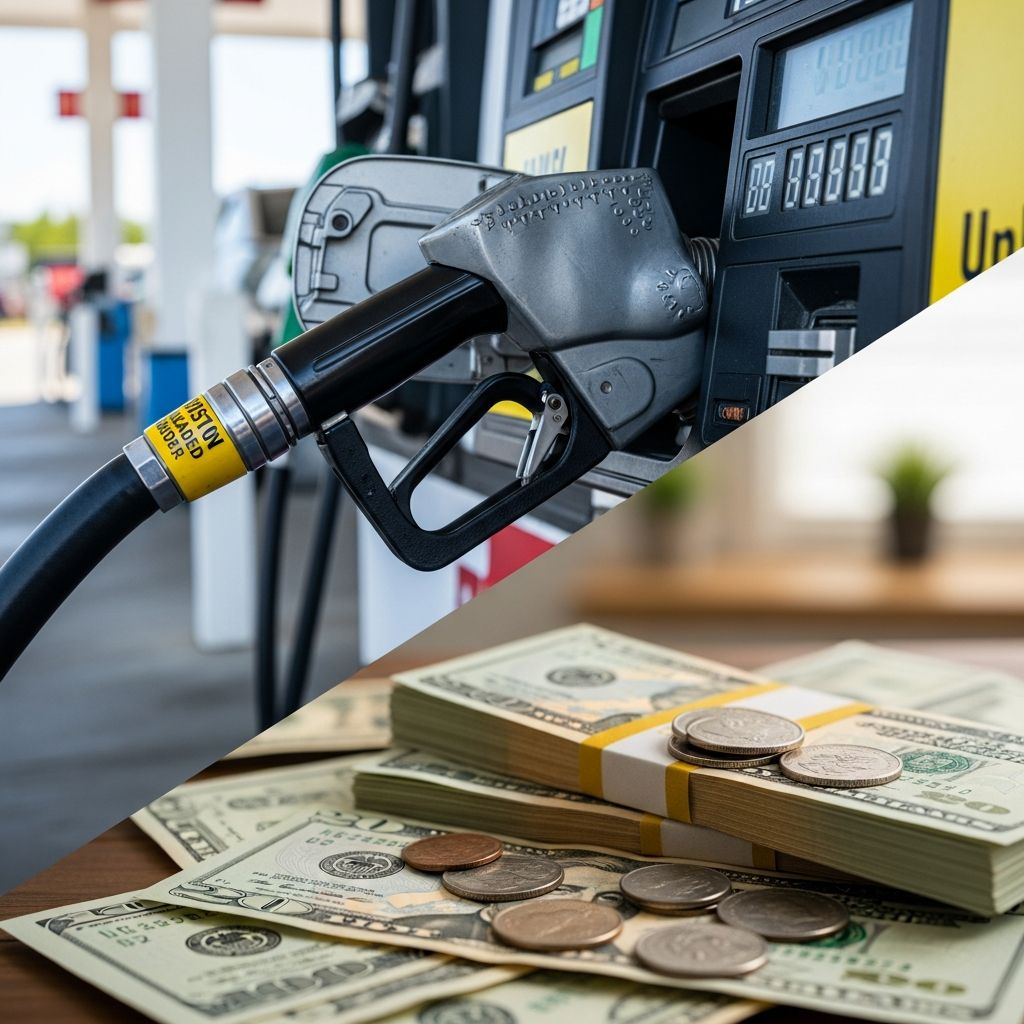
This Is the Cheapest Day of the Week to Buy Gas
When should you buy gas? For most drivers, the answer is simply whenever the tank is running low. However, now that high gas prices have become routine, it may be worth your while to fill up strategically on the days when fuel costs are cheapest. According to research from GasBuddy, a gas price comparison app that tracks real-time prices at more than 150,000 stations across North America, there are specific days of the week when you’re more likely to find lower prices at the pump.
Understanding these pricing patterns can help you make smarter decisions about when to refuel, potentially adding up to meaningful savings over time. While the difference may seem small on any single fill-up, the cumulative effect of strategic timing can make a noticeable impact on your annual fuel budget.
Monday: The Best Day to Buy Gas
On average, Monday was the cheapest day for gas prices around the country in 2021, according to GasBuddy’s comprehensive analysis. The beginning of the work week offers the lowest average gas prices in 17 states across the United States. This pattern has been consistent across multiple years, with Monday also performing as the best day to buy gas in GasBuddy’s similar studies conducted in 2017, 2018, and 2019.
Patrick De Haan, head of petroleum analysis at GasBuddy, explained the significance of this finding: “When it comes to saving money at the pump, Monday becomes more than the dreaded end of the weekend. GasBuddy analyzed gas price data and found that the first day of the work week offers the lowest average gas price in 17 states, making it yet again the best day to fill-up.”
The reason Monday consistently shows lower prices relates to market dynamics and consumer behavior patterns. As the work week begins, demand for gasoline typically decreases after the weekend rush, allowing prices to settle at lower levels before climbing again as the week progresses.
Friday: The Second-Best Option
Interestingly, Friday has emerged as the second least-expensive day to fill up in recent years. This finding challenges traditional assumptions about Friday gas prices. Historically, Friday has been considered one of the more expensive days for gas because consumers anticipate higher demand for weekend driving. However, recent data suggests this trend has shifted.
According to GasBuddy research, Friday can now offer competitive pricing comparable to Monday. This means that if you can’t fill up on Monday, Friday provides another opportunity to buy gas at relatively lower prices. This dual-day strategy gives consumers more flexibility in planning their fill-ups around their schedules.
Days to Avoid: Most Expensive Times to Buy Gas
If Monday and Friday are the best days, certain days stand out as the worst times to purchase gas. According to GasBuddy’s analysis, Wednesday and Thursday consistently rank as the most expensive days of the week. In the 2022 study specific to certain states, Thursday topped the list as the most expensive day of the week for fuel purchases.
Additionally, in some regional variations, Wednesday has been identified as the worst day for filling up in specific states like Indiana. These mid-week peaks occur as demand increases and supply dynamics shift throughout the work week.
State-by-State Variations
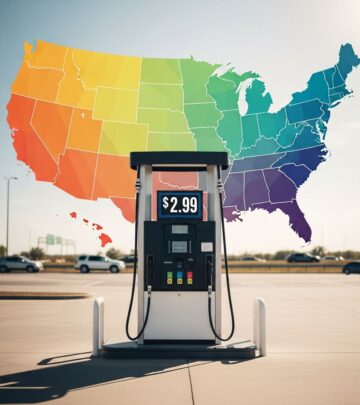
While Monday emerges as the national trend, GasBuddy’s research demonstrates that gas price patterns can vary significantly by state. The analysis examined average gas prices for every state to understand these regional differences. For example, Indiana’s cheapest day is Friday rather than Monday, showing that state-specific factors influence pricing patterns.
Patrick De Haan emphasized this important caveat: “Though there is variation in daily gas prices across different states, the consensus is that filling up at the beginning or end of the work week, on Monday or Friday, is the best way to save money.”
Factors contributing to state-specific variations include local refinery capacity, transportation costs, state taxes on gasoline, regional demand patterns, and the competitive landscape of gas stations in each area. Consumers should research their specific state’s patterns for optimal savings.
How Much Can You Really Save?
While the concept of saving money by timing gas purchases is appealing, the actual dollar amounts depend on multiple factors. The amount you can realistically save on gas by filling up on one day versus another varies widely and depends on several key variables:
Key factors affecting savings:
- The difference in gas prices between expensive and cheaper days
- Your vehicle’s gas mileage and fuel efficiency
- How much you drive over a typical month or year
- Your tank size and fill-up frequency
- Regional price volatility in your area
GasBuddy estimates that drivers can typically save $50 to $100 per year by filling up on the cheapest days of the week. This calculation is based on gas costing roughly $3.35 per gallon, with four monthly fill-ups of 12 gallons each, and with gas running 7 cents to 12 cents per gallon more expensive on other days of the week.
In percentage terms, you’ll save approximately 2% to 4% on gas if you fill up strategically or get lucky by hitting the gas station on the cheapest day of the week. While this might not sound dramatic, it represents tangible savings when accumulated over months and years.
The Reality of Price Predictions
An important caveat to keep in mind is that whether you actually save anything depends entirely on the idea that the day you fill up will actually have cheaper gas prices, and this is impossible to predict with certainty in any given week. Gas prices fluctuate constantly based on global oil markets, supply chain dynamics, refinery maintenance, weather events, and geopolitical factors.
Patrick De Haan acknowledged this limitation: “I don’t think there’s a great answer. We can only look at the data that we have at the time. It’s tough to have hypotheticals here in front of me to say if someone filled up on 50 Mondays that they would be $15 ahead. It’s very difficult to put an exact science to it because of the wide variety of human behaviors, and it’s quite circumstantial.”
This means that while historical data shows Monday and Friday tend to be cheaper, there’s no guarantee that any specific Monday or Friday in your area will have lower prices than the previous day or the day after.
Practical Recommendations
Given the complexities and limitations of price timing, De Haan offers practical guidance: “The only Golden Rule when it comes to filling your tank is to check prices around you. We can still try to come up with some conclusions that help people have better odds. If you were to always stick with Monday, for example, we find that overall, you will probably come out a winner. That’s what we’re essentially aiming for. It’s not always surefire, but the odds are that you’ll do better.”
This suggests a balanced approach: while attempting to fill up on traditionally cheaper days like Monday or Friday can improve your odds of saving money, the most reliable strategy involves checking current prices in your area before deciding when to buy. Modern apps and websites make real-time price comparison easy, allowing you to identify the cheapest stations nearby regardless of the day of the week.
Beyond Day-of-Week Strategies
While timing your fill-ups by day of the week can provide modest savings, it’s just one strategy among several for reducing fuel costs. Consider these complementary approaches:
- Use fuel rewards programs and credit card cash-back offers
- Maintain proper tire pressure to improve fuel efficiency
- Reduce unnecessary weight in your vehicle
- Combine errands to minimize total driving
- Consider carpooling or public transportation when possible
- Keep your engine well-maintained for optimal performance
- Monitor gas prices through apps like GasBuddy for real-time deals
Understanding Market Dynamics
The patterns in weekly gas prices reflect broader market dynamics. When demand decreases at the start of the work week following the weekend, prices typically decline. As the week progresses and more people drive for work and errands, demand increases, pushing prices up mid-week. This pattern repeats weekly, creating the observed Monday-Friday pricing cycle.
However, this regular pattern can be disrupted by external factors such as crude oil price fluctuations, refinery outages, supply chain disruptions, seasonal demand changes, and global geopolitical events. For instance, major price spikes or drops may override typical weekly patterns.
Frequently Asked Questions
Q: Is Monday always the cheapest day to buy gas?
A: While Monday is statistically the cheapest day in most of the United States based on historical data, this is not guaranteed every week. Regional variations exist, and external market factors can influence prices on any given day. Always check local prices before filling up.
Q: How much money will I save by timing my gas purchases?
A: GasBuddy estimates drivers can typically save $50 to $100 per year through strategic timing. This represents about 2% to 4% savings on total annual fuel costs, though actual savings depend on your vehicle’s fuel efficiency, driving habits, and local price variations.
Q: What’s the worst day to buy gas?
A: Wednesday and Thursday are generally the most expensive days to purchase gas nationally, though this can vary by state. In Indiana specifically, Wednesday is the worst day for gas purchases.
Q: Does this pricing pattern work in my state?
A: GasBuddy analyzed state-by-state patterns, and while Monday works for 17 states, some states have different optimal days. Research your specific state’s data or use price-tracking apps to identify local patterns.
Q: Should I drive around looking for cheaper gas?
A: No. The fuel cost of driving to a cheaper station can quickly offset any savings. Instead, fill up at the cheapest convenient location during typically cheaper days like Monday or Friday.
Q: How often should I fill up strategically?
A: You should still maintain a reasonable fuel level for safety and convenience. Rather than driving on empty to reach a cheaper day, fill up when needed on days that statistically offer better prices.
References
- This Is The Cheapest Day Of The Week To Buy Gas In Indiana — iHeart. 2022-02-02. https://www.iheart.com/content/2022-02-02-this-is-the-cheapest-day-of-the-week-to-buy-gas-in-indiana/
- This Is the Cheapest Day of the Week to Buy Gas — Money. 2022. https://money.com/cheapest-day-to-buy-gas-2022/
- Ask MRN: Is Monday the cheapest day of the week to buy gas? — Muddy River News. 2023-05-28. https://muddyrivernews.com/top-stories/ask-mrn-is-monday-the-cheapest-day-of-the-week-to-buy-gas/20230528054700/
- How to Save Money on Gas — Money. 2024. https://money.com/how-to-save-money-on-gas/
Similar Articles








Read full bio of medha deb