Cheap Pest Control: Budget-Friendly DIY Guide For Homeowners
Discover budget-friendly DIY strategies to tackle ants, roaches, rodents, and more without hiring expensive pros.
Dealing with pests can be frustrating and costly if you rely on professional exterminators, but many common invaders like ants, roaches, rodents, and flies can be managed effectively with inexpensive DIY methods. These approaches use everyday household items, natural remedies, and simple tools to prevent infestations and eliminate pests without breaking the bank. By focusing on prevention, targeted treatments, and maintenance, homeowners can maintain a pest-free environment for pennies on the dollar.
Why DIY Pest Control Saves Money
Professional pest control services often charge hundreds of dollars per visit, with recurring treatments adding up quickly. In contrast, DIY solutions cost under $20 initially and even less for ongoing use. According to guidelines from reliable sources, natural repellents like vinegar or essential oils can be made for fractions of a cent per application, while traps reuse household containers. The key is consistency: regular inspections and barriers prevent re-infestation, reducing long-term expenses.
Prevention: The First Line of Defense
The cheapest way to handle pests is to stop them from entering your home. Small changes in maintenance can seal off entry points and eliminate attractants.
- Seal Cracks and Gaps: Inspect doors, windows, pipes, and foundation cracks. Use caulk or weatherstripping to block access. This prevents up to 90% of invasions for ants and roaches.
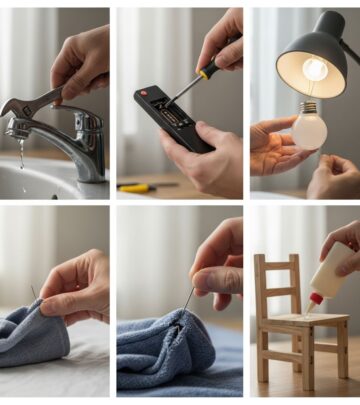
- Fix Leaks and Moisture: Pests thrive in damp areas. Repair dripping faucets, use dehumidifiers, and run exhaust fans to dry out bathrooms and kitchens.
- Secure Food and Trash: Store pantry items in airtight containers, wipe counters daily, and use lidded trash bins. Take out garbage frequently to avoid drawing flies and rodents.
- Yard Maintenance: Trim bushes away from the house, remove standing water, and keep gutters clean to deter outdoor pests from migrating indoors.
These steps, recommended by extension services, create an inhospitable environment without any products.
DIY Remedies for Common Pests
Household staples double as potent pest fighters. Mix and apply these safely, keeping them away from children and pets.
Ants
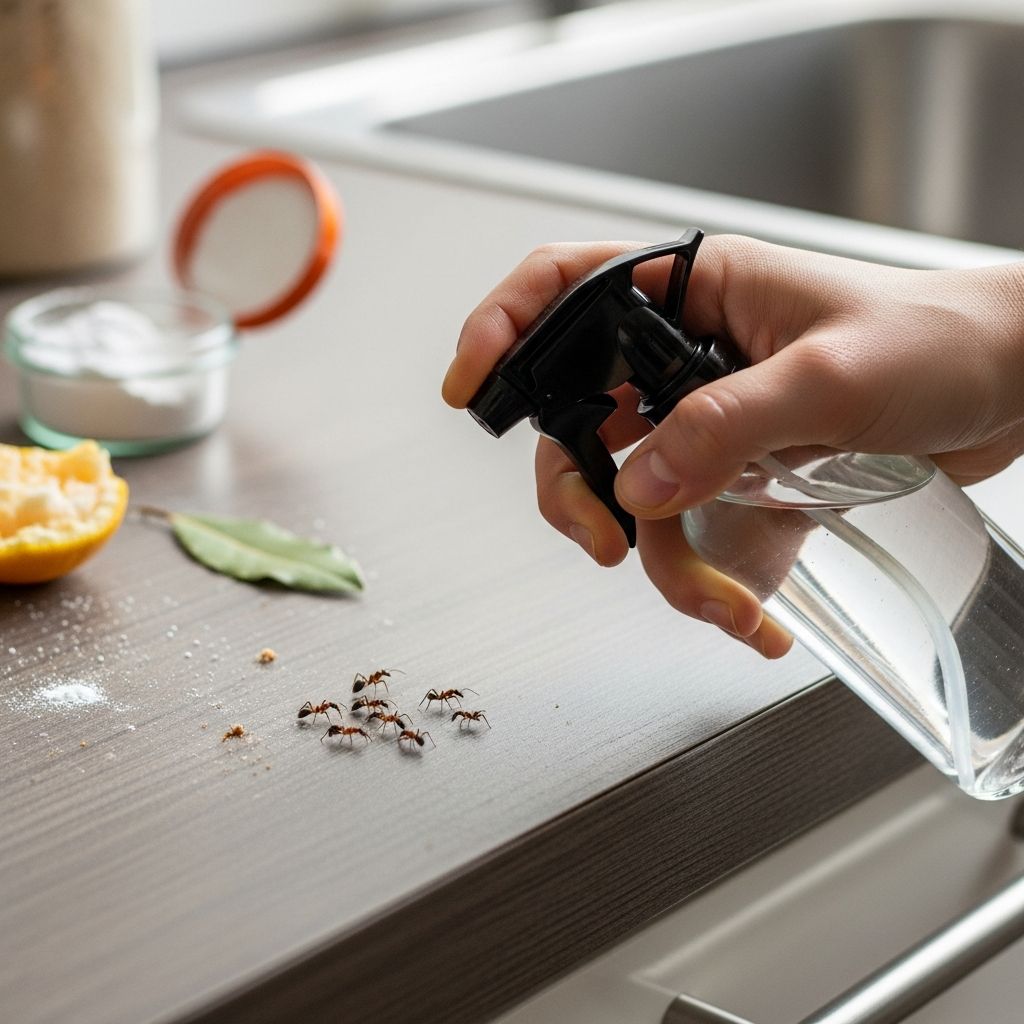
Ants follow pheromone trails indoors. Disrupt them with these low-cost sprays:
- Vinegar Solution: Mix equal parts white vinegar and water. Spray entry points, trails, and counters. The acetic acid erases scents and repels ants.
- Lemon Juice: Squeeze fresh lemons or use bottled juice diluted with water. Wipe surfaces to deter foraging.
- Boric Acid Bait: Combine 1 part boric acid, 3 parts sugar, and water into a paste. Place near trails (out of reach). Ants carry it back to the colony, killing it from within.
Cockroaches
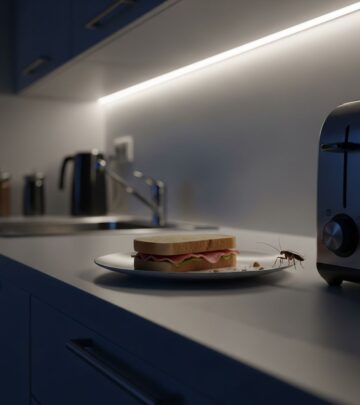
Roaches hide in dark, warm spots. Target them with baits and desiccants.
- Baking Soda and Sugar: Mix equal parts and sprinkle in cabinets and under sinks. Sugar lures them; baking soda reacts in their stomachs.
- Diatomaceous Earth (DE): Food-grade DE is a natural powder that dehydrates roaches. Dust lightly in cracks and voids.
- Essential Oils: Peppermint or eucalyptus oil (10 drops per cup water) sprayed in hiding spots repels and kills on contact.
Fruit Flies and Gnats
These breed in overripe produce and drains.
- Apple Cider Vinegar Trap: Pour vinegar into a jar, add dish soap, cover with plastic wrap poked with holes. Flies drown inside.
- Drain Cleaner: Pour boiling water or baking soda-vinegar mix down drains weekly.
Other Insects: Spiders, Moths, Fleas
- Peppermint Spray: For spiders and fleas, dilute peppermint oil and spray baseboards and pet areas.
- Cedar Chips: Place in closets for moths; the aroma repels them naturally.
- Neem Oil: A natural insecticide; mix with water and soap for aphids or mites on plants.
Effective Traps on a Budget
Traps monitor and reduce populations without chemicals.
| Pest | Trap Type | How to Make/Use | Cost |
|---|---|---|---|
| Ants/Roaches | Sticky Traps | Coat cardboard with petroleum jelly or buy cheap pads. Place along walls. | <$5 |
| Rodents | Snap Traps | Bait with peanut butter. Set perpendicular to walls in dark areas. | $1-2 each |
| Fruit Flies | Jar Trap | Vinegar + soap in jar with funnel top. | Free |
| Pantry Moths | Pheromone Traps | DIY with flour + pheromones or store-bought sticky versions. | <$10/pack |
Check traps weekly to gauge infestation levels and adjust strategies.
Natural Outdoor Pest Control
Protect your yard with plant-based repellents from extension resources.
- Hot Pepper Spray: Blend peppers with water, strain, and spray plants. Repels aphids, beetles.
- Tomato Leaf Spray: Steep leaves in hot water for aphid control (avoid nightshades).
- Soap Spray: 2 tbsp grated soap in 1.5L water suffocates soft-bodied pests.
- Wood Ash: Dust around plants to dehydrate slugs and snails.
Reapply after rain. These biopesticides, developed for sustainable agriculture, minimize environmental harm.
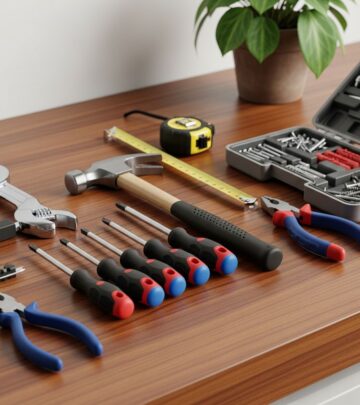
Tools That Make DIY Easier
A basic sprayer ($20-50) amplifies remedies.
- Handheld or Backpack Sprayer: Evenly applies solutions to large areas, creating barriers around foundations.
- Duster for Powders: Like for DE or boric acid, ensures precise application in voids.
Sprayers pay for themselves after one pro service avoidance.
When to Call a Professional
DIY works for mild issues, but severe infestations (e.g., termites, bed bugs) require experts. Signs include persistent sightings despite treatments, structural damage, or health risks like allergies. Use DIY for prevention and monitoring first.
Frequently Asked Questions (FAQs)
Q: Are DIY pest methods safe for pets and kids?
A: Yes, when using natural options like vinegar or DE. Keep baits inaccessible and ventilate during application.
Q: How long do natural remedies last?
A: Repellents need weekly reapplication; baits can last 1-2 months. Prevention extends effectiveness.
Q: Can I use essential oils indoors?
A: Dilute properly (10-15 drops per cup water) and test small areas to avoid residue.
Q: What’s the best bait for mice?
A: Peanut butter outperforms seeds; refresh every few days.
Q: Do these methods work outdoors?
A: Yes, combine sprays, traps, and yard hygiene for comprehensive control.
Implementing these strategies can keep your home pest-free year-round. Start with prevention, deploy targeted remedies, and monitor with traps for optimal results.
References
- Making Natural Pest Controls — Peace Corps. 2023-05-15. https://www.peacecorps.gov/educators-and-students/educators/resources/making-natural-pest-controls/
- DIY Pest Control — The Home Depot. 2024-08-20. https://www.homedepot.com/c/alp/outdoor-living-ideas-diy-pest-control/157n-nprn
- Defend Your Home: Cost-Effective DIY Pest Control Strategies — Tomahawk Power. 2024-03-10. https://tomahawk-power.com/blogs/articles/defend-your-home-cost-effective-diy-pest-control-strategies
- Can DIY Treatments Eliminate Pests? — Visionary Fert. 2023-11-05. https://www.visionaryfert.com/are-diy-treatments-effective-at-eliminating-pests
- The Ultimate Guide to DIY Pest Control for Your Home — Horizon Pest Control. 2024-07-12. https://horizonpestcontrol.com/the-ultimate-guide-to-diy-pest-control-for-your-home/
Similar Articles








Read full bio of medha deb