Cheap Healthy Food Staples: 9 Budget Pantry Essentials
Discover affordable pantry essentials that deliver nutrition without breaking the bank—stock up smart and eat well on any budget.
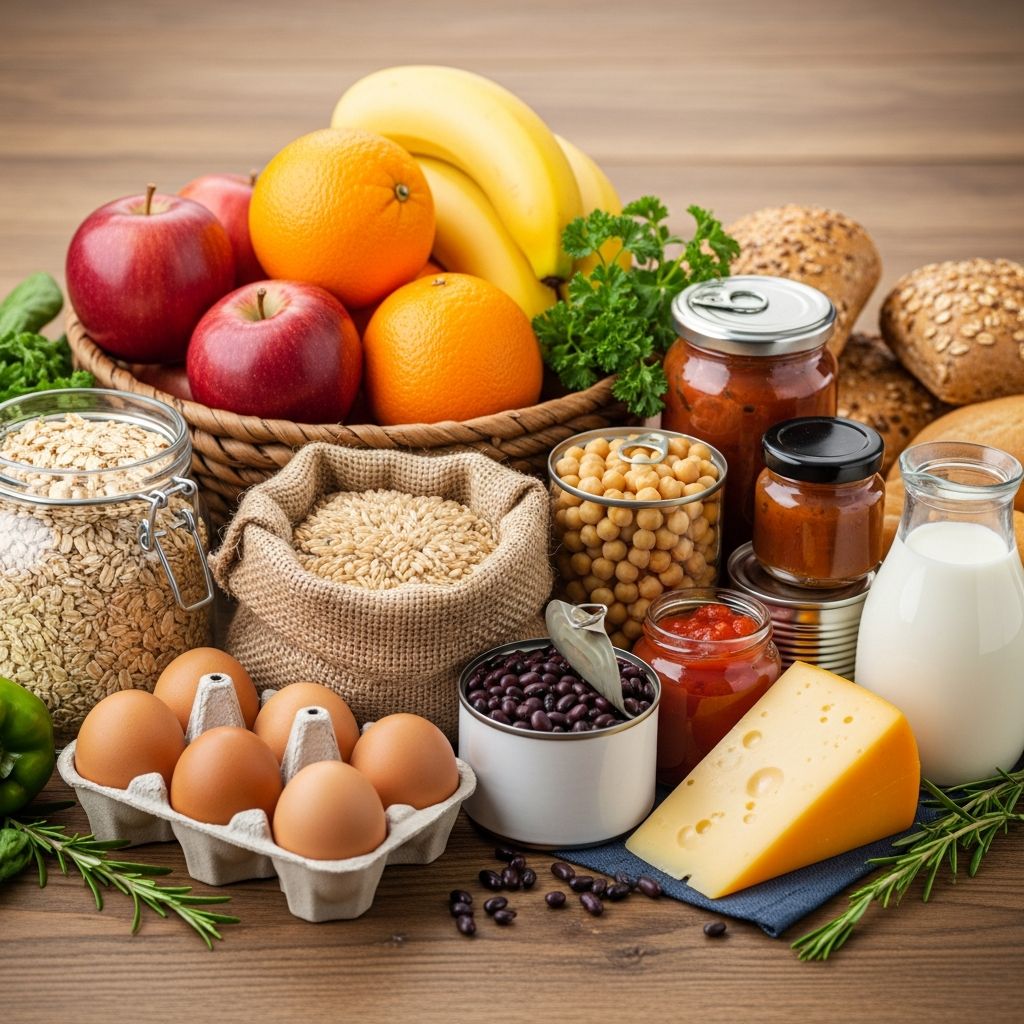
Eating healthy doesn’t have to drain your wallet. By focusing on
cheap healthy food staples
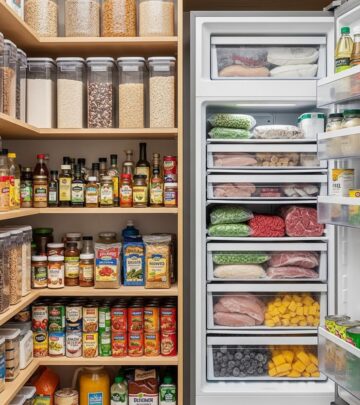
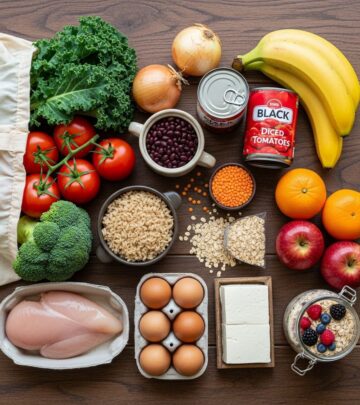
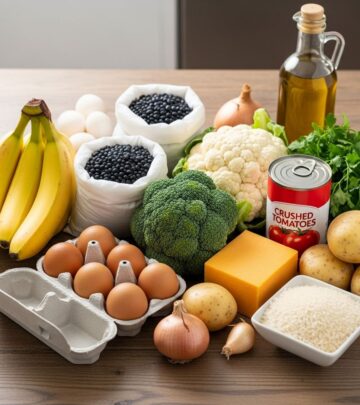
, you can build a pantry full of nutrient-dense ingredients that support balanced meals without overspending. These affordable essentials—like beans, rice, oats, and frozen vegetables—offer versatility, long shelf life, and impressive health benefits, making them ideal for budget-conscious shoppers.This guide covers key categories of pantry staples, including grains, proteins, canned and frozen goods, produce, dairy, and condiments. We’ll explore why each is a smart buy, approximate costs, nutritional perks, and simple meal ideas to maximize value. Drawing from dietitian recommendations and nutritional data, these staples average under $2 per pound or serving, helping you save hundreds annually on groceries.
Grains: The Foundation of Budget Meals
**Grains** form the backbone of inexpensive, filling meals. They’re rich in fiber, B vitamins, and minerals, promoting steady energy and digestion. Opt for whole grains bought in bulk to slash costs—often under $1-2 per pound.
- Brown rice: At about $2 per pound, brown rice delivers 3.23 grams of fiber per cup, plus magnesium, phosphorus, and manganese. Use it for stir-fries, bowls, or as a side.
- Oats: Rolled or old-fashioned oats cost around $2 per pound and pack B vitamins, iron, and 4 grams of fiber per cup. Perfect for overnight oats, porridge, or baking.
- Quinoa: Priced at $3-4 per pound, this complete protein grain provides all essential amino acids. Rinse and cook for salads or pilafs.
- Whole wheat pasta: Legume-based options like chickpea pasta add protein. Affordable at bulk bins, ideal for quick dinners with sauce.
- Other grains: Barley, farro, millet, and wild rice—buy in bulk for pennies per serving.
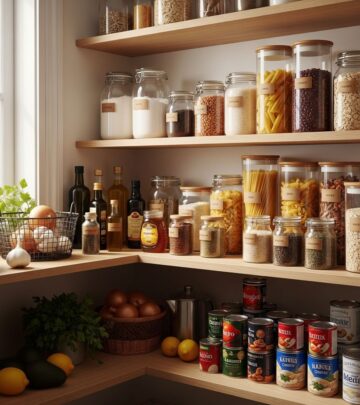
Pro tip: Store grains in airtight containers to extend freshness. A single bag of brown rice can yield 20+ servings, making it a staple for meal prepping.
Legumes and Beans: Protein Powerhouses on a Dime
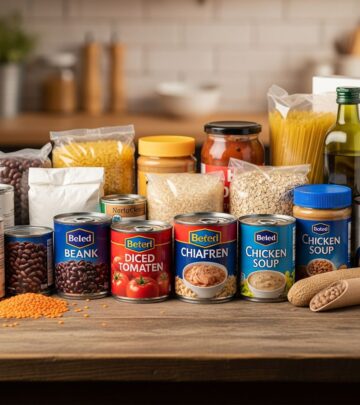
Dried or canned
beans and legumes
are among the cheapest proteins, offering fiber, folate, and plant-based nutrition at $1 or less per pound dry. They’re versatile for soups, salads, and mains.- Lentils: Quick-cooking and under $1.50 per pound, high in protein and iron. Red lentils make creamy dals in 20 minutes.
- Black beans, chickpeas, kidney beans: Canned versions average $0.80 per can (about 2 servings). Rinse to cut sodium; use in tacos or chili.
- Pintos and red beans: Dry beans cost pennies per serving after soaking. Stock up for hearty stews.
| Legume | Avg. Cost/lb | Key Nutrients | Meal Idea |
|---|---|---|---|
| Lentils | $1.20 | Protein, fiber, folate | Lentil soup |
| Chickpeas | $0.90 (canned) | Iron, magnesium | Hummus |
| Black beans | $1.00 | Fiber, antioxidants | Burrito bowls |
Health experts note legumes reduce heart disease risk and aid weight management due to their satiety-boosting fiber.
Canned and Jarred Goods: Convenience Without the Cost
**Canned items** provide year-round nutrition at low prices—often $0.91 per pound for tomatoes. Choose low-sodium options packed in water.
- Canned fish: Salmon, sardines, tuna ($1-2 per can) offer omega-3s for heart health. Mix into salads or pasta.
- Tomatoes: Diced or sauce at $0.91/lb, loaded with vitamin C (37% DV per cup). Base for sauces and stews.
- Other veggies: Artichokes, pumpkin, olives—add to grains or proteins.
- Coconut milk: Light versions for curries, under $2 per can.
These staples minimize food waste and enable quick meals like tuna-stuffed peppers or tomato lentil soup.
Frozen Foods: Nutrient-Locked and Budget-Friendly
**Frozen produce and proteins** retain vitamins better than fresh, often cheaper at $1-2 per pound. No spoilage worries.
- Vegetables: Broccoli, spinach, berries, mixed veggies—steam or blend into smoothies.
- Fruits: Berries, peaches for yogurt or baking, no added sugars.
- Proteins: Chicken breasts, shrimp, edamame (under $2/bag). Edamame provides vitamin K and trace minerals.
- Grains: Pre-cooked quinoa or rice for instant meals.
Frozen options like spinach ($3.83/lb fresh equivalent but cheaper frozen) support immune health with vitamins A, C, and K.
Produce: Fresh Picks That Last
Inexpensive
vegetables
like potatoes ($0.60/lb) and cabbage ($0.62/lb) deliver vitamins without rapid spoilage.- Potatoes and sweet potatoes: Russets for B6, sweets for beta-carotene (369% DV vitamin A).
- Carrots: $0.77/lb, rich in vitamin A for eyesight.
- Broccoli and cabbage: Vitamin C powerhouses with cancer-fighting glucosinolates.
- Bagged spinach: $3.83/lb but nutrient-dense for salads.
Buy in-season or bulk; store properly to stretch dollars.
Proteins: Lean Meats, Plant-Based, and Seafood
Affordable
proteins
keep meals satisfying. Mix animal and plant sources.- Chicken/turkey breast: Skinless, frozen for leanness.
- Tofu, tempeh, edamame: Plant-based at under $2/lb.
- Seafood: Canned or frozen cod, shrimp, salmon.
Dairy and Alternatives: Essential for Calcium
Low-fat
dairy
or plant milks provide calcium affordably.- Yogurt, milk: Greek yogurt for protein.
- Shelf-stable milks: Nut or oat varieties.
Nuts, Seeds, and Condiments: Flavor Boosters
**Nuts/seeds** (almonds, chia) add healthy fats; buy bulk. Condiments like mustard, vinegar, hot sauce enhance meals without calories.
Meal Planning and Shopping Tips
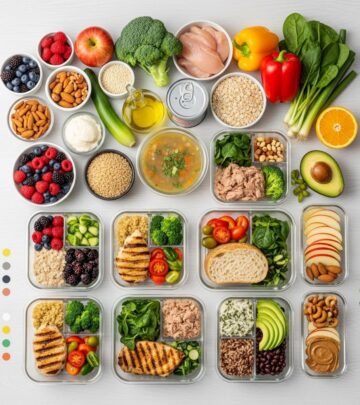
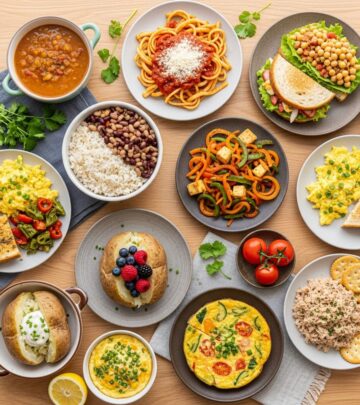
Plan around sales, use store brands, buy bulk. Weekly staples list: rice, beans, oats, frozen veggies, canned tomatoes. Sample weekly plan:
- Monday: Lentil soup with carrots.
- Tuesday: Veggie stir-fry over rice.
- Wednesday: Tuna salad wrap.
This approach saves 20-30% on groceries while meeting nutritional needs.
Frequently Asked Questions (FAQs)
Q: What are the cheapest healthy staples?
A: Beans, rice, oats, potatoes, and canned tomatoes—often under $1/lb with high nutrition.
Q: How do I store pantry staples?
A: Airtight containers in cool, dry places; freeze grains and proteins for longevity.
Q: Can I eat healthy on $50/week?
A: Yes, focusing on these staples and sales yields balanced meals.
Q: Are canned foods healthy?
A: Choose low-sodium, BPA-free; they retain most nutrients.
Q: Best bulk buys?
A: Grains, legumes, nuts from warehouse clubs or bins.
References
- A Healthy Grocery List You Can Actually Afford — Good Housekeeping. 2022-05-01. https://www.goodhousekeeping.com/health/diet-nutrition/a40365021/healthy-grocery-list/
- 28 Healthy Foods That Are Incredibly Cheap — Healthline. 2023-10-15. https://www.healthline.com/nutrition/29-cheap-healthy-foods
- Staple Ingredients for Quick Healthy Meals — American Heart Association. 2024-01-10. https://www.heart.org/en/healthy-living/healthy-eating/cooking-skills/meal-planning/staple-ingredients-for-quick-healthy-meals
- How To Stock a Healthy Pantry — Nourished by Nutrition. 2023-08-20. https://nourishedbynutrition.com/how-to-stock-a-healthy-pantry/
Similar Articles








Read full bio of medha deb