How To Plant A Cheap Garden: Expert Tips For Big Savings
Discover expert gardener tips to build a thriving garden on a budget without sacrificing beauty or productivity.
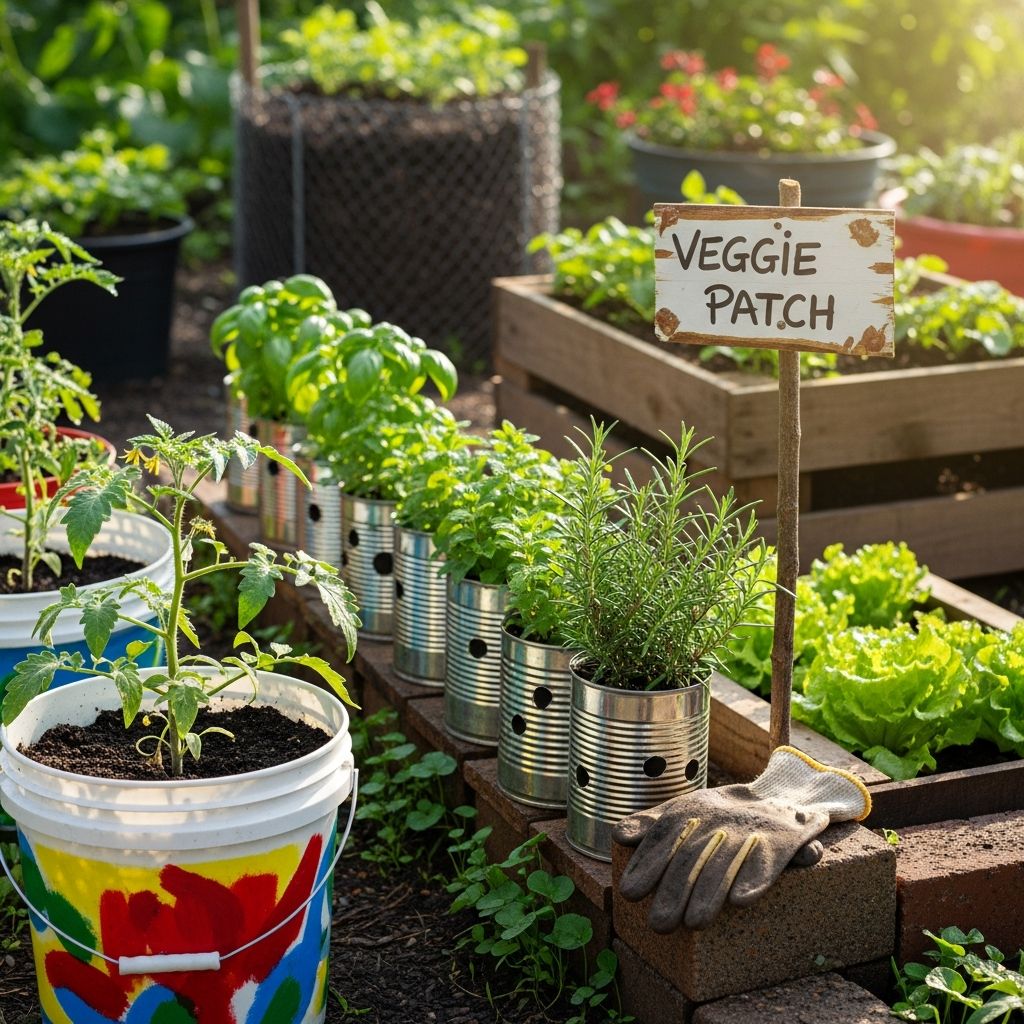
Creating a lush, productive garden doesn’t require a big budget. With smart strategies, you can grow fresh produce, vibrant flowers, and greenery while saving money. Gardeners share proven tips on sourcing affordable plants, seeds, soil, tools, and maintenance hacks to build your dream garden on the cheap.
Start with Cheap Seeds for Big Savings
Seeds are the most economical way to kick off your garden. A single packet costing under $5 can yield dozens of plants, far cheaper than buying starters or mature plants from nurseries.
- Choose high-yield varieties: Opt for seeds of vegetables like tomatoes, lettuce, beans, and herbs that produce abundantly from one plant.
- Buy in bulk or heirloom seeds: Heirloom varieties can be saved year after year, creating a self-sustaining garden.
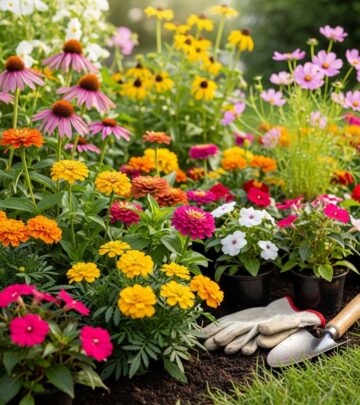
- Native and wildflower seeds: These are adapted to your climate, requiring less water and care, and often available for pennies per packet.
For example, a $3.49 packet of wildflower seeds can fill an entire bed and provide seeds for future seasons at no extra cost. Online sources specializing in native seeds offer exceptional value for regional gardening success.
Source Free or Low-Cost Plants
Skip expensive nursery prices by tapping into community resources and propagation techniques.
- Plant swaps with neighbors: Organize or join local swaps where gardeners trade cuttings, divisions, and seedlings for free.
- Neighborhood curbside finds: Before trash day, scout for healthy cuttings or overgrown plants discarded by others—often thriving with a little TLC.
- Local markets and extension sales: Farmers’ markets and university extension offices host plant sales with deep discounts on native and propagated plants.
Local nurseries beat big-box stores for quality and deals—watch for weekly sales on natives that survive better in your area, maximizing your investment.
Build Nutrient-Rich Soil Without Spending
Healthy soil is the foundation of a cheap garden. Make your own for free using household waste.
Compost at Home
Turn kitchen scraps, yard waste, and paper into “black gold” soil amendment. No yard? Use a countertop bin or worm composter.
- Layer greens (veggie peels) and browns (leaves, cardboard).
- Tomato seeds in overripe produce often sprout in compost piles, giving free volunteer plants.
DIY Potting Mix
Mix garden soil, compost, and sand or perlite for custom blends cheaper than bagged soil.
| Ingredient | Source | Cost |
|---|---|---|
| Compost | Home pile | Free |
| Garden soil | Your yard | Free |
| Sand/perlite | Local source or bulk buy | $5/bag |
This mix supports strong roots and cuts fertilizer needs by 50% or more.
Cheap Tools and Supplies Every Gardener Needs
You don’t need fancy gadgets. Basic tools last years with proper care.
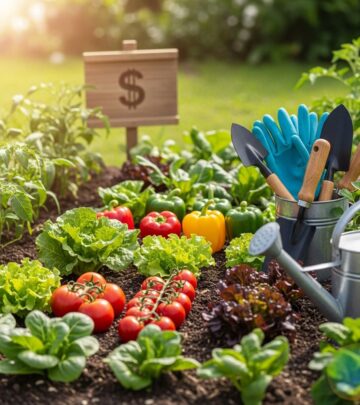
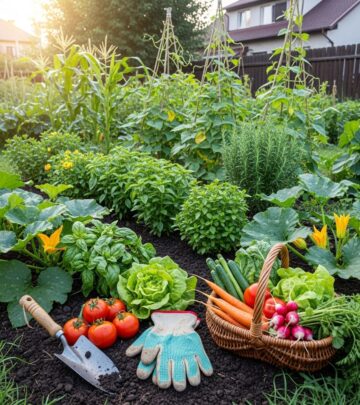
- Essentials under $20 total: Trowel, gloves, watering can, pruners, and a bucket for weeding.
- Repurpose household items: Use yogurt containers as seed starters, old forks for weeding, and cardboard for mulch.
- Bulk buys: Garden centers offer end-of-season deals on hoses, pots, and fertilizers.
Invest in quality basics once; they’ll pay off over time versus replacing cheap knockoffs.
Frugal Garden Layout and Planning
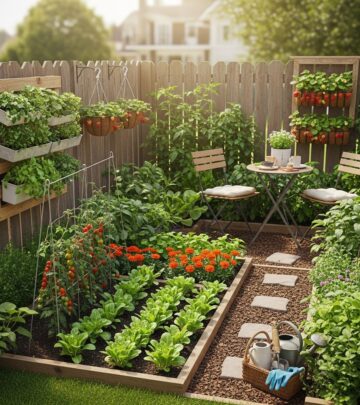
Maximize space and yield with smart design.
- Vertical gardening: Trellises from sticks and twine support vining plants, freeing ground space.
- Companion planting: Pair marigolds with tomatoes to deter pests naturally, reducing chemical costs.
- Square foot gardening: Intensive planting in raised beds (built from free pallets) yields more per square foot.
Plan for sun exposure and crop rotation to prevent soil depletion without extra inputs.
Watering and Maintenance on a Budget
Water is often the biggest ongoing cost—conserve with these hacks.
- Rain barrels: Collect rooftop runoff in repurposed barrels (often free from neighbors).
- Drip irrigation: DIY from old hoses or soaker hoses bought on clearance.
- Mulch heavily: Free leaves, grass clippings, or newspapers retain moisture and suppress weeds.
Harvest rainwater to slash bills— one barrel can water a 100 sq ft garden weekly.
Seasonal Strategies for Year-Round Savings
Time purchases and plantings with nature’s cycles.
- Spring: Start seeds indoors for transplanting.
- Summer clearance: Buy discounted annuals past peak.
- Fall: Plant perennials and garlic for next year.
- Winter: Force bulbs and plan swaps.
Off-season shopping yields 50-70% discounts on tools and plants.
Propagation: Grow Your Garden for Free
Master cuttings and division to multiply plants endlessly.
- Stem cuttings: Use plastic bags as mini-greenhouses—dip in water, seal partially for humidity.
- Division: Split perennials like hostas every 3 years.
- Layering: Bend stems to root in soil while still attached.
One pothos cutting becomes a full hanging plant in weeks, saving $20+ retail.
Choosing Cost-Effective Crops
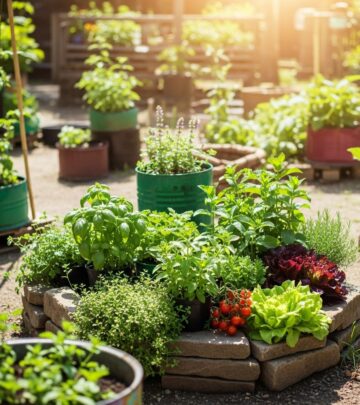
Grow what saves the most: herbs, greens, and cherry tomatoes over pricey organics.
| Crop | Seed Cost | Yield Value | ROI |
|---|---|---|---|
| Basil | $2/pkt | $50/season | 25x |
| Lettuce | $1.50 | $30 | 20x |
| Green Beans | $3 | $40 | 13x |
Focus on continuous harvest crops for steady savings.
Frequently Asked Questions (FAQs)
What is the cheapest way to start a garden?
Begin with seeds in repurposed containers and homemade compost soil. Total startup under $10.
Where can I get free plants?
Neighbor swaps, curbside cuttings, farmers’ markets end-of-day deals, and extension office sales.
How do I make soil cheap?
Compost kitchen waste and mix with yard soil. Add free mulch from leaves or grass.
What tools do I really need?
Trowel, gloves, pruners, watering can. Repurpose household items for the rest.
Can I garden without a yard?
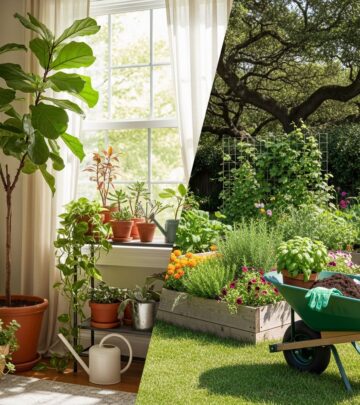
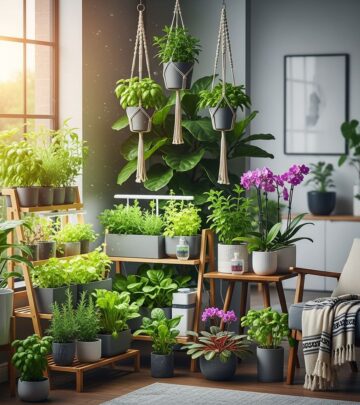
Yes! Use containers, vertical space, and windowsills for herbs and greens.
How much can I save growing my own food?
A 100 sq ft veggie garden can save $200-500/year on groceries.
Pro Tips from Expert Gardeners
- Check plant health before buying: Firm roots, vibrant leaves, no pests.
- Buy natives for low maintenance and high survival.
- Use apps for local swap groups and free plant alerts.
- Document successes to repeat next year.
With these strategies, your cheap garden will flourish, providing beauty, food, and savings season after season.
References
- Where To Buy Cheap Plants — Or Grow Your Own for Free — The Penny Hoarder. 2023-05-15. https://www.thepennyhoarder.com/save-money/cheap-plants/
- How To Plant a Cheap Garden, According to Gardeners — The Penny Hoarder. 2023-06-20. https://www.thepennyhoarder.com/save-money/cheap-garden/
- Plant a Cost-Effective Garden: These Veggies are Cheaper to Grow — The Penny Hoarder. 2023-04-10. https://www.thepennyhoarder.com/save-money/can-gardening-save-money/
- National Gardening Association Gardening Report — National Gardening Association. 2022-01-01. https://garden.org/research/
Similar Articles








Read full bio of Sneha Tete