Cheap Breakfast Ideas: 6 Easy, Budget-Friendly Recipes
Discover 6 easy, affordable breakfast ideas from nutritionists that save money without sacrificing nutrition or taste.
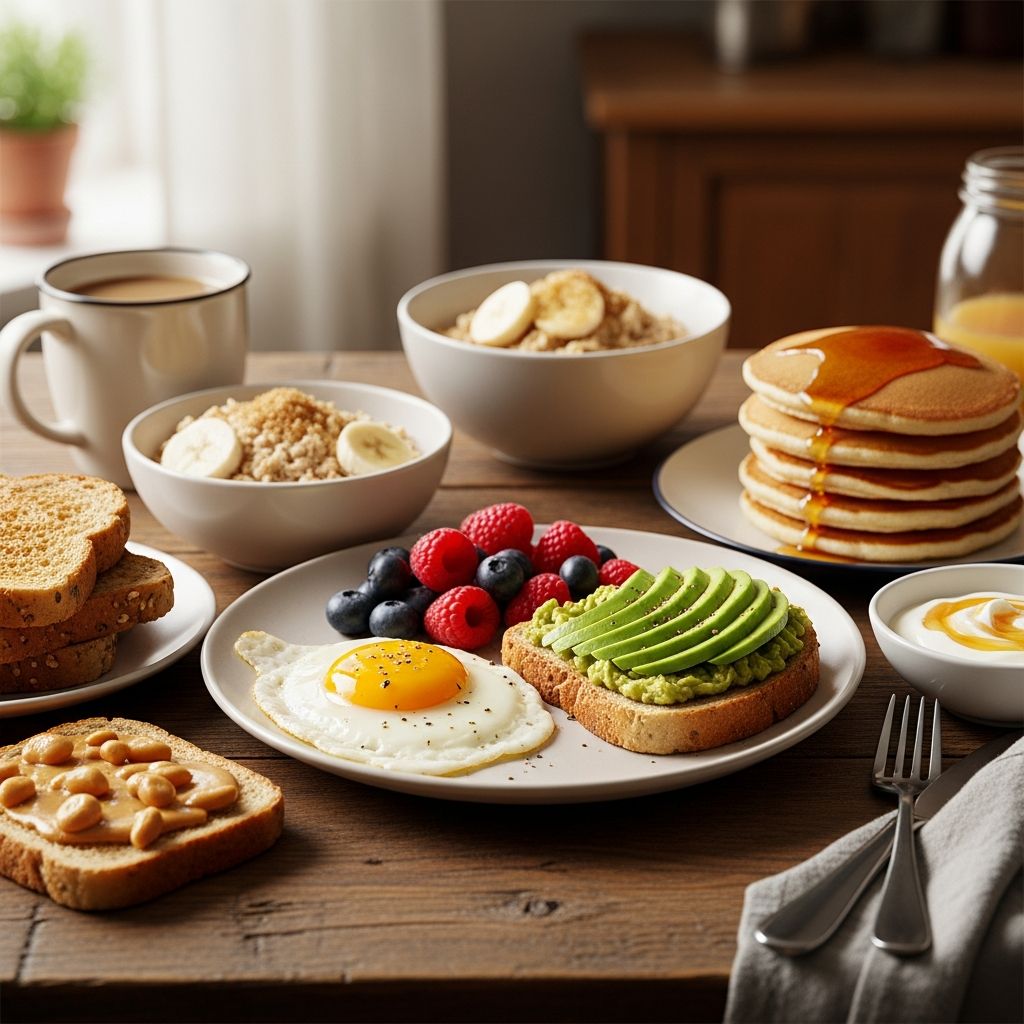
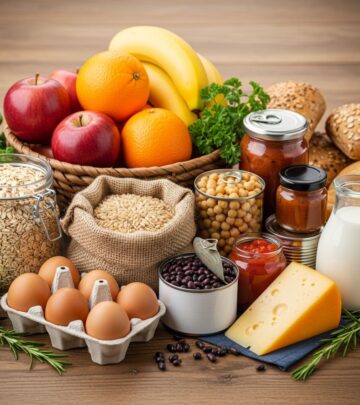
Starting your day with a nutritious breakfast doesn’t have to drain your wallet. Nutritionists recommend focusing on simple, versatile ingredients like old-fashioned rolled oats, eggs, milk, plain yogurt, frozen fruit, frozen spinach, nut butter, and toast. These staples are inexpensive, widely available, and packed with essential nutrients to fuel your morning.
By sticking to
budget-friendly breakfast ideas
, you can save hundreds on groceries annually while maintaining health. According to the U.S. Department of Agriculture (USDA), average grocery spending exceeds $5,000 per household yearly, with breakfast items often overlooked for savings opportunities. This guide covers six expert-recommended options, complete with tips for meal prepping, cost breakdowns, and variations to keep things interesting.Why Choose Cheap Breakfast Ideas?
Affordable breakfasts offer more than just savings—they promote consistency. Registered dietitian Rebecca Clyde emphasizes repeatable meals using
pantry staples
to avoid decision fatigue and waste. Benefits include:- Cost savings: Under $1 per serving on average.
- Nutrition boost: High in fiber, protein, and vitamins from whole foods.
- Time efficiency: Prep in under 10 minutes.
- Versatility: Customize for dietary needs like gluten-free or vegan.
Meal planning amplifies these advantages. Shop seasonally for frozen produce, buy store brands, and eat the same breakfast daily to minimize variety-induced spending, as suggested by budgeting experts.
1. Overnight Oats
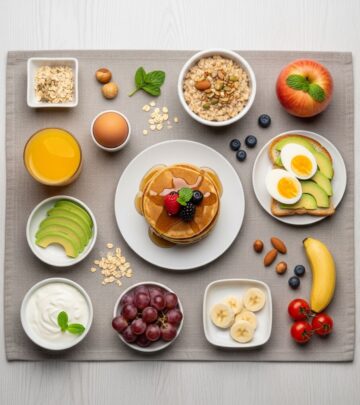
Old-fashioned rolled oats are a nutritionist’s top pick for their affordability (about $0.20 per serving) and versatility. Soak them overnight in milk or yogurt for a no-cook meal ready by morning.
Basic Recipe (Serves 1):
- ½ cup rolled oats
- ½ cup milk (dairy or plant-based)
- ¼ cup plain yogurt
- Toppings: Frozen fruit, nut butter
Mix in a jar, refrigerate overnight. Cost: ~$0.75. Nutrition: Fiber from oats stabilizes blood sugar; yogurt adds probiotics.
Variations:
- Peanut butter banana: Add 1 tbsp nut butter and sliced banana.
- Berry blast: Thaw frozen berries for natural sweetness.
- Chocolate protein: Stir in cocoa powder and a scoop of protein powder.
Batch prep 5 jars on Sunday for the week—saves time and ensures you skip pricey coffee shop grabs.
2. Egg-Based Breakfasts
Eggs are powerhouse foods at roughly $0.25 each, offering 6g protein per egg. Scramble, boil, or make frittatas with frozen spinach for greens without spoilage worries.
Simple Spinach Scramble (Serves 1):
- 2 eggs
- ½ cup frozen spinach (thawed)
- Salt, pepper, toast
Microwave spinach, whisk eggs, cook in a pan. Total time: 5 minutes. Cost: ~$0.60. Eggs provide choline for brain health, per USDA guidelines.
Meal Prep Tip: Bake egg muffins in a muffin tin with veggies. Freeze and reheat for grab-and-go. Yields 12 muffins for under $5.
Variations:
- Veggie frittata: Add frozen peppers.
- Egg toast: Top nut butter toast with a fried egg.
3. Yogurt Parfaits
Plain yogurt (~$0.50/serving) is probiotic-rich and pairs perfectly with frozen fruit, avoiding fresh produce waste. Layer for a parfait that feels indulgent.
Recipe (Serves 1):
- 1 cup plain yogurt
- ½ cup frozen fruit (berries, mango)
- 2 tbsp oats or granola
Thaw fruit slightly, layer in a glass. Cost: ~$0.80. High calcium and vitamin C content supports immunity.
Pro Tip: Buy yogurt in bulk tubs and portion into reusables. Add nut butter for sustained energy.
4. Nut Butter Toast
Whole grain toast with nut butter delivers quick protein and healthy fats for ~$0.40. Opt for natural nut butters without added sugar.
Ultimate Toast (Serves 1):
- 1 slice whole grain bread
- 2 tbsp nut butter
- Toppings: Sliced frozen banana or apple
Toast, spread, top. Versatile ingredient like peanut butter pulls double duty in smoothies or snacks.
5. Smoothies with Frozen Fruit
Frozen fruit is cheaper year-round ($2-3/bag) and nutrient-dense. Blend for a 2-minute meal.
Green Smoothie (Serves 1):
- 1 cup frozen spinach
- 1 cup frozen fruit
- ½ banana
- 1 cup milk
Blend until smooth. Cost: ~$1.00. Retains vitamins better than fresh.
6. Chia Pudding or Savory Options
Extend staples with chia seeds (if affordable) soaked in milk, or savory oats with eggs. Chia pudding: Mix 3 tbsp chia, 1 cup milk, refrigerate. Top with fruit. Cost: ~$0.90.
Meal Planning Tips for Cheap Breakfasts
To maximize savings:
- Eat the same breakfast daily: Reduces ingredient variety.
- Shop sales/seasonal: Stock frozen items.
- Versatile buys: Use oats in savory porridges too.
- Prep ahead: Like freezer breakfast burritos with eggs, beans.
| Breakfast Idea | Cost/Serving | Prep Time | Key Nutrients |
|---|---|---|---|
| Overnight Oats | $0.75 | 5 min (prep night before) | Fiber, Probiotics |
| Egg Scramble | $0.60 | 5 min | Protein, Choline |
| Yogurt Parfait | $0.80 | 3 min | Calcium, Vitamin C |
| Nut Butter Toast | $0.40 | 2 min | Healthy Fats, Protein |
| Smoothie | $1.00 | 2 min | Vitamins, Antioxidants |
| Chia Pudding | $0.90 | 5 min (prep ahead) | Omega-3s, Fiber |
Frequently Asked Questions (FAQs)
Q: Can I make these breakfasts vegan?
A: Yes, swap dairy milk/yogurt for plant-based alternatives and use flax eggs for egg-free options.
Q: How do I store meal-prepped breakfasts?
A: Refrigerate oats/parfaits up to 5 days; freeze egg muffins up to 1 month. Thaw overnight.
Q: Are store-brand ingredients as good?
A: Often identical to name brands at half the price—check for minimal additives.
Q: What’s the cheapest staple?
A: Oats and eggs, under $0.25/serving in bulk.
Q: Can kids eat these?
A: Customize with fun toppings like fruit shapes for variety while keeping costs low.
Incorporate these
cheap breakfast ideas
into your routine to slash food bills and boost health. Consistent habits like daily oats or eggs build long-term savings.References
- USDA Dietary Guidelines for Americans, 2020-2025 — U.S. Department of Agriculture. 2020-12-01. https://www.dietaryguidelines.gov/sites/default/files/2020-12/Dietary_Guidelines_for_Americans_2020-2025.pdf
- Probiotics in Yogurt and Gut Health — National Institutes of Health (NIH). 2023-05-15. https://www.ncbi.nlm.nih.gov/pmc/articles/PMCPMC9982458/
- Household Food Spending Patterns — U.S. Bureau of Labor Statistics. 2024-09-10. https://www.bls.gov/news.release/cesan.nr0.htm
- Nutrition Facts for Eggs — USDA FoodData Central. 2022-01-18. https://fdc.nal.usda.gov/fdc-app.html#/food-details/171287/nutrients
- Frozen vs Fresh Produce Nutrients — Harvard T.H. Chan School of Public Health. 2023-11-02. https://www.hsph.harvard.edu/nutritionsource/frozen-fruits-and-vegetables/
Similar Articles








Read full bio of medha deb