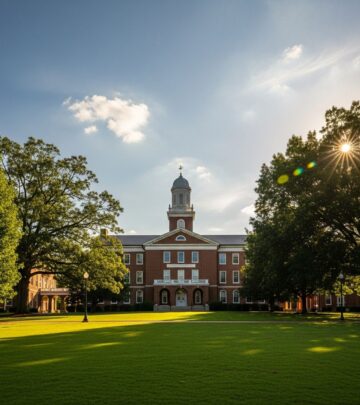
Chatham University: A Leading Choice for Social Mobility
Discover why Chatham University ranks among America's best colleges for value and social mobility.

Chatham University: A Premier Institution for Value and Opportunity
Chatham University has established itself as a leading educational institution in Pennsylvania, consistently recognized for its commitment to academic excellence, affordability, and social mobility. Founded in 1869, this fully coeducational university has evolved into a comprehensive institution serving over 2,200 students across more than 60 undergraduate and graduate programs. The university’s dedication to providing quality education that transforms lives has earned it recognition from prestigious ranking organizations, positioning it as an excellent choice for students seeking both academic rigor and financial value.
National Rankings and Recognition
Chatham University has earned impressive rankings from multiple authoritative sources in higher education. The institution was included in the Wall Street Journal and College Pulse 2025 Best Colleges in the US Ranking, which evaluated the top 500 institutions out of over 4,000 colleges and universities nationwide. These rankings prioritize value to students, measuring learning environment quality, years to pay off net price, degree completion rates, likelihood of higher salaries post-graduation, and diversity metrics derived from official U.S. Department of Education and Census Bureau data, combined with surveys of approximately 110,000 undergraduates and recent alumni.
In College Factual’s 2025 comprehensive analysis of 2,152 colleges and universities, Chatham University ranked #661 overall in the United States and notably secured #39 among Pennsylvania colleges. The U.S. News & World Report’s Best Colleges 2026 ranking recognized Chatham as a Best College in the National Universities category, evaluating nearly 1,500 national institutions on up to 17 measures of academic quality. Most impressively, Chatham was ranked among the top 50 institutions nationally for Social Mobility in the National Universities category, maintaining its position as Pennsylvania’s top university for social mobility—a distinction that reflects the institution’s ability to help students with limited financial resources achieve upward mobility through education.
Social Mobility: A Core Institutional Strength
One of Chatham University’s most distinguishing characteristics is its exceptional performance in social mobility rankings. Among Pittsburgh-area colleges, Chatham ranked highest for Social Mobility, receiving recognition for how effectively the institution enhances students’ socioeconomic prospects. Social mobility metrics evaluate how colleges serve higher proportions of lower-income students while maintaining strong graduation rates, positively impacting graduate salaries, and maintaining affordable college costs.
This recognition underscores Chatham’s mission to serve students regardless of their financial background, providing pathways to meaningful careers and improved quality of life. The university’s commitment to accessibility and affordability makes it an attractive option for first-generation college students and those from disadvantaged backgrounds seeking transformative educational experiences.
Admissions Requirements and Student Profile
Acceptance Rate and Selectivity
Chatham University maintains a moderately selective admissions process. The acceptance rate ranges from 66-79%, indicating that while the institution welcomes qualified applicants, it maintains reasonable academic standards. This competitive acceptance rate reflects Chatham’s balance between accessibility and academic quality, making it achievable for strong students while maintaining institutional rigor.
Standardized Test Scores
For applicants considering Chatham, understanding test score expectations is essential. The university evaluates both SAT and ACT scores as part of its selective admissions policy based on entrance examinations, past academic records, and grades.
| Metric | 25th Percentile | 75th Percentile |
|---|---|---|
| SAT Evidence-Based Reading & Writing | 550 | 670 |
| SAT Math | 510 | 620 |
| SAT Composite | 1060 | 1300 |
| ACT Composite | 21 | 28 |
Approximately 36% of accepted students submitted SAT scores, and these score ranges provide prospective applicants with clear targets for their standardized test preparation.
Academic Programs and Fields of Study
Chatham University offers diverse academic pathways across multiple disciplines. The institution provides undergraduate and graduate degrees across six main fields of study including Arts and Humanities, Liberal and Computational Studies, Business and Sciences, Medicine and Health, Science and Technology, and Engineering. Students can pursue associate degrees, bachelor’s degrees, master’s degrees, and doctoral degrees, providing flexible educational options for various career goals and academic interests.
Highly Ranked Programs
Several programs at Chatham demonstrate exceptional strength. Biological and Biomedical Sciences represents the highest-ranked major at the institution. Additionally, Chatham has developed particular strength in nursing and healthcare-related fields, reflecting growing demand in the medical sector. The university’s focus on practical, career-oriented education ensures students gain skills directly applicable to their chosen professions.
Cost of Attendance and Financial Aid
Understanding the financial investment required for Chatham University education is crucial for prospective students. Tuition and fees range from $40,000-$44,999 annually for both undergraduate local and international students. Graduate programs are more affordable, with costs ranging from $17,500-$19,999 per year, making advanced degrees accessible to more students.
The Wall Street Journal and College Pulse rankings specifically emphasize how well Chatham positions students to pay off their net price, indicating that despite sticker price, the university provides strong financial value through scholarships, grants, and other aid mechanisms. This focus on affordability and financial accessibility directly supports Chatham’s social mobility mission.
Campus Life and Student Experience
Faculty Quality and Student Support
Chatham University distinguishes itself through its exceptional faculty engagement. The full-time faculty percentage reaches 100%, significantly higher than the national average of 47%. This commitment to full-time faculty ensures consistent student support, mentorship, and access to experienced educators who are invested in institutional success.
Student Retention and Satisfaction
The freshman retention rate of 80% demonstrates that first-year, full-time students find sufficient satisfaction and support to return for additional years. This rate exceeds the national average of 68%, indicating strong student-institution fit and effective support systems.
Sustainability and Environmental Leadership
Chatham University has earned recognition as a leader in sustainability and environmental responsibility. The institution was selected as one of The Princeton Review’s Top 50 Green Colleges and ranks in the top five nationally for sustainability achievements according to the Sustainability Tracking, Assessment, & Rating System (STARS). This commitment reflects the legacy of notable alumna Rachel Carson (Class of 1929), the environmental icon whose work continues to inspire institutional values. Chatham’s sustainability focus makes it an excellent choice for environmentally conscious students.
Accreditation and Academic Credibility
Chatham University received formal recognition and accreditation dating back to 1924, establishing over a century of institutional credibility. This long history of recognized quality assurance demonstrates the university’s consistent commitment to maintaining rigorous academic standards and continuous improvement.
Why Choose Chatham University?
Several compelling factors make Chatham an attractive option for prospective students. The institution combines affordability with academic quality, offers strong programs with particular excellence in healthcare and sciences, demonstrates genuine commitment to social mobility and diversity, provides robust faculty engagement through 100% full-time faculty, maintains high student retention rates indicating quality experiences, and integrates sustainability values into campus culture and operations.
Frequently Asked Questions
Q: What is Chatham University’s acceptance rate?
A: Chatham University’s acceptance rate ranges from 66-79%, making it a moderately selective institution. While competitive, the university welcomes qualified applicants who demonstrate academic promise and potential for success.
Q: What SAT scores do I need for Chatham University?
A: The middle 50% of admitted students scored between 1060-1300 on the SAT, with Evidence-Based Reading and Writing scores ranging from 550-670 and Math scores from 510-620. However, these represent middle ranges; strong applications may fall outside these parameters.
Q: How much does Chatham University cost?
A: Undergraduate tuition ranges from $40,000-$44,999 annually. Graduate programs are more affordable at $17,500-$19,999 per year. However, many students receive financial aid, scholarships, and grants that significantly reduce their net cost of attendance.
Q: Is Chatham University recognized for social mobility?
A: Yes, Chatham is exceptionally recognized for social mobility. It ranks among the top 50 national universities for social mobility and is Pennsylvania’s top-ranked university for this distinction, reflecting its commitment to serving lower-income students and facilitating upward economic mobility.
Q: What programs does Chatham University offer?
A: Chatham offers over 60 undergraduate and graduate programs across six main fields of study, including Arts and Humanities, Business and Sciences, Medicine and Health, and Science and Technology. Biological and Biomedical Sciences is the highest-ranked major, with particular strength in nursing and healthcare fields.
Q: What percentage of faculty are full-time at Chatham University?
A: Chatham University has 100% full-time faculty, meaning all instructors are fully committed to the institution. This exceeds the national average of 47% and indicates strong faculty investment in student success.
Q: Is Chatham University environmentally sustainable?
A: Yes, Chatham is recognized as a leader in sustainability. It was selected as one of The Princeton Review’s Top 50 Green Colleges and ranks in the top five nationally for sustainability achievements, building on the legacy of environmental pioneer Rachel Carson.
References
- Chatham University Ranked on the WSJ 2025 Best Colleges in the US List — Pulse (Chatham University Official News). 2025. https://www.pulse.chatham.edu/blog-announcements/chatham-university-ranked-on-the-wsj-2025-best-colleges-in-the-us-list
- Chatham University Overview — College Factual. 2025. https://www.collegefactual.com/colleges/chatham-university/
- U.S. News & World Report Names Chatham a Best College, PA’s Top University for Social Mobility — Pulse (Chatham University Official News). September 23, 2025. https://www.pulse.chatham.edu/blog-announcements/us-news-world-report-chatham-university-best-college-social-mobility
- Chatham University CU 2025 Ranking and Review — uniRank. 2025. https://www.unirank.org/us/uni/chatham-university/
- Chatham University Profile — Colleges of Distinction. 2025. https://collegesofdistinction.com/school/chatham-university/
- Wall Street Journal Ranks Chatham Among Best U.S. Colleges — Pulse (Chatham University Official News). 2025. https://www.pulse.chatham.edu/blog-announcements/wall-street-journal-ranks-chatham-among-best-us-colleges-list
Similar Articles








Read full bio of Sneha Tete