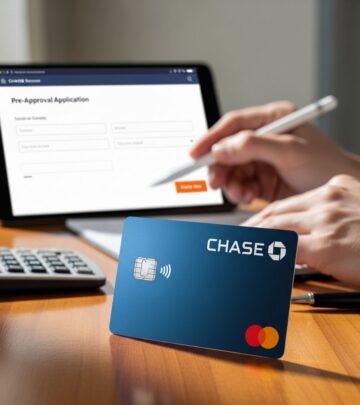
Chase Credit Card Pre-Approval: Complete Guide
Understand Chase pre-approval: how it works, eligibility requirements, and your next steps.

Credit card pre-approval can feel mysterious and confusing, but it’s actually a straightforward process designed to help you understand your eligibility for a credit card without damaging your credit score. Chase, one of the largest credit card issuers in the United States, offers a pre-approval process that gives potential cardholders a clear picture of whether they qualify for specific cards before committing to a full application. Understanding how this process works can help you make informed decisions about which credit cards to pursue and when to apply.
What is Chase Pre-Approval?
Chase pre-approval is an initial assessment that determines whether you’re likely to qualify for a specific credit card based on your credit profile and financial situation. Unlike pre-qualification, which is based solely on information you provide directly, pre-approval involves Chase conducting a review of your actual credit history through what’s known as a soft credit pull or soft inquiry.
Pre-approval indicates that Chase has already reviewed your credit profile and believes you meet their specific criteria for approval. This is different from pre-qualification, which is a more general estimate based on the details you’ve shared. When Chase extends a pre-approval offer, it signals stronger odds that you’ll receive final approval if you decide to apply for the card.
Key Differences Between Pre-Qualification and Pre-Approval
Understanding the distinction between these two terms is crucial for making smart credit decisions:
Pre-qualification involves a soft credit check that provides an estimate of credit card options you may be eligible for. It’s based on basic information you provide and does not guarantee approval or set specific offer terms in stone.
Pre-approval indicates that Chase has conducted a thorough review of your credit profile using a soft inquiry. Being pre-approved means you have met specific criteria set by Chase, which increases the likelihood of approval when you submit a formal application. It also provides more specific details about your offer, such as the credit limit and APR.
How Chase Pre-Approval Works
The Chase pre-approval process is designed to be quick, transparent, and non-invasive to your credit profile. Here’s a detailed breakdown of how the process unfolds:
Step 1: Information Collection
When you initiate a Chase pre-approval check, you’ll need to provide basic personal and financial information. This typically includes:
- Full name
- Home address
- Social Security number (last four digits)
- Total gross annual income
- Existing credit obligations
This information helps Chase understand your financial profile and assess whether you meet their baseline requirements for specific credit cards.
Step 2: Soft Credit Pull
Once you’ve submitted your information, Chase performs a soft credit inquiry. This is a crucial distinction from a hard inquiry. A soft pull does not affect your credit score and won’t appear on your credit report. It allows Chase to review your credit history, payment patterns, and overall creditworthiness without any negative impact on your credit profile.
Step 3: Profile Review
Chase’s systems analyze your credit score, payment history, existing debt levels, and other financial factors against their established criteria for various credit cards. Different cards have different qualification thresholds, so you might be pre-approved for some cards but not others.
Step 4: Notification
If you meet the requirements for one or more cards, Chase will notify you through multiple channels. Notifications typically arrive via mail, email, or a message in your online account. Many people receive their pre-approval notifications within minutes of submitting their information through Chase’s online tool.
Ways to Check Your Chase Pre-Approval Status
Chase provides several convenient methods for checking whether you’re pre-approved for any of their credit cards. Each method offers different levels of convenience and accessibility:
Chase Online Pre-Approval Tool
The fastest and most efficient way to check your pre-approval status is through Chase’s official online pre-approval tool. Here’s how to use it:
- Visit the Chase pre-approval tool on their website
- Enter your full name and home address
- Provide the last four digits of your Social Security number
- Enter your total gross annual income
- Submit the form and wait for instant results
Within seconds, you’ll see whether you’re pre-approved for specific Chase cards. The eligible offers will also appear in your Chase account messages if you’re a current customer.
Through Your Chase Account
If you’re already a Chase cardholder, checking for pre-approved offers is easy:
- Log in to your Chase account via desktop or mobile app
- Click on “Explore Products” in the main navigation menu
- Select “Just for You” to view your targeted offers
- Browse for credit card pre-qualifications and pre-approvals
Offers may change frequently, so if you’re considering applying for a card, it’s best to act promptly before the offer expires or becomes unavailable.
In-Branch Assistance
You can visit your local Chase branch and speak with a banker who can check your pre-approval status in person. For business credit cards, bring your government-issued ID and relevant business documents to facilitate the review process.
By Phone
Existing Chase customers can call their card’s customer service line and ask a representative to confirm any available pre-approval offers. This method is particularly useful if you prefer speaking with a representative directly or have questions about specific offers.
Targeted Mail or Email Offers
Chase regularly sends pre-approval offers to eligible customers through postal mail, email, and online account messages. These targeted offers indicate that Chase has already reviewed your profile and determined you’re a strong candidate for the card. Keep an eye on these communications, as they often include expiration dates and specific terms.
What to Do If You’re Pre-Approved
Being pre-approved is an excellent sign that Chase views you as a qualified candidate. However, it’s important to understand that pre-approval is not a final guarantee. Here’s what you should do next:
Complete Your Application
Follow the instructions included in your pre-approval offer. You can typically apply through multiple channels:
- Online through Chase’s website
- Using the Chase mobile app
- By phone with a Chase representative
- In person at a Chase branch
Pre-approval gives you a significant head start, but you’ll still need to complete the formal application process and meet all final requirements.
Check the Expiration Date
Pre-approval offers typically expire within 30 to 60 days. Check your letter, email, or online notification for the exact deadline. Missing this deadline means you’ll need to reapply and go through the pre-approval process again.
Prepare for Final Review
Even with pre-approval, Chase will conduct a more thorough review of your application before making a final decision. This includes running a hard credit inquiry, which does affect your credit score. In some cases, you may receive instant approval; in others, it may take a few business days for Chase to complete their review and issue a final decision.
What to Do If You’re Not Pre-Approved
Not receiving pre-approval doesn’t mean you’ll never qualify for a Chase credit card. It simply means that Chase’s initial screening didn’t match you with an offer at this time. You may still be approved if you choose to apply directly.
Common Reasons for Non-Pre-Approval
Understanding why you weren’t pre-approved can help you take corrective steps:
- Too many recent credit applications or inquiries
- Limited credit history or thin credit file
- Negative marks such as late payments, collections, or charge-offs
- Income or debt-to-income ratio issues that don’t meet card requirements
- Too little time since opening your most recent credit account
Steps to Improve Your Odds
If you weren’t pre-approved, consider these actionable steps:
Review Your Credit Report: Obtain your credit reports from Equifax, Experian, and TransUnion. Look for errors or inaccuracies that might be dragging down your score. Dispute any incorrect items you find.
Build Your Credit: If your credit file is thin or limited, consider using a secured credit card or becoming an authorized user on someone else’s account to establish credit history. This can help you qualify for better cards in the future.
Pay Down Debt: Reducing your overall debt levels, particularly revolving credit card balances, can improve your credit score and debt-to-income ratio.
Check Again Later: Chase refreshes its pre-approval offers regularly. Checking back after a few months won’t affect your credit since the pre-approval tool uses only a soft inquiry. Your financial situation may have improved, and new offers might become available to you.
Understanding the Credit Impact
One of the biggest advantages of Chase pre-approval is that it uses only a soft credit pull, which has no impact on your credit score. This is distinct from a hard inquiry, which occurs when you formally apply for credit and can temporarily lower your score by a few points.
You can check your pre-approval status as many times as you like without worrying about damage to your credit. However, once you click “apply” on a formal application, Chase will perform a hard inquiry, and this will be recorded on your credit report whether or not you’re ultimately approved.
Frequently Asked Questions
Does Chase pre-approval guarantee I’ll be approved?
No. While pre-approval significantly increases your likelihood of approval, it is not a guarantee. Chase will conduct a more thorough review, including a hard inquiry, once you submit your formal application. Circumstances could have changed, or additional review might reveal factors that affect the final decision.
How long does the pre-approval process take?
Pre-approval screening is generally very quick. You can receive pre-approval results within minutes of providing your information online. However, final approval after you formally apply for the card might take longer—potentially a few days—depending on your credit profile and Chase’s review process.
What credit score do I need for Chase pre-approval?
Chase doesn’t publicly state exact credit score requirements, but most Chase cards require good to excellent credit. Generally, this means a score of 670 or higher, though many premium cards require scores above 700 or even 750. Check your credit score before applying to ensure it meets typical requirements for the cards you’re interested in.
Can I be pre-approved with poor credit?
Getting pre-approved with poor credit is challenging but not impossible. Chase does offer some cards for people rebuilding their credit, such as secured credit cards. These cards typically have lower credit requirements and can help you build or restore your creditworthiness. Pre-approval assessment usually looks at factors such as your payment history and debt-to-income ratio, not just your credit score.
Will checking my pre-approval status hurt my credit?
No. The pre-approval check uses a soft inquiry, which does not appear on your credit report and has no impact on your credit score. You can check your status as many times as needed without any negative consequences.
How many Chase cards can I be pre-approved for at once?
You can potentially be pre-approved for multiple Chase cards simultaneously. The pre-approval tool will show all cards for which you’re pre-approved based on your profile. However, applying for multiple cards at once will result in multiple hard inquiries, which could temporarily lower your credit score.
What happens if my pre-approval expires?
If your pre-approval offer expires before you apply, you can check for new pre-approval offers at any time using the Chase pre-approval tool. Since soft inquiries don’t affect your credit, there’s no penalty for checking again after your previous offer has expired.
Conclusion
Chase pre-approval is a valuable tool that helps you understand your credit card eligibility without risking damage to your credit score. By using a soft inquiry to review your profile, Chase gives you a realistic picture of which cards you’re likely to qualify for and what terms you might receive. Whether you use Chase’s online tool, check through your existing account, or respond to targeted offers, understanding the pre-approval process empowers you to make smarter credit decisions. Remember that pre-approval is not a guarantee, but it is a strong indicator of your likelihood of approval. If you’re not pre-approved initially, focus on improving your credit profile and check back later—Chase refreshes offers regularly, and your circumstances may improve over time.
References
- Chase Credit Card Pre-Approval: How it Works & How to Check — Ramp. 2025. https://ramp.com/blog/chase-business-credit-card-pre-approval
- How to get preapproved for a Chase credit card — Bankrate. 2025. https://www.bankrate.com/credit-cards/issuers/how-to-get-pre-approved-for-chase-credit-cards/
- How to Get Preapproved for a Chase Credit Card — LendingTree. 2025. https://www.lendingtree.com/credit-cards/articles/chase-preapproval/
- What Does Pre-Approved Mean for a Credit Card? — Chase. 2025. https://www.chase.com/personal/credit-cards/education/basics/what-does-pre-approved-mean-for-a-credit-card
- See if you have pre-approved offers — Chase Credit Cards. 2025. https://creditcards.chase.com/check-for-preapproved-offers
- How To See if You’re Prequalified for a Credit Card — Chase. 2025. https://www.chase.com/personal/credit-cards/education/basics/how-to-see-if-youre-pre-qualified-for-card
- Can you be pre-approved for a credit card if you have poor credit? — Chase. 2025. https://www.chase.com/personal/credit-cards/education/credit-score/getting-preapproved-with-poor-credit
Similar Articles








Read full bio of medha deb