Charge-Offs: Guide To Impact, Negotiation, And Recovery
Discover what charge-offs mean for your finances, their lasting effects on credit, and proven strategies to recover and rebuild your financial standing effectively.
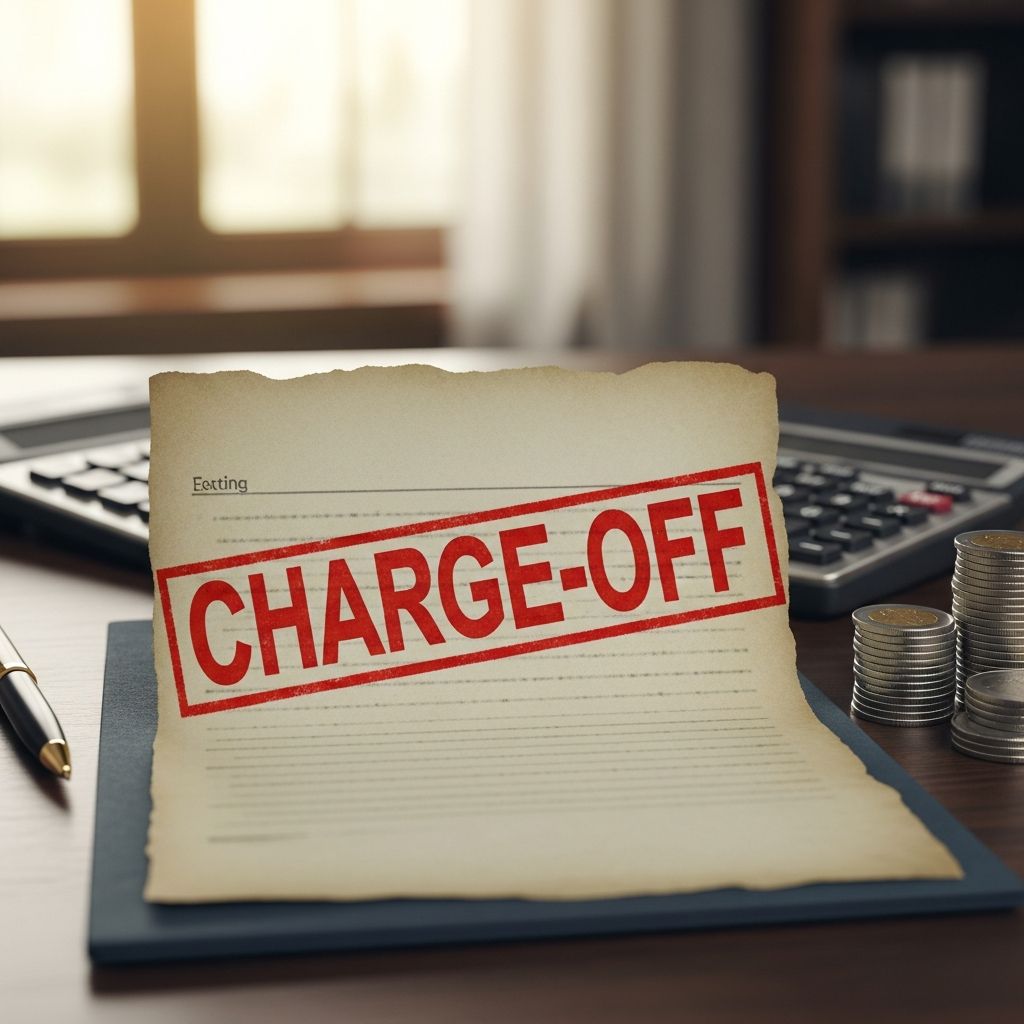
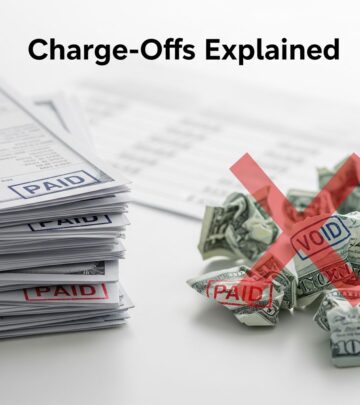
A charge-off represents a critical juncture in debt management where a lender deems an account uncollectible after prolonged delinquency, typically 120 to 180 days of missed payments. This accounting move writes the debt as a loss for the creditor, yet it does not absolve the borrower of responsibility—the obligation persists, often leading to intensified collection activities.
The Fundamentals of a Charge-Off Declaration
Creditors initiate a charge-off to reflect realistic financial positions in their books. For instance, credit card issuers or banks monitor accounts closely; once payments lapse for about six months, they reclassify the balance. This process involves updating internal ledgers and notifying credit bureaus, resulting in a derogatory mark visible to future lenders.
Key characteristics include:
- Trigger: Usually after 120-180 days of non-payment, though policies vary by lender.
- Account status: Closed to new charges, balance may show as zero if sold to collectors.
- Ongoing liability: Debt remains due, potentially pursued via collections or legal action.
Understanding this distinction prevents common misconceptions, such as assuming a charge-off equates to debt forgiveness. In reality, it amplifies scrutiny from financial institutions evaluating your reliability.
How Charge-Offs Disrupt Your Credit Profile
The arrival of a charge-off on your credit report introduces a severe negative item, dramatically lowering scores calculated by models like FICO or VantageScore. Payment history, comprising 35% of FICO scores, bears the brunt, with initial delinquencies already eroding points before the charge-off formalizes.
| Timeline | Credit Impact | Example Score Drop |
|---|---|---|
| 30 days late | Moderate damage | 60-110 points |
| 90+ days / Pre-charge-off | Significant | 100-150+ points |
| Charge-off reported | Severe | 150-250+ points (varies by profile) |
Data drawn from credit bureau analyses show charge-offs as top derogatory factors, outranking even bankruptcies in some scoring algorithms due to recency and severity. Limited credit history exacerbates drops, as the mark dominates the file.
Duration and Visibility on Credit Reports
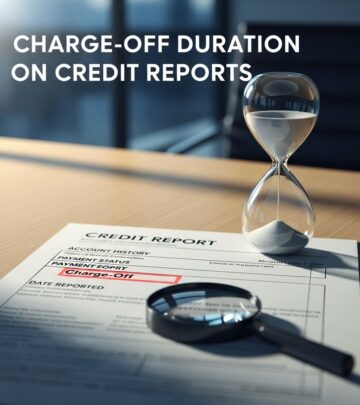
Under the Fair Credit Reporting Act (FCRA), charge-offs linger for seven years from the first delinquency date, not the charge-off itself. This timeline applies across Equifax, Experian, and TransUnion, though not all creditors report to every bureau.
- Unpaid: Remains fully negative.
- Paid/settled: Noted as such, potentially softening impact in newer scoring models.
- Collections: Separate entry may appear if debt sold, doubling derogatory items.
Over time, aging dilutes influence as positive behaviors accumulate, but early years pose the greatest hurdles for approvals.
Immediate Repercussions Beyond Credit Scores
Charge-offs ripple through daily life:
- Lending barriers: Higher rates, denials for loans, cards, or mortgages; subprime offers prevail.
- Housing/employment: Landlords and employers check reports, rejecting applicants.
- Insurance/utilities: Premium hikes or deposits required.
- Legal risks: Collectors may sue, leading to judgments, wage garnishment, or liens—valid until statute of limitations (3-10 years by state).
Proactive engagement mitigates escalation; ignoring notices invites court summons.
Strategies to Address and Negotiate Charge-Offs
Post-charge-off, options center on resolution:
- Contact the creditor/collector: Request payoff quotes; negotiate settlements for 30-50% less if hardship proven.
- Payment plans: Structured agreements prevent lawsuits while marking account positively.
- Debt validation: Demand proof within 30 days of collection notice under FDCPA.
Document all interactions. Settlements often yield “paid for less than full balance” notations, preferable to unpaid status.
Disputing Inaccurate Charge-Off Entries
FCRA empowers free disputes if errors exist—wrong amounts, dates, or unauthorized reporting. Submit online/via mail to bureaus with evidence (statements, payment proofs). Investigations conclude in 30-45 days; unverifiable items delete.
Success rates climb with specifics; persistent inaccuracies warrant CFPB complaints.
Rebuilding Credit After a Charge-Off
Recovery demands discipline:
- Secure starter credit: Secured cards or credit-builder loans report positively.
- Utilization control: Stay under 30%, ideally 10%.
- On-time payments: Automate to rebuild history.
- Goodwill requests: Rare removals via polite letters post-payment.
- Monitor reports: Weekly free views via AnnualCreditReport.com.
Expect 1-2 years for substantial gains; seven-year drop-off accelerates full rebound.
Preventing Charge-Offs: Proactive Financial Habits
Avoidance trumps recovery:
- Budget rigorously, prioritizing debts.
- Alert lenders early for hardship programs.
- Consolidate via personal loans if rates qualify.
- Build emergency funds covering 3-6 months expenses.
Tools like apps track spending; autopay safeguards payments.
Frequently Asked Questions (FAQs)
What triggers a charge-off on my account?
Typically 120-180 days of delinquency, when lenders write off as uncollectible.
Does paying a charge-off erase it from my report?
No, it marks as paid but stays seven years; impact lessens over time.
Can charge-offs lead to lawsuits?
Yes, collectors may sue; respond promptly to avoid default judgments.
How do I remove a wrongful charge-off?
Dispute with bureaus under FCRA; provide evidence for investigation.
What’s worse: charge-off or collection?
Both harm, but charge-off often precedes collection; multiple entries compound damage.
Long-Term Financial Resilience Post-Charge-Off
View charge-offs as setbacks, not defeats. Consistent habits transform profiles: from scores below 500 to 700+ within years. Diversify income, upskill for stability, consult NFCC-certified counselors for tailored plans. Persistence yields access to prime credit, lower costs, and opportunities.
Empower yourself with knowledge—regular checks, informed negotiations, and disciplined rebuilding chart recovery paths.
References
- What Is a Charge-Off? — PNC Insights. 2024. https://www.pnc.com/insights/personal-finance/borrow/what-is-a-charge-off.html
- What Is a Charge-Off? — Experian. 2024-05-29. https://www.experian.com/blogs/ask-experian/what-is-a-charge-off/
- What Does a Charge-Off on My Credit Report Mean? — National Debt Relief. 2024. https://www.nationaldebtrelief.com/es/blog/financial-wellness/credit-score/what-does-a-charge-off-on-my-credit-report-mean/
- What is a Charge-Off? — Equifax. 2024. https://www.equifax.com/personal/education/credit/report/articles/-/learn/charge-offs-faq/
- A Guide to Charge-Offs — SoFi. 2024. https://www.sofi.com/learn/content/credit-card-charge-off/
- Charged-Off Debt: What It Really Means — AF Morgan Law. 2024. https://afmorganlaw.com/charged-off-debt/
Similar Articles








Read full bio of Sneha Tete