Charge-Off Duration on Credit Reports
Discover how long charge-offs linger on your credit history and proven strategies to lessen their lasting damage to your financial future.
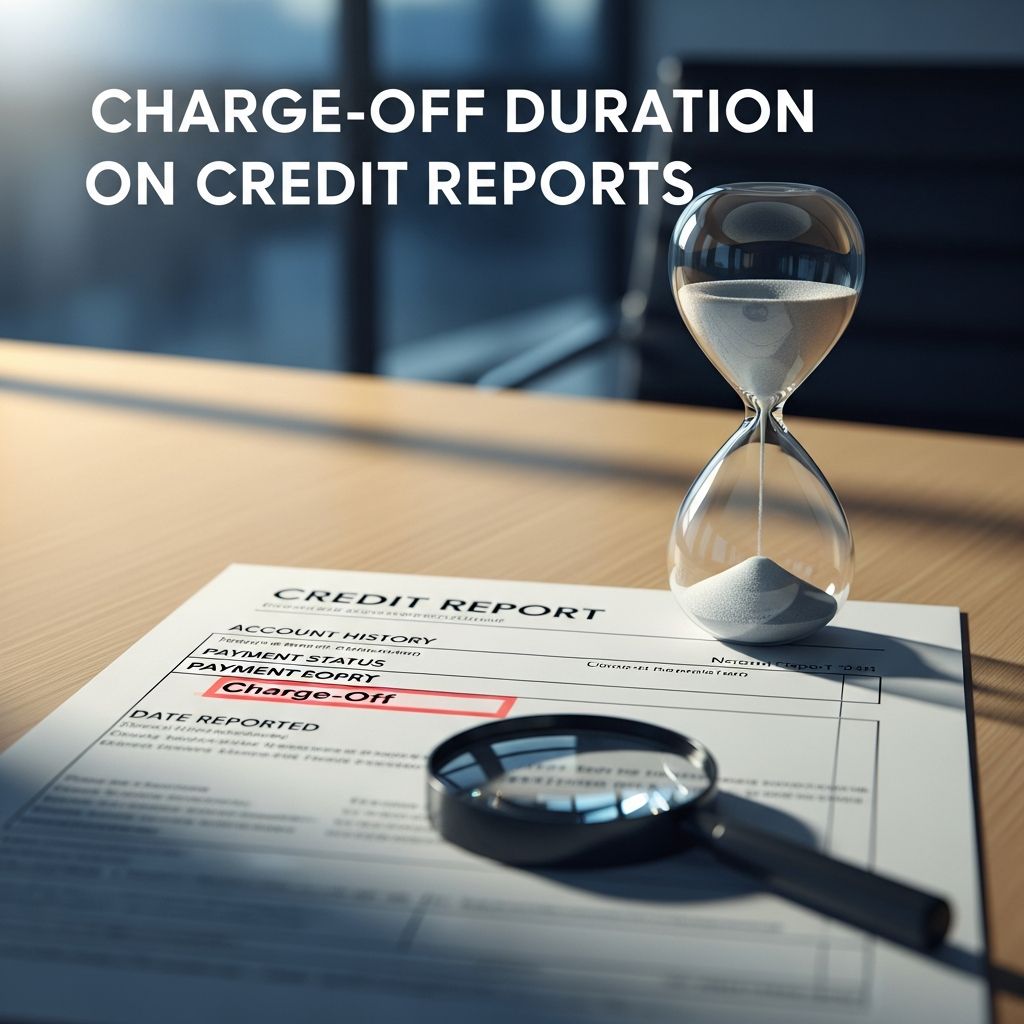
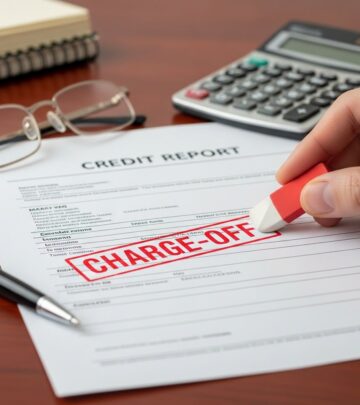
Charge-offs represent a serious setback in personal credit history, remaining visible on credit reports for up to seven years from the date of the first missed payment. This timeline, governed by the Fair Credit Reporting Act (FCRA), applies across major credit bureaus like Experian, Equifax, and TransUnion, creating long-term challenges for borrowers seeking new credit or favorable terms.
Defining a Charge-Off in Modern Lending
A charge-off occurs when a lender deems a debt uncollectible after prolonged delinquency, usually 120 to 180 days of missed payments. This accounting adjustment allows creditors to record the unpaid balance as a loss for tax and financial reporting purposes, but it does not erase the borrower’s obligation to repay.
Unlike forgiveness, the debt persists and may transfer to internal collections or third-party agencies. Creditors report this status to credit bureaus, marking the account as “charged off,” which appears as a derogatory item. The original account balance often resets to zero on the lender’s books, potentially spawning a separate collection entry if sold.
Timeline Leading to a Charge-Off Designation
Delinquency escalates gradually: payments 30, 60, 90 days late build negative history before charge-off at 120-180 days. Credit card issuers commonly act after six missed months, though variations exist by lender policy and debt type.
- 30-90 Days Late: Late fees accrue; negative marks begin affecting scores.
- 120+ Days: Internal collections intensify; charge-off preparation starts.
- 180 Days: Formal charge-off reported, account closed to new charges.
This progression underscores the importance of early intervention to avert charge-off status.
Immediate Consequences for Credit Profiles
Upon reporting, a charge-off delivers one of the most damaging blows to credit scores, often dropping them by 100+ points depending on prior history. It signals high risk to future lenders, insurers, and landlords, complicating approvals for loans, apartments, or even jobs.
| Factor | Impact Level | Duration |
|---|---|---|
| Score Drop | Severe (100-150+ points) | Up to 7 years |
| New Credit Access | Restricted | While active |
| Interest Rates | Higher | Post-recovery |
| Collection Accounts | Additional marks | 7 years from original delinquency |
Multiple charge-offs compound damage, with limited credit history amplifying the effect.
Precise Duration Rules Under FCRA
The FCRA mandates charge-offs remain for seven years from the first delinquency date predating the charge-off, not the charge-off date itself. For instance, a charge-off in month 6 of delinquency starts the clock from month 1’s miss.
Paid charge-offs update to “paid” or “settled” status but retain the derogatory notation until expiration. Collections from the same debt follow the original timeline, avoiding duplicate extensions.
Distinguishing Charge-Offs from Collections
Charge-offs mark the original creditor’s write-off, while collections arise if the debt sells to an agency, potentially creating dual entries. Both hurt scores, but the charge-off often carries heavier weight as the root delinquency indicator.
- Charge-Off: Lender’s internal action; closes account.
- Collection: Third-party pursuit; separate reportable item.
- Overlap: Both may appear, each with 7-year lifespan from first miss.
Options for Addressing Active Charge-Offs
Payment does not erase the mark but mitigates impact: scores may rebound partially as “paid charge-off” appears less risky. Negotiation yields settlements for 40-60% of balance, noted as “settled.” Lump-sum offers succeed more often.
Debt validation requests under the Fair Debt Collection Practices Act (FDCPA) challenge legitimacy, potentially halting collections if unproven. Goodwill letters to original creditors occasionally prompt removals, though rare.
Disputing Inaccurate Charge-Off Entries
Borrowers can dispute errors via bureau websites, mail, or phone—free and investigated within 30 days. Proof like payment records or identity theft reports supports claims; verified inaccuracies lead to deletions.
- Gather documentation (statements, correspondence).
- Submit online disputes to Equifax, Experian, TransUnion.
- Monitor updates; escalate to CFPB if unresolved.
Success rates rise with solid evidence, restoring profiles faster.
Rebuilding Credit After a Charge-Off
Recovery demands disciplined habits: secure secured cards, automate payments, keep utilization under 30%. Scores improve within months via positive accounts aging alongside the charge-off.
- Secured Credit Cards: Build history with low-risk borrowing.
- Credit Builder Loans: Report positive payments.
- Experian Boost: Add utility/telecom on-time payments.
Time erodes impact: after 2-3 years, fresh history dilutes the charge-off’s dominance.
Preventing Charge-Offs Through Proactive Finance
Budgets, emergency funds (3-6 months expenses), and debt management plans avert escalation. Nonprofit counseling assesses options before delinquency spirals.
Monitor reports weekly via AnnualCreditReport.com; alerts flag issues early.
Long-Term Ramifications Beyond Scores
Charge-offs elevate costs: higher auto/home insurance premiums, utility deposits, rental denials. Employment background checks increasingly review credit, affecting opportunities.
Tax implications arise if forgiven debt exceeds $600 (Form 1099-C), countable as income.
FAQs on Charge-Off Lifespan and Recovery
Does paying a charge-off remove it from my report?
No, it updates to paid status but stays until the 7-year mark from first delinquency.
Can multiple charge-offs from one debt extend the timeline?
No, all tie to the original miss date.
How soon after charge-off can I get new credit?
Possible with secured options, though terms worsen; full recovery takes 1-2 years of positives.
Are charge-offs public record?
No, confined to credit reports accessed by authorized parties.
Does bankruptcy erase charge-offs?
No, it adds its own 7-10 year mark; consult professionals.
Strategic Outlook for Financial Resilience
Charge-offs test resilience but do not define futures. Consistent positive behaviors outpace time-bound negatives, restoring access to prime rates and opportunities. Professional advice tailors paths, emphasizing prevention and swift response.
References
- What Is a Charge-Off? — PNC Insights. 2023-05-15. https://www.pnc.com/insights/personal-finance/borrow/what-is-a-charge-off.html
- What Is a Charge-Off? — Experian. 2024-02-10. https://www.experian.com/blogs/ask-experian/what-is-a-charge-off/
- What is a Charge-Off? | Equifax® — Equifax. 2024-01-22. https://www.equifax.com/personal/education/credit/report/articles/-/learn/charge-offs-faq/
- Charge-Off | Achieve — Achieve. 2023-11-08. https://www.achieve.com/glossary/c/charge-off
- What is a Charge-Off? – Cambridge Credit Counseling — Cambridge Credit Counseling. 2023-07-19. https://www.cambridge-credit.org/what-is-a-charge-off.html
- Understanding charge-offs and how to manage them efficiently — LoanPro. 2024-03-05. https://loanpro.io/glossary/charge-offs
- What Does Charged-Off Mean With Regard to Debt? – CESI — CESI Solutions. 2023-09-12. https://www.cesisolutions.org/what-does-it-mean-to-have-charged-off-debt
Similar Articles








Read full bio of medha deb