Charge-Off: Definition, Impact, and Credit Implications
Understanding charge-offs: How debt write-offs affect your credit score and financial future.
What Is a Charge-Off?
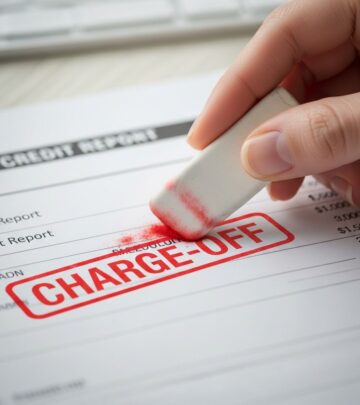
A charge-off is a significant financial event that occurs when a lender or creditor determines that an outstanding debt is unlikely to be collected and writes off the account as a loss. When an account is charged off, it means the creditor has essentially given up on collecting the debt through normal collection efforts and has closed the account to future charges. This action signals to credit bureaus and other creditors that you have failed to meet your financial obligations. Understanding what a charge-off means and how it affects your financial life is crucial for anyone facing delinquent accounts or credit challenges.
The process of charging off an account is an accounting procedure that creditors use to remove bad debt from their balance sheets. However, it is important to recognize that a charge-off does not eliminate your legal obligation to pay the debt. Instead, it represents a shift in how the debt is managed and reported, potentially transferring it to collection agencies or debt buyers who may pursue payment through more aggressive means.
Understanding the Charge-Off Process
The journey toward a charge-off typically begins when you miss payments on a credit account. Most creditors follow a structured process before officially charging off an account, which generally involves multiple attempts to contact you and collect the debt.
Timeline to Charge-Off
The timeline for a charge-off varies depending on the type of credit account and the creditor’s policies, but generally occurs between 120 and 180 days after you become delinquent on your payments. Before reaching this point, creditors typically send multiple reminder letters and make phone calls to notify you of past-due amounts and encourage payment. During this period, you may also see increasing late fees and penalty interest rates applied to your account.
Pre-Charge-Off Collection Efforts
Creditors are required to make reasonable attempts to collect delinquent debt before writing off an account. These efforts may include:
- Written notices of past-due amounts
- Telephone collection calls
- In-person collection visits in some cases
- Offers to negotiate payment arrangements or settlement terms
- Notification of potential legal consequences
After the Charge-Off: What Happens Next
Once an account has been charged off, the creditor may choose to handle the debt in several ways. Understanding these options is essential for knowing what to expect and how to respond to future collection attempts.
Debt Transfer or Sale
After charging off an account, lenders typically either sell the debt to a third-party debt buyer or transfer it to a collection agency. Debt buyers are companies that purchase charged-off debts from creditors, often at a fraction of the original debt amount. Collection agencies, on the other hand, typically work on commission, collecting a percentage of any payments they recover. In either case, you may now be contacted by these third parties rather than the original lender, and you may be required to make payments directly to them rather than to the original creditor.
Multiple Reporting on Credit Reports
A significant concern when a debt is charged off and sold or transferred is that it may appear twice on your credit reports—once from the original creditor showing the charge-off status and again from the collection agency or debt buyer reporting the same debt. This duplication can create confusion and potentially amplify the negative impact on your credit score, which is why monitoring your credit reports carefully after a charge-off is essential.
Impact on Your Credit Report and Score
A charge-off has severe consequences for your creditworthiness and financial reputation. Understanding the extent of this impact can help motivate you to address delinquent accounts before they reach charge-off status.
Credit Report Visibility
If the original lender and any collection agency or debt buyer report to the three major credit bureaus—Equifax, Experian, and TransUnion—the charge-off status will be updated on your credit reports. The charge-off will appear alongside records of the late or missed payments that led to the charge-off. It is worth noting that some creditors may only report to one or two of the credit bureaus, or potentially none at all, though major financial institutions typically report to all three.
Credit Score Impact
Because charge-offs indicate that you have failed to meet a significant financial obligation, they substantially damage your credit scores. Credit scoring models, such as FICO and VantageScore, weigh payment history as one of the most important factors in calculating your score. A charge-off signals serious delinquency and significantly increases perceived credit risk. The exact impact on your credit score depends on your overall credit profile, your score before the charge-off, and the specific credit scoring model being used.
Duration on Credit Reports
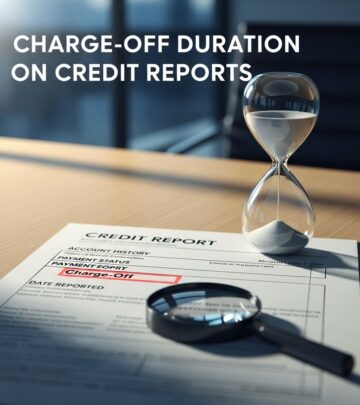
A charged-off account will remain visible on your credit reports for up to seven years from the date of the first missed or late payment that led to the charge-off. This seven-year period is consistent with how credit bureaus report other negative information, such as late payments, collections, and charge-offs. After seven years, the charge-off should automatically fall off your credit reports, provided the debt is not sold again or updated with a new reporting date.
Scenarios Where Accounts Get Charged Off
While charge-offs typically result from missed payments, there are several situations in which an account may be charged off even if you believed you were in good standing.
Insufficient Minimum Payments
An account may be charged off if your payments have not met the monthly minimum requirement, causing the account to become delinquent. Even if you are making regular payments, they must meet the creditor’s minimum payment threshold, or the account can still be classified as delinquent and eventually charged off.
Bankruptcy Filing
If you file for bankruptcy, your accounts may be charged off even if you have been making payments. Bankruptcy triggers specific legal and creditor reporting requirements, and accounts included in bankruptcy proceedings are often charged off as part of that process. However, the treatment depends on the type of bankruptcy filed and the terms of any payment plan established through the bankruptcy process.
Extended Inactivity
Some accounts may be charged off if there has been no activity or payment for an extended period, even if you were current on payments previously. This situation is less common with active accounts but can occur with dormant or inactive credit lines.
Paying a Charged-Off Debt: What You Need to Know
One of the most confusing aspects of charge-offs is understanding what happens if you decide to pay the debt after it has been charged off. The payment status does not erase the charge-off from your credit history, but it does change how it is reported.
Paid Charge-Off Status
If you pay a charged-off debt before the seven-year reporting period expires, the charge-off will remain on your credit reports but will be updated to show as a paid charge-off or paid collection account. This distinction is important because a paid charge-off typically has less negative impact on your credit score than an unpaid charge-off, though the improvement in your score depends on the specific credit scoring model used and other factors in your credit profile.
Negotiation Opportunities
When facing a charged-off account, you may have opportunities to negotiate with the original lender, collection agency, or debt buyer. These negotiations might result in:
- A reduced settlement amount less than the full debt
- A structured payment plan spread over months or years
- A pay-for-delete agreement (though these are not always honored or legal in all jurisdictions)
- Removal of duplicate reporting if the debt appears on your reports multiple times
Any settlement or payment plan may also have an impact on your credit scores, though the effect is typically less severe than an unpaid charge-off, depending on the credit scoring model.
Prevention and Early Action
The best approach to charge-offs is to prevent them from occurring in the first place. If you are struggling with payments, taking early action can help you avoid the serious consequences of a charge-off.
Communication with Creditors
If you anticipate difficulty making payments, contact your creditor immediately. Many lenders are willing to work with borrowers facing temporary financial hardship by offering:
- Temporary payment deferrals or reductions
- Forbearance periods
- Modified repayment terms
- Hardship programs designed for specific circumstances
Credit Counseling
Non-profit credit counseling agencies can provide guidance on budgeting, debt management, and negotiation strategies. These services are often free or low-cost and can help you develop a plan to address delinquent accounts before they are charged off.
Frequently Asked Questions
Q: Does a charge-off mean I no longer owe the debt?
A: No. A charge-off is an accounting action by the creditor, not a forgiveness of the debt. You remain legally obligated to pay the charged-off debt, and creditors or collection agencies can still pursue collection efforts.
Q: How long does a charge-off stay on my credit report?
A: A charge-off remains on your credit reports for up to seven years from the date of the first missed or late payment. After this period, it should automatically be removed.
Q: Can I improve my credit score after a charge-off?
A: Yes. Paying the charged-off debt, establishing positive payment history with other accounts, and allowing time to pass all contribute to credit score recovery. Paying the debt shows it as a paid charge-off rather than unpaid, which has less negative impact.
Q: What is the difference between a charge-off and a collection account?
A: A charge-off is the creditor’s decision to write off the debt as a loss. A collection account is a debt that has been transferred to or purchased by a collection agency. They are related but distinct events in the debt collection process.
Q: Will paying off a charge-off remove it from my credit report?
A: No. The charge-off will remain on your credit report for seven years, but it will be marked as paid. A paid charge-off has less negative impact than an unpaid charge-off.
Key Takeaways
A charge-off is a serious credit event that signals failure to meet a significant financial obligation. Understanding the mechanics of charge-offs, their impact on your credit, and your options for addressing them is essential for protecting your financial health. While a charge-off can severely damage your credit score and remain visible for seven years, taking proactive steps—such as communicating with creditors, seeking credit counseling, and negotiating settlements—can help minimize the damage and set the foundation for credit recovery. If you are facing a charge-off or delinquent account, addressing it promptly is always preferable to allowing it to persist.
References
- What is a Charge-Off? — Equifax. 2025. https://www.equifax.com/personal/education/credit/report/articles/-/learn/charge-offs-faq/
Similar Articles








Read full bio of Sneha Tete