Charge-Off Car Loans: How To Settle And Rebuild Credit
Discover what a charge-off means for your auto loan, its credit impact, and proven strategies to resolve it effectively.
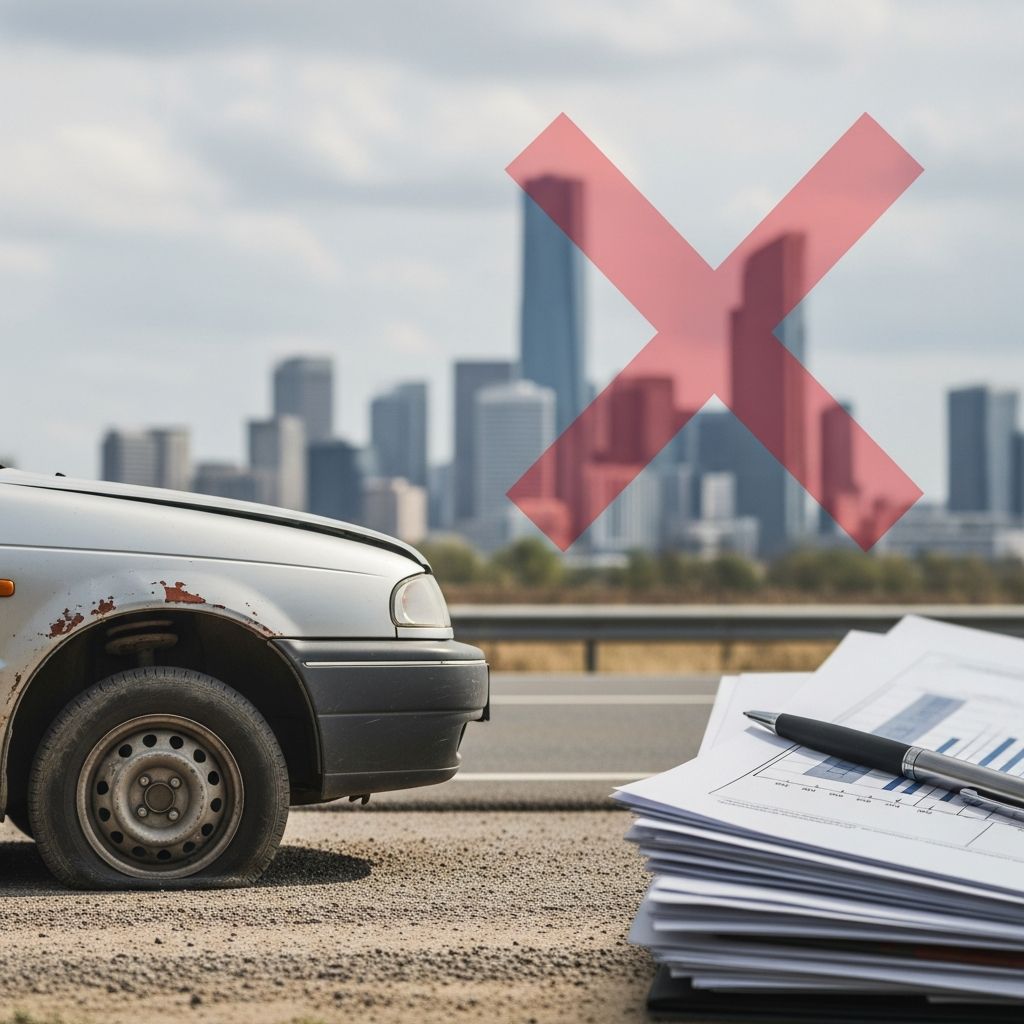
Auto loans can turn problematic when payments lapse for extended periods, leading lenders to declare the debt a charge-off. This accounting move signals the lender views the loan as uncollectible, yet borrowers remain obligated to repay the full amount plus any accrued fees. Understanding this process is crucial for anyone facing delinquency on vehicle financing.
Defining a Charge-Off in Auto Financing
A charge-off represents a lender’s decision to reclassify an auto loan from an active asset to a financial loss on their books. This typically follows prolonged non-payment, often after 120 to 180 days of delinquency. Federal guidelines prompt lenders to act within this timeframe to reflect accurate financial health, though some may initiate sooner if recovery seems unlikely.
Importantly, this status change does not erase the borrower’s responsibility. The outstanding principal, interest, and penalties persist, and the lender may pursue collection through internal efforts, third-party agencies, or legal channels. For secured auto loans, the vehicle itself serves as collateral, heightening risks of repossession alongside the charge-off designation.
The Step-by-Step Charge-Off Process
The journey to a charge-off unfolds predictably, allowing borrowers time to intervene. Here’s how it typically progresses:
- Initial Delinquency Reporting: After 30 days without payment, the account is marked late, triggering reports to Equifax, Experian, and TransUnion. Credit scores begin declining immediately.
- Extended Non-Payment: By 90-120 days, lenders ramp up collection calls, letters, and possible payment plans. Failure here leads to charge-off consideration.
- Accounting Adjustment: The lender internally shifts the loan to a liability, writing off the estimated loss for tax benefits. This does not forgive the debt.
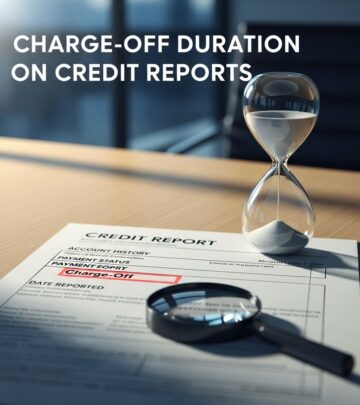
- Credit Bureau Notification: All major bureaus receive the charge-off update, cementing a severe negative mark visible for up to seven years.
- Post-Charge-Off Actions: Debt may transfer to collections, prompting aggressive recovery tactics, including lawsuits or wage garnishment if judgments are obtained.
This sequence underscores the urgency of addressing delinquencies early to avert escalation.
Credit Score Devastation from Charge-Offs
A charge-off inflicts profound damage on credit profiles. It signals extreme risk to future lenders, often slashing FICO scores by 100-150 points or more, depending on prior credit health. The notation overshadows other positive factors, complicating approvals for new credit, mortgages, or rentals.
| Time Past Due | Credit Impact | Typical Score Drop |
|---|---|---|
| 30-90 Days (Delinquent) | Moderate Negative Mark | 50-100 Points |
| 120+ Days (Charge-Off) | Severe Derogatory Item | 100-150+ Points |
| Post-Repossession | Compounded Damage | 150-250 Points |
Data from credit bureaus confirms charge-offs linger for seven years from the original delinquency date, though their scoring weight diminishes over time with responsible behavior.
Repossession Risks Tied to Charge-Offs
Unlike unsecured debts, auto loans are collateralized by the vehicle. A charge-off often precedes or coincides with repossession, where the lender seizes the car to recoup losses. Post-repossession, any deficiency balance—the gap between sale proceeds and owed amount—may be charged off anew or pursued via collections.
Borrowers facing this should note state-specific “right to cure” periods, allowing payment to reclaim the vehicle pre-sale. Auction values frequently fall short of loan balances, amplifying remaining debt.
Settlement Tactics for Charged-Off Auto Debt
Resolution remains viable even after charge-off. Lenders or collectors often accept settlements for 40-60% of the balance to close accounts swiftly. Key strategies include:
- Direct Negotiation: Contact the original lender pre-collections for hardship plans, reduced rates, or lump-sum discounts.
- Collections Engagement: Offer a settlement figure backed by proof of limited funds; secure written agreements detailing terms.
- Pay-for-Delete Requests: Propose full or partial payment in exchange for credit report removal—success varies but is worth pursuing.
Always document offers in writing, specifying final payment amounts, timelines, and any credit reporting updates. Lump-sum payments yield better deals than installments.
Tax Ramifications of Settlements
Settling for less than owed triggers IRS scrutiny. The forgiven portion counts as taxable income via Form 1099-C, potentially adding hundreds to thousands in federal taxes. Full repayment avoids this; partial settlements require setting aside funds for tax season.
Consult a tax professional, as exceptions exist for insolvency or bankruptcy scenarios.
Legal and Collection Pressures Post-Charge-Off
Expect persistent contact from collectors using calls, letters, and automation. While charge-offs endure seven years on reports, statutes of limitations on lawsuits vary by state (3-10 years). Beyond this, debts become time-barred, though collectors may still solicit voluntary payments.
Federal Fair Debt Collection Practices Act protects against harassment; know your rights to cease communication or validate debts.
Rebuilding Credit After a Charge-Off
Recovery demands discipline:
- Secure the Account: Settle or reaffirm the debt promptly.
- Build Positive History: Use secured cards, on-time utility payments, and credit-builder loans.
- Monitor Reports: Dispute inaccuracies via AnnualCreditReport.com and bureau portals.
- Time’s Role: Aged delinquencies lose influence; aim for 12-24 months of flawless payments.
Credit scores can rebound significantly within 1-2 years with sustained effort.
Preventing Charge-Offs on Future Loans
Proactive measures safeguard against repeats:
- Budget rigorously, allocating 10-15% of income to transport costs.
- Refinance high-rate loans during good standing.
- Explore gap insurance or warranties to buffer unexpected expenses.
- Communicate early with lenders on hardships for modified terms.
Frequently Asked Questions
Does a charge-off cancel my auto loan debt?
No, it merely adjusts the lender’s books; you owe the full balance.
How long does a car loan charge-off stay on my credit?
Up to seven years from the first delinquency.
Can I settle a charged-off auto loan?
Yes, negotiate with lenders or agencies for reduced payoffs.
Will settling a charge-off boost my credit score immediately?
It stops further damage but won’t erase the history; positive actions follow.
What if my car is repossessed after charge-off?
You may still owe the deficiency; pursue settlements aggressively.
Key Takeaways for Borrowers
Charge-offs mar credit but aren’t insurmountable. Swift action—through negotiation, settlement, and rebuilding—mitigates long-term harm. Prioritize communication and documentation to navigate this challenging terrain successfully.
References
- Can You Settle a Charge-off for an Auto Loan? — SoFi. 2024. https://www.sofi.com/learn/content/how-to-settle-a-charge-off-auto-loan/
- How Car Loan Charge-Offs Work & Avoiding Auto Repossession — Car and Driver. 2023. https://www.caranddriver.com/auto-loans/a41868581/car-loan-charge-off/
- What Does a Car Loan Charge-Off Do to Your Credit Score in 2026? — First Credit Online. 2026. https://www.firstcreditonline.com/blog/what-does-a-car-loan-charge-off-do-to-your-credit-score/
- What Is a Charge-Off on a Car Loan? — Experian. 2025. https://www.experian.com/blogs/ask-experian/what-is-charge-off-car-loan/
- What is a Charge-Off? — Equifax. 2024. https://www.equifax.com/personal/education/credit/report/articles/-/learn/charge-offs-faq/
Similar Articles








Read full bio of medha deb