Champagne Lifestyle On A Lemonade Budget
Discover how to enjoy luxury, feel abundant, and still hit your biggest money goals by mastering a champagne lifestyle on a lemonade budget.
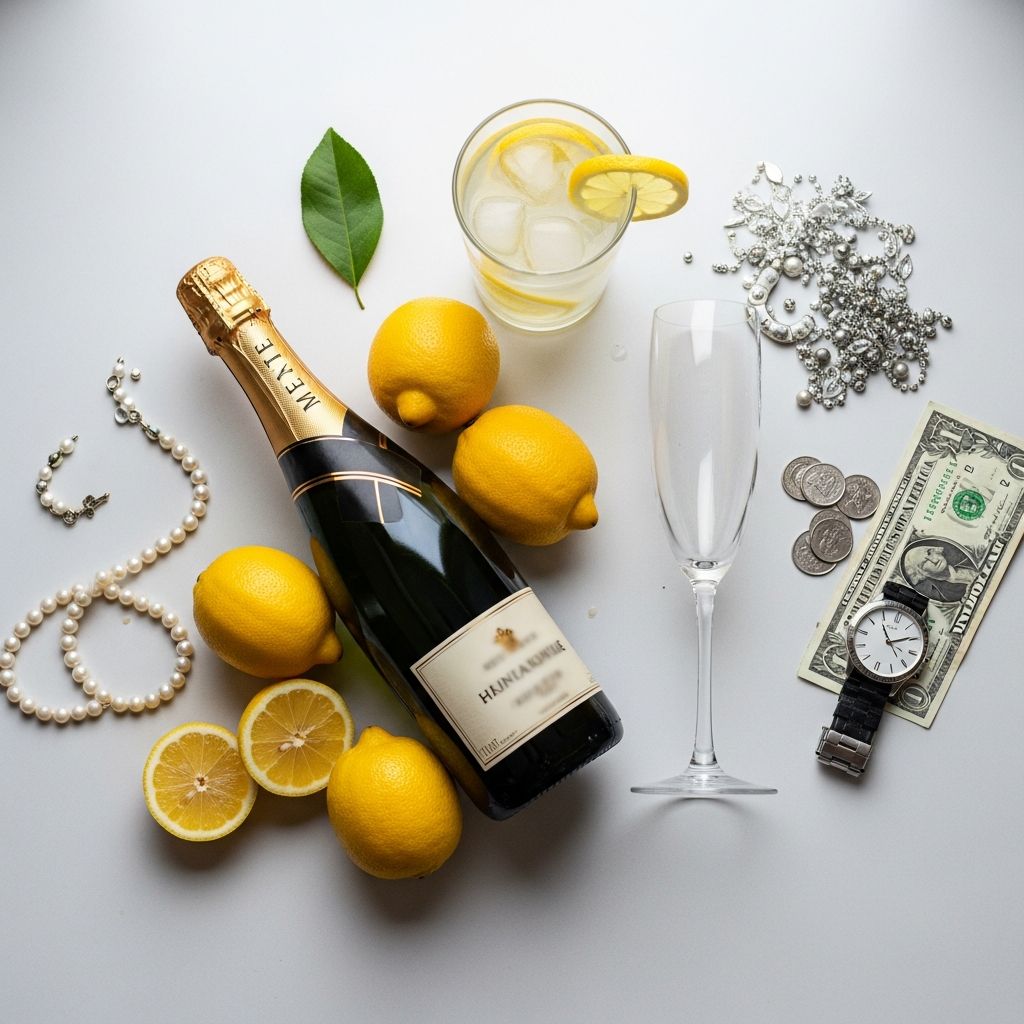
Want the feel of a champagne lifestyle without draining your bank account? You can absolutely enjoy beautiful things, memorable experiences, and daily luxuries while still saving, investing, and paying off debt. The key is learning how to match your taste for luxury with a truly lemonade budget.
This guide explains what a champagne lifestyle really means, the financial downsides of chasing it the wrong way, and practical strategies to enjoy it without sabotaging your money goals.
What Is A Champagne Lifestyle?
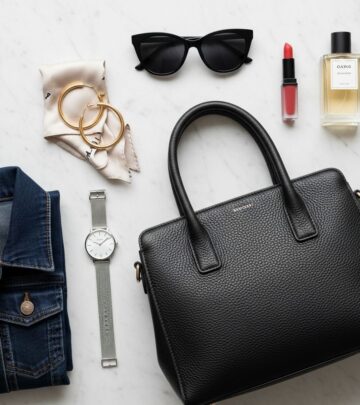
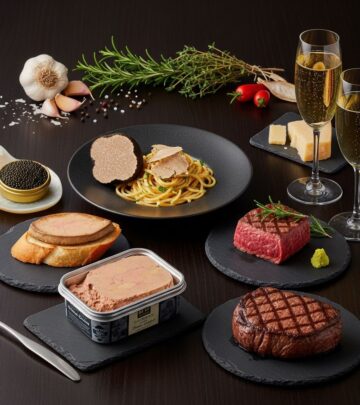
A champagne lifestyle describes a way of living that prioritizes luxury, status, and high-end consumption: think designer clothes, top-tier travel, fine dining, and perfectly curated social media moments.
In practice, it often looks like:
- Frequent restaurant meals, cocktails, and brunches at trendy spots
- Designer handbags, shoes, and clothing purchased at full price
- Lavish vacations, luxury hotels, and premium flights
- Regular salon, spa, and beauty appointments
- Always having the newest phone, gadget, or tech upgrade
The challenge is that this lifestyle is frequently funded by income that can’t truly support it, or worse, by credit cards and payment plans. When your taste for luxury grows faster than your income and savings, you end up living above your means, which is the core problem the original article highlights.
The Problem With A Champagne Lifestyle
On the surface, a champagne lifestyle looks glamorous. But when it is not backed by a solid financial foundation, it can create long-term money stress and limit your ability to build wealth. Research shows that many high-income households still live paycheck to paycheck because expenses rise to match income, a pattern often called “lifestyle creep.”
Some key issues include:
- Spending to impress others instead of aligning with your real values
- Using debt to fund wants instead of managing cash flow wisely
- Postponing savings and retirement planning until “later”
- Feeling constant pressure to upgrade: home, car, wardrobe, and more
It Doesn’t Leave Room For Saving
When your income is mostly going to lifestyle, there is little left for saving and investing. According to the U.S. Federal Reserve, many adults would struggle to cover an unexpected expense in cash, illustrating how thin most people’s financial cushion really is. A high lifestyle with low savings leaves you vulnerable to:
- Emergency costs (car repairs, medical bills, job loss)
- Missing opportunities (starting a business, investing, changing careers)
- Stress about future goals like homeownership and retirement
The original article emphasizes that a champagne lifestyle often means sacrificing long-term priorities for short-term gratification, which makes building wealth much harder.
It Encourages Impulse Spending
“Treat yourself” culture can easily turn into a habit of impulse spending. This is especially true in a world of one-click checkout, buy-now-pay-later options, and social media influence. Behavioral research shows that people tend to overspend when paying with cards or digital methods because the “pain of paying” feels less immediate than with cash.
Over time, impulse spending can:
- Turn wants into perceived “needs”
- Normalize constant purchases and frequent upgrades
- Make it harder to switch to a more intentional, goal-focused budget later
The good news: you can still enjoy luxury, but you’ll do it on purpose, not on impulse.
13 Ways To Live A Champagne Lifestyle On A Lemonade Budget
You do not need a huge income to feel comfortable, stylish, and well cared for. By being strategic and intentional, you can build a life that feels luxurious and financially secure. Below are 13 actionable ways to recreate that champagne feeling on a realistic budget, based on the structure and ideas in the original article.
1. Decide What Your Most Worth-It Champagne Lifestyle Expenses Are
You can’t splurge on everything, so you must choose your non-negotiable luxuries. This is about values, not trends.
Ask yourself:
- Which purchases genuinely make my life better (not just my social media feed)?
- What luxuries do I remember and appreciate weeks or months later?
- Where do I feel resentment if I cut back too hard?
Examples:
- Maybe monthly salon visits matter to you, but you don’t care about brand-name clothes.
- Maybe you love travel and experiences, but you’re fine with a modest car.
- Maybe a beautiful home environment matters more than dining out.
Once you’re clear on your top 1–3 splurge categories, you can confidently cut back elsewhere.
2. Put Yourself On A Budget
A budget is not punishment; it’s your champagne-lifestyle roadmap. It tells your money where to go so you can afford both essentials and the luxuries you value most. The Consumer Financial Protection Bureau (CFPB) recommends tracking income and expenses regularly to stay on top of obligations and goals.
To create a budget that supports your version of luxury:
- List your monthly net income.
- Cover essentials first: housing, food, utilities, transportation, minimum debt payments.
- Allocate specific amounts to savings and investing.
- Set a fixed amount for “fun” and luxury-related categories.
- Use an app, spreadsheet, or envelope system to track what you spend.
The key is to treat “lifestyle” as its own category, not a bottomless bucket.
3. Avoid Payment Plans For Lifestyle Purchases
Many retailers promote buy-now-pay-later or monthly payment plans for clothes, electronics, and even vacations. These can make purchases look affordable, but they often encourage you to commit future income to today’s wants. Regulatory agencies like the CFPB have raised concerns about these products contributing to overspending and financial strain when not used carefully.
Guidelines for a lemonade-budget mindset:
- Avoid financing non-essential lifestyle items (fashion, decor, gadgets) whenever possible.
- Save up and pay in full for your champagne-style purchases.
- If you can’t buy it without payments, question whether it truly fits your budget.
4. Look For Discounts, Sales, And Deals
There is nothing glamorous about overpaying. Smart “champagne” living means getting what you want for the lowest reasonable price.
Try this:
- Shop off-season for clothing and travel to capture big markdowns.
- Sign up for price alerts on flights and hotels.
- Use loyalty programs strategically for hotels, airlines, and certain stores.
- Stack store promotions with coupons and cash-back apps when appropriate.
The experience is the same; the money saved can go to savings or your next goal.
5. Buy Pre-Owned, Vintage, Or Secondhand Luxury
Pre-owned doesn’t mean lower status; often it means higher value. Resale platforms, consignment shops, and vintage stores let you access quality pieces at a fraction of the original price.
Good candidates to buy secondhand include:
- Designer handbags and accessories
- Formal wear and special-occasion outfits
- High-quality furniture and decor
- Tech that’s one generation behind the newest model
Focus on materials, craftsmanship, and timeless style, not just the logo.
6. Find The Best Dupes For High-End Items
Sometimes the label matters less than the look, function, or feel. This is where dupes—affordable alternatives that capture the same style or experience—are your best friend.
Examples:
- Drugstore makeup that performs like prestige brands
- Well-made contemporary bags instead of ultra-luxury labels
- High-street fashion inspired by runway trends
Read reviews, compare ingredients or materials, and choose items that deliver quality over hype.
7. Practice Mindful Spending And Delay Purchases
Mindful spending is about intentionally deciding where each dollar goes, instead of reacting to sales or social media. A simple rule is the 24- or 48-hour wait list: if you see something you want, wait a full day or two before buying.
Often you will find that:
- The initial excitement fades.
- You realize you already own something similar.
- You decide to prioritize a different goal instead.
This small delay helps protect your budget and keeps your champagne lifestyle purposeful.
8. Swap Expensive Habits For Cheaper Equivalents
Many luxurious routines have lower-cost versions that feel just as good once you adjust. The idea is to keep the experience but shrink the price tag.
| Champagne Habit | Lemonade Alternative |
|---|---|
| Weekly high-end dinners out | Monthly fine dining plus weekly home-cooked “restaurant-style” meals |
| Salon blowouts several times a month | DIY styling at home with quality tools and occasional salon visits |
| Five-star hotels every trip | Boutique or mid-range hotels with one splurge night |
| Daily coffee shop runs | Barista-level coffee at home using good beans and equipment |
9. Recreate Your Favorite Champagne Experiences At Home
Some of the most luxurious-feeling experiences can be recreated at home with planning and creativity, at a small fraction of the cost. This tip is highlighted in the original article as a powerful way to feel indulgent on a budget.
Ideas:
- Spa day at home: candles, bath salts, face masks, soft towels, relaxing music.
- Fine dining night in: a thoughtfully plated meal, cloth napkins, and a favorite playlist.
- Movie premier night: big-screen setup, popcorn bar, and cozy blankets.
- Brunch vibe at home: fancy coffee, fruit platters, and simple but beautiful dishes.
Once you buy the supplies, you can reuse them to recreate the experience many times.
10. Use Travel Hacks For Luxurious Trips
If travel is your Champagne priority, focus on travel hacking and strategic planning instead of last-minute, full-price trips.
Consider:
- Traveling in shoulder or off-peak seasons to access luxury at lower prices.
- Using miles, points, or credit card rewards responsibly to upgrade flights or hotels.
- Mixing budget stays with one or two luxury nights for the experience.
- Prioritizing destinations where your currency goes further.
The goal: enjoy premium experiences while keeping the total trip cost aligned with your lemonade budget.
11. Negotiate And Ask For Better Deals
Negotiation is an underrated champagne-on-a-budget skill. Many prices—especially for services, subscriptions, and travel—are more flexible than they appear. Consumer guidance frequently notes that calling providers can lead to lower bills or better terms on services like phone, internet, or insurance.
Ways to negotiate:
- Ask hotels about upgrades or discounts, especially during less busy times.
- Call service providers (internet, phone, insurance) to ask about promotions.
- Politely negotiate prices for big-ticket items, especially in person.
- Bundle services where it truly saves money, not just because it’s offered.
12. Build Strong Financial Habits To Support Your Lifestyle
Luxury feels very different when it is backed by healthy money systems. That means:
- Having an emergency fund to cushion unexpected expenses.
- Paying off high-interest debt as a priority, since it can drastically increase the cost of purchases over time.
- Automating transfers to savings and retirement accounts so they happen before lifestyle spending.
- Reviewing your budget monthly and adjusting as your goals change.
These habits turn your champagne moments into rewards you earned, not escapes from financial stress.
13. Increase Your Income
There is a limit to how much you can cut from your budget, but there is no strict ceiling on how much you can earn. The original article points out that if a champagne lifestyle is important to you, raising your income may be one of the most effective ways to fund it responsibly.
Ways to increase income include:
- Career growth: ask for a raise, seek promotions, or move to higher-paying roles or employers.
- Skill-building: invest in education or certifications that increase your earning power over time.
- Side hustles: freelance work, consulting, tutoring, or selling products/services.
- Business ideas: launching a small online or local business that you can grow gradually.
Commit to a rule: as income rises, avoid inflating your lifestyle at the same pace. Channel a portion of every increase into savings, investing, and long-term goals.
You Can Live A Champagne Lifestyle On A Lemonade Budget
Living well is not about maxing out your card or copying someone else’s version of success. A true champagne lifestyle on a lemonade budget is about clarity (knowing what matters most), strategy (using your budget and habits wisely), and creativity (finding smart alternatives and upgrades).
By choosing your worth-it luxuries, sticking to a thoughtful budget, avoiding debt-fueled splurges, and steadily growing your income, you can build a life that feels rich—financially and emotionally—without overspending.
Frequently Asked Questions (FAQs)
Q: Is it wrong to want a champagne lifestyle if I’m on a modest income?
No. Wanting nice experiences and beautiful things is perfectly human. The key is to pursue them intentionally, without going into high-interest debt or neglecting your savings and long-term goals.
Q: How much of my income can I safely spend on “luxury” or fun?
There is no one-size-fits-all number, but many people aim to keep discretionary spending (including entertainment, dining out, and lifestyle upgrades) within a portion of their budget after essentials, savings, and debt payments are covered. Start with a percentage that fits your situation and adjust as you track your spending.
Q: What if my friends’ lifestyles are much more expensive than mine?
It’s common to feel pressure to keep up, especially when you see others traveling or shopping frequently. Focus on your numbers and values. Suggest more affordable ways to spend time together, and remember that financial peace is more valuable than appearances.
Q: How do I know if I’m living above my means?
Warning signs include relying on credit cards for everyday expenses, carrying balances you can’t pay off, skipping savings, or feeling surprised by bills each month. A simple budget and regular expense review can quickly show whether income truly covers your lifestyle.
Q: Should I delay all luxuries until I’m debt-free?
Not necessarily. Many people find it more sustainable to allow small, planned luxuries while aggressively paying down debt, as long as those splurges fit within a realistic budget and don’t slow progress dramatically.
References
- How To Live A Champagne Lifestyle On A Lemonade Budget — Clever Girl Finance. 2023-06-01. https://www.clevergirlfinance.com/live-a-champagne-lifestyle-on-a-lemonade-budget/
- Economic Well-Being of U.S. Households in 2022 — Board of Governors of the Federal Reserve System. 2023-05-22. https://www.federalreserve.gov/publications/2023-economic-well-being-of-us-households-in-2022-executive-summary.htm
- Consumer Credit: Market Structure and Consumer Outcomes — Federal Reserve Bank of St. Louis Review. 2019-01-01. https://research.stlouisfed.org/publications/review/2019/01/14/consumer-credit-market-structure-and-consumer-outcomes
- Start small, save up, and stay on track: A guide to building a basic budget — Consumer Financial Protection Bureau. 2022-09-01. https://www.consumerfinance.gov/consumer-tools/budgeting/
- Buy Now, Pay Later: Market trends and consumer impacts — Consumer Financial Protection Bureau. 2022-09-15. https://www.consumerfinance.gov/data-research/research-reports/buy-now-pay-later-market-trends-and-consumer-impacts/
- Lifelong Learning and Earning — Organisation for Economic Co-operation and Development (OECD). 2021-11-10. https://www.oecd.org/skills/lifelong-learning-and-earning.htm
Similar Articles








Read full bio of Sneha Tete