Certified Pre-Owned Cars Explained
Unlock the advantages of certified pre-owned vehicles: rigorous inspections, warranties, and savings over new cars.

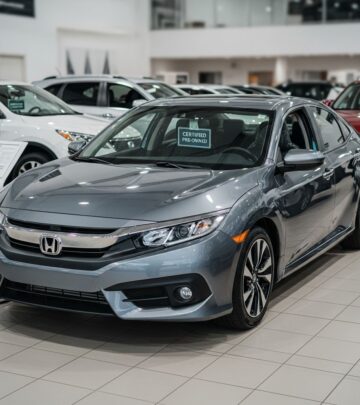
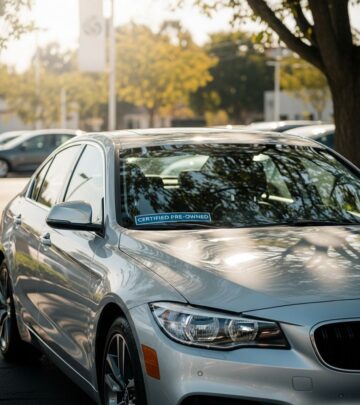
Certified pre-owned (CPO) vehicles represent a premium segment of the used car market, where manufacturers rigorously evaluate and endorse select models to provide buyers with enhanced reliability and protections. These cars undergo extensive checks and come with factory-backed assurances, bridging the gap between new and standard used options.
Defining Certified Pre-Owned Vehicles
A CPO car is a pre-owned automobile that has passed a manufacturer’s stringent certification process, typically involving multi-point inspections, repairs, and eligibility verifications. Unlike ordinary used cars sold ”as-is,” CPO models must meet specific criteria such as limited age, low mileage, clean titles, and resolution of any recalls.
Manufacturers administer these programs directly, ensuring consistency and backing with their reputation. For instance, vehicles often need to be recent models with mileage caps, like under 80,000 miles for many brands, and must have no history of major damage or salvage status. This process includes detailed vehicle history reports via services like CARFAX, revealing past accidents, service records, and ownership details.
How the Certification Process Works
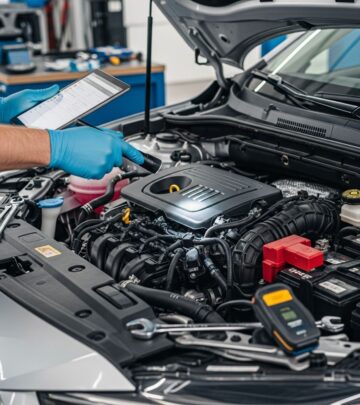
The journey to CPO status begins with dealer submission of eligible trade-ins or inventory. Qualified technicians then perform comprehensive inspections—often 150-180 points—covering engine performance, brakes, suspension, electronics, and cosmetics. Any deficiencies are repaired using genuine parts to meet or exceed factory standards.
- Inspection Depth: Checks include fluid levels, tire wear, exhaust systems, and advanced features like infotainment or driver aids.
- Repairs and Reconditioning: Failing components are fixed, ensuring the car performs like a near-new model.
- Final Approval: Only vehicles passing all criteria earn the CPO badge, with documentation provided to buyers.
This manufacturer oversight distinguishes true CPO from dealer-certified programs, which may offer warranties but lack factory guarantees.
Key Benefits That Set CPO Apart
CPO purchases deliver multiple layers of value, starting with peace of mind from verified quality. Buyers avoid common used-car pitfalls like hidden defects or odometer tampering, as programs exclude salvaged, flood-damaged, or heavily modified vehicles.
| Benefit | Description | Example Perks |
|---|---|---|
| Extended Warranty | Factory-backed coverage beyond standard used sales | Powertrain up to 7 years/100,000 miles; non-powertrain 2-8 years |
| Roadside Assistance | 24/7 support for breakdowns | Towing, flat tire help, fuel delivery |
| Vehicle History | Free detailed report | Accident history, service records, ownership |
| Financing Advantages | Preferential rates | Lower interest, longer terms matching new-car deals |
| Additional Services | Trip interruption, maintenance | Oil changes, tire rotations, exchange periods |
These features create a ”like-new” experience at a fraction of new-car prices, with savings often thousands of dollars due to initial depreciation already absorbed.
CPO vs. Regular Used Cars: A Clear Comparison
Standard used cars offer affordability but come with risks like unknown histories or imminent repairs. CPO mitigates these through standardization, providing warranties that true manufacturer-backed programs honor without frequent denials, unlike third-party service contracts.
- Regular used: No mandatory inspections; sold as-is; higher breakdown risk.
- CPO: 100+ point checks; extended coverage; transparent history.
Price premiums for CPO—typically 10-20% above comparable used—reflect these safeguards, yet remain below new models. For example, a CPO might cost $25,000 versus $35,000 new or $20,000 plain used.
Potential Drawbacks to Consider
While advantageous, CPO isn’t flawless. Higher upfront costs can deter budget shoppers, and not all models qualify—limiting choices to popular brands like Honda, GM, or Toyota. Availability varies by region, and some perks like complimentary maintenance have limits (e.g., 1-2 oil changes).
Buyers should verify program details, as terms differ: HondaTrue Certified offers 182-point checks for 2021+ models under 80,000 miles, while others adjust for EVs or older vehicles. Over-reliance on warranties might overlook personal inspection needs.
Popular Manufacturer CPO Programs
Each automaker tailors its CPO offering. GM Certified emphasizes 172-point inspections and roadside aid. Honda’s HondaTrue tiers include EV-specific coverage up to 8 years for batteries. These programs evolve, often aligning with new-car warranties’ remainders plus extras.
Shoppers benefit from comparing via manufacturer sites, noting mileage caps (e.g., 5-7 years old) and warranty durations.
Steps to Buy a Certified Pre-Owned Vehicle Wisely
Navigate the market effectively with these strategies:
- Research Programs: Visit brand sites for eligibility and perks.
- Check History: Review provided reports; request extras if needed.
- Test Drive Thoroughly: Assess comfort, features, and any noises.
- Negotiate: Leverage market data for fair pricing.
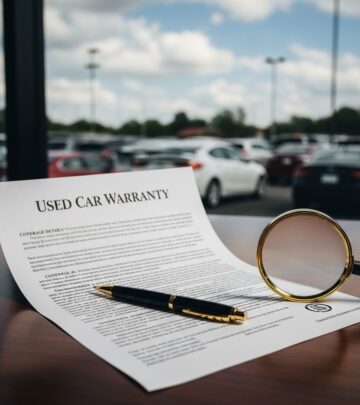
- Review Warranty Fine Print: Confirm coverage exclusions and transferability.
- Independent Inspection: Optional for extra assurance.
Timing purchases end-of-month or quarter-end can yield deals from dealer quotas.
Financial Implications of CPO Ownership
CPO supports smarter budgeting. Lower interest rates—often 1-2% below standard used loans—reduce total costs. Resale values hold stronger due to certification, aiding future trades. Insurance may qualify for preferred rates given verified condition.
Over 5 years, a CPO might save $5,000-$10,000 versus new, factoring depreciation, warranties, and maintenance.
Frequently Asked Questions (FAQs)
What makes a car eligible for CPO status?
Typically, models under 5-7 years old with mileage below 80,000, clean titles, no open recalls, and passing multi-point inspections.
Are CPO warranties transferable?
Yes, most are, enhancing resale value.
Can any dealer sell CPO cars?
Only authorized franchise dealers in manufacturer programs.
Is CPO worth the extra cost?
Often yes, for warranty peace and quality, especially for long-term ownership.
Do CPO programs cover electric vehicles?
Yes, with tailored inspections and battery warranties, like Honda’s 8-year coverage.
Future Trends in CPO Market
As EVs proliferate, CPO programs adapt with specialized checks for batteries and software. Demand rises amid high new-car prices, with programs expanding perks like subscription trials or exchange windows. Economic factors like inflation further boost CPO appeal for value seekers.
References
- Certified Pre-Owned: Definition, Pros and Cons (CPO) — TrueCar. 2023. https://www.truecar.com/blog/new-certified-pre-owned-used/
- What Is a Certified Pre-Owned Car? — Progressive. 2024-01-15. https://www.progressive.com/answers/what-is-certified-pre-owned-car/
- The Benefits of Buying a Certified Pre-Owned Vehicle — Bobby Rahal Honda of State College. 2023-05-10. https://www.bobbyrahalhondaofstatecollege.com/blog/the-benefits-of-buying-a-certified-pre-owned-vehicle-state-college-pa
- Pros and Cons of Buying a Certified Pre-Owned Vehicle — Car and Driver. 2023-11-20. https://www.caranddriver.com/shopping-advice/a28924863/buying-cpo-pros-cons/
- Benefits of Buying Certified Versus Used — GM Certified. 2025. https://www.gmcertified.com/certified-vs-used
- What is Certified Pre-Owned? The Benefits of owning a CPO Honda — Honda Certified. 2025-02-28. https://www.hondacertified.com/certified-preowned-benefits
Similar Articles








Read full bio of medha deb