Central Bank: Definition, Functions, and Role in Economy
Understanding central banks: monetary policy, financial stability, and economic control mechanisms.

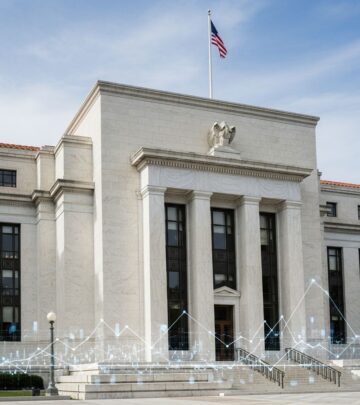
A central bank is a financial institution that manages a nation’s monetary system, serves as the bank for other banks, and implements monetary policy to promote economic stability and growth. Unlike commercial banks that operate to generate profits for shareholders, central banks are typically government-owned or government-controlled institutions designed to serve the broader public interest. The most prominent example is the Federal Reserve System in the United States, which has maintained this role since its establishment in 1913.
Central banks operate as the backbone of a country’s financial infrastructure, wielding significant influence over interest rates, money supply, and overall economic conditions. They act as guardians of financial stability, working to prevent banking crises, control inflation, and support full employment objectives. Understanding central banks is essential for investors, policymakers, and anyone seeking to comprehend how modern economies function.
What Defines a Central Bank?
A central bank is fundamentally defined by its regulatory authority and exclusive powers over monetary policy within a nation or economic bloc. Central banks are unique in that they possess the legal authority to create money, set interest rates, and regulate the banking system. They operate under the framework of national law and international agreements, maintaining independence from day-to-day political pressures while remaining accountable to elected officials.
Central banks typically operate under a mandate to achieve specific economic objectives, commonly referred to as their “dual mandate” or “triple mandate.” In the United States, the Federal Reserve pursues maximum employment and stable prices. The European Central Bank (ECB), which serves the Eurozone, focuses on maintaining price stability. These mandates shape policy decisions and guide how central banks respond to economic challenges.
Primary Functions of Central Banks
Central banks perform multiple critical functions that collectively ensure the smooth operation of financial systems and support broader economic objectives:
Monetary Policy Implementation
The most visible function of any central bank is implementing monetary policy—adjusting the money supply and interest rates to influence economic activity. Central banks use several tools to accomplish this:
- Open Market Operations (OMO): Buying and selling government securities to adjust the amount of money in circulation
- Discount Rate Adjustment: Setting the interest rate at which commercial banks can borrow from the central bank’s discount window
- Reserve Requirements: Determining the percentage of deposits that commercial banks must hold in reserve rather than lend out
- Quantitative Easing (QE): Large-scale purchases of long-term securities when traditional tools prove insufficient
By adjusting these levers, central banks influence borrowing costs, investment decisions, and consumer spending patterns, thereby steering economic growth and inflation rates toward their targets.
Banking System Regulation and Supervision
Central banks serve as the primary regulator and supervisor of commercial banking institutions within their jurisdictions. This responsibility includes:
- Establishing and enforcing prudential standards that ensure banks maintain adequate capital and liquidity
- Conducting stress tests to evaluate how banks would perform under adverse economic conditions
- Examining banks’ compliance with consumer protection laws and anti-money laundering regulations
- Revoking or suspending banking licenses when institutions fail to meet regulatory standards
This regulatory framework aims to prevent excessive risk-taking, protect depositors, and maintain confidence in the banking system. The 2008 financial crisis demonstrated the importance of robust bank supervision when regulatory failures contributed to systemic instability.
Lender of Last Resort Function
During financial crises or when banks face temporary liquidity shortages, central banks provide emergency lending to prevent banking collapses. This “lender of last resort” function prevents panic runs on banks and maintains financial system stability. Central banks typically charge a penalty rate for such loans to discourage excessive reliance on this facility and encourage banks to maintain adequate liquidity buffers.
Payment System Management
Central banks operate the nation’s payment and settlement systems, ensuring that transactions between banks, businesses, and individuals occur smoothly and securely. They maintain accounts for commercial banks and other financial institutions, facilitate check clearing, electronic fund transfers, and other payment mechanisms essential to economic commerce.
Foreign Exchange Management
Central banks manage their nation’s foreign exchange reserves and intervene in currency markets when necessary. By buying or selling foreign currencies, central banks influence exchange rates, which affect trade competitiveness, inflation, and capital flows. This function becomes particularly important during currency crises or when exchange rate volatility threatens economic stability.
Government Banker and Debt Manager
Central banks typically serve as bankers to their national governments, maintaining government accounts and facilitating government payments. They also manage the issuance of government debt, including treasury bonds and bills, and may advise on fiscal policy matters, though they maintain separate responsibility for monetary policy.
How Central Banks Control the Money Supply
Managing the money supply is perhaps the most fundamental function of central banks, as the quantity of money in circulation directly affects inflation, interest rates, and economic activity. Central banks employ several mechanisms to control money supply:
Open Market Operations (OMO)
Central banks buy and sell government securities in the open market to adjust the monetary base. When a central bank purchases securities, it injects money into the economy, increasing money supply. Conversely, selling securities removes money from circulation. These operations directly influence short-term interest rates and broader credit conditions.
Interest Rate Policy
By setting the discount rate—the interest rate charged to banks borrowing from the central bank—policymakers influence borrowing costs throughout the economy. Lower discount rates encourage borrowing and spending, stimulating economic growth. Higher rates reduce borrowing and can help control inflation. The Federal Funds Rate in the United States, while not directly set by the Fed, is strongly influenced by open market operations and the discount rate.
Reserve Requirements
Central banks establish minimum reserve requirements, dictating what percentage of customer deposits banks must hold as reserves. Lowering reserve requirements allows banks to lend more money, increasing the money supply. Raising requirements has the opposite effect. This tool directly controls the money multiplier—the amount of money the banking system can create from a given monetary base.
Central Banks and Inflation Control
Controlling inflation represents a core mandate for most modern central banks. Excessive inflation erodes purchasing power, disrupts business planning, and generates uncertainty. Central banks target a modest inflation rate—typically around 2 percent annually in developed economies—balancing the need for price stability against the risk of deflation, which can stifle economic growth.
When inflation rises above target levels, central banks typically raise interest rates, making borrowing more expensive and reducing money supply growth. This cooling effect on economic activity helps bring inflation back toward target. Conversely, when inflation falls below target or the economy enters recession, central banks lower interest rates and expand money supply to stimulate borrowing and spending.
The relationship between monetary policy and inflation is not immediate. Central bankers recognize that monetary actions take considerable time to influence price levels—typically six to eighteen months. This lag complicates policy decisions and requires central banks to anticipate future inflation risks rather than merely react to current conditions.
Global Central Banks and Their Roles
Different central banks operate within their specific national or regional contexts, yet share common objectives of promoting financial stability and supporting economic growth:
Federal Reserve (United States)
The Federal Reserve, established in 1913, serves as the central bank for the United States. It comprises twelve regional Federal Reserve Banks, a Board of Governors, and the Federal Open Market Committee. The Fed implements monetary policy, regulates commercial banks, and manages the U.S. payment system.
European Central Bank (ECB)
The ECB manages monetary policy for the nineteen Eurozone countries that use the Euro currency. Established in 1998, it maintains independence from political pressure while coordinating with national central banks and EU institutions.
Bank of England
The Bank of England, founded in 1694, serves as the central bank for the United Kingdom. It manages monetary policy, regulates financial institutions, and maintains financial stability for the British economy.
Bank of Japan
The Bank of Japan implements monetary policy for the world’s third-largest economy. It has employed innovative policies, including quantitative easing and negative interest rates, while combating persistent deflation.
Central Bank Independence and Accountability
Most modern central banks maintain operational independence from daily political control, allowing them to make monetary policy decisions based on economic conditions rather than electoral cycles. This independence helps prevent politicians from manipulating monetary policy for short-term political advantage, which could generate long-term inflation and economic instability.
However, central bank independence is never absolute. Elected officials establish the legal framework governing central banks, define their mandates, and appoint leadership. Central banks remain ultimately accountable to democratic institutions and the public they serve. This balance between independence and accountability represents a careful institutional design intended to protect long-term economic stability while preserving democratic legitimacy.
Central Banks During Economic Crisis
Financial crises test central bank capabilities and reveal the limits of conventional monetary policy. During the 2008 financial crisis, central banks worldwide implemented extraordinary measures:
- Reducing short-term interest rates to near-zero levels
- Implementing quantitative easing programs involving purchases of long-term securities
- Establishing emergency lending facilities to support struggling financial institutions
- Coordinating with other central banks and fiscal authorities to prevent systemic collapse
These crisis responses demonstrated both the power and limitations of central bank intervention. While central banks successfully prevented economic collapse, the crisis sparked debates about appropriate regulatory frameworks, moral hazard, and the relationship between monetary and fiscal policy.
Challenges Facing Modern Central Banks
Contemporary central banks confront several significant challenges:
Low Interest Rate Environment
Persistently low interest rates limit traditional monetary policy tools when interest rates approach zero. Central banks must then rely on unconventional measures like quantitative easing, which carry their own risks and limitations.
Inflation-Employment Trade-offs
The relationship between inflation and employment, known as the Phillips Curve, has weakened, complicating central bank decision-making. Central banks must carefully calibrate policies when pursuing dual mandates of price stability and full employment.
Financial Innovation and Cryptocurrencies
Digital currencies and decentralized finance challenge traditional central bank monopolies over money creation and payments. Central banks are exploring central bank digital currencies (CBDCs) to maintain relevance in evolving financial systems.
Political Pressure and Credibility
Political actors sometimes pressure central banks to pursue favorable policies. Maintaining independence and credibility requires resisting such pressure while remaining accountable to public interest.
Frequently Asked Questions
Q: What is the primary purpose of a central bank?
A: The primary purpose is managing monetary policy, controlling inflation, promoting full employment, and ensuring financial system stability. Central banks implement these objectives through various policy tools affecting money supply and interest rates.
Q: How does the Federal Reserve differ from commercial banks?
A: The Federal Reserve is a central bank that regulates commercial banks and implements monetary policy, while commercial banks accept deposits, make loans, and pursue profits for shareholders. The Fed operates as banker to banks and the government.
Q: Can central banks control the economy completely?
A: No, central banks have significant influence but cannot control the economy completely. Fiscal policy, global factors, consumer and business confidence, and supply shocks all affect economic outcomes. Central banks work alongside other policymakers and market forces.
Q: Why do central banks raise interest rates?
A: Central banks raise interest rates primarily to combat inflation by making borrowing more expensive and reducing money supply growth. Higher rates cool economic activity, helping bring inflation back toward target levels.
Q: What is quantitative easing (QE)?
A: Quantitative easing involves central banks purchasing long-term securities on a large scale when conventional tools like lowering short-term interest rates prove insufficient. QE injects money into the economy and lowers long-term interest rates to stimulate borrowing and spending.
Q: How do central banks prevent bank failures?
A: Central banks prevent bank failures through regulation, stress testing, maintaining reserve requirements, providing liquidity support, and acting as lenders of last resort during crises. These measures ensure banks maintain adequate capital and liquidity buffers.
Conclusion
Central banks represent essential institutions in modern market economies, wielding considerable power over monetary conditions and financial stability. By managing money supply, setting interest rates, regulating banks, and serving as lenders of last resort, central banks influence inflation, employment, economic growth, and overall prosperity. Understanding central bank functions and limitations is crucial for investors, policymakers, and citizens seeking to comprehend economic developments and anticipate policy responses to changing conditions.
References
- The Purposes and Functions of the Federal Reserve — Board of Governors of the Federal Reserve System. 2024. https://www.federalreserve.gov/aboutthefed/structure-overview.htm
- Monetary Policy and Central Banking — International Monetary Fund (IMF). 2023. https://www.imf.org/external/pubs/ft/aa/aa06.htm
- What Does the Federal Reserve Do? — U.S. Federal Reserve Education Resources. 2024. https://www.federalreservehistory.org/essays/what-does-federal-reserve-do
- The ECB’s Mission and Functions — European Central Bank. 2024. https://www.ecb.europa.eu/ecb/html/mission.en.html
- Bank Regulation and Supervision — U.S. Federal Reserve Supervision and Regulation. 2024. https://www.federalreserve.gov/supervisionreg/default.htm
- Central Banking in the Modern World: Evolution and Challenges — World Bank Financial Sector. 2023. https://www.worldbank.org/en/topic/financialsector
Similar Articles








Read full bio of medha deb