Caveat Emptor: Buyer Beware in Contract Law
Understanding the legal principle that places purchase responsibility on buyers.

Caveat Emptor: Buyer Beware
Caveat emptor is a Latin phrase that translates to “let the buyer beware.” This fundamental principle in contract law places the burden of due diligence on the buyer of a good or service rather than the seller. The concept originates from the longer Latin phrase “Caveat emptor, quia ignorare non debuit quod jus alienum emit,” which means “Let a purchaser beware, for he ought not to be ignorant of the nature of the property which he is buying from another party.” This ancient legal doctrine has shaped commercial transactions for centuries and continues to influence modern business relationships between buyers and sellers.
Definition and Core Principle
Under the caveat emptor principle, a buyer is responsible for performing the necessary due diligence before making a purchase to ensure that a good is not defective and that it suits their needs. If a buyer fails to perform the necessary investigations, they will not be entitled to any remedies for damages in case the purchased product shows significant defects. This principle serves as a legal disclaimer that can be included in contracts, placing the responsibility of ensuring that the item being purchased is in good condition on the buyer and not the seller.
The caveat emptor principle arises primarily from the asymmetry of information between a purchaser and a seller. Information asymmetry occurs because the seller tends to possess more knowledge regarding the product than the buyer. Therefore, the buyer assumes the risk of possible defects in the purchased product. This imbalance necessitates that buyers take an active role in investigating purchases before committing to transactions.
Purpose and Intent
The caveat emptor principle serves several important purposes in commercial transactions. First, it is intended to encourage due diligence when buying goods from a seller, encouraging buyers to be actively involved in the purchasing process. Second, it is designed to protect sellers against any unfair claims that might arise after a sale has been completed. By placing responsibility on buyers to investigate thoroughly, the principle creates a balanced system where both parties have defined roles and responsibilities.
This legal doctrine encourages buyers to ask important questions before confirming a transaction and to conduct personal examinations and tests of products or properties before purchase. The principle essentially warns prospective buyers that they are purchasing items at their own risk and should conduct their own homework rather than relying solely on seller representations.
Buyer Responsibilities Under Caveat Emptor
When the principle of caveat emptor is applied, the buyer assumes primary responsibility for the transaction. Buyers must conduct adequate research before making a purchase and must be cautious about potential defects or issues. Key responsibilities include:
- Inspecting the product or property thoroughly before purchase
- Asking the seller relevant questions about the condition and history of the item
- Gathering all available information about the product or property
- Conducting independent assessments or appraisals when appropriate
- Understanding the terms and conditions of the sale agreement
- Verifying that the seller has the legal right to sell the property
- Checking for any hidden or latent defects that might not be immediately apparent
Exceptions to Caveat Emptor
Although caveat emptor is a widely recognized principle, important exceptions exist. The principle does not apply when the seller provides false information to the buyer or when there is misrepresentation of the product. If a seller actively conceals latent defects or makes material misrepresentations that constitute fraud, the caveat emptor principle does not shield the seller from liability.
Additionally, if there is an explicit warranty regarding the product’s quality, caveat emptor principles may be superseded by that warranty. Warranties create contractual obligations that protect buyers beyond what caveat emptor would provide. Furthermore, if no explicit warranty exists regarding the product’s quality, the seller must not misrepresent the product or provide false information about it, even under caveat emptor principles.
Caveat Emptor in Real Estate Transactions
Although caveat emptor can be applied to the purchase of any good or service, it is primarily applied to real estate transactions in modern times. Real estate deals often involve significant financial commitments, making due diligence particularly important. Under caveat emptor in real estate, buyers are responsible for thoroughly investigating a property before committing to purchase it. If an undisclosed issue comes up after the sale, the buyer cannot hold the seller responsible under pure caveat emptor principles.
When a property is sold “as is” or “as is, where is,” buyers are agreeing by way of a legally binding contract to purchase the house in its current condition. They acquire the house and property with all known and unknown benefits and problems, having no recourse if they discover a problem before or after taking possession. This is where conditions precedent become crucial for buyers. If a buyer wants to check anything before being obliged to fulfill the contract, they should include a condition precedent in the contract, such as an inspection contingency or financing condition.
Modern Modifications and Consumer Protection
While caveat emptor remains a foundational principle in contract law, modern consumer protection laws have significantly modified its application. Most consumer goods transactions in different jurisdictions are now regulated by specifically designed consumer protection acts, and caveat emptor is losing its significance in these areas. Many states have enacted strict disclosure laws requiring sellers to reveal all known defects, even if they are selling the home “as is,” to protect buyers in transactions.
The financial services industry represents a major exception from the caveat emptor principle. Regulators require sellers of financial products to disclose as much information as possible to the buyers. Financial product sellers are required to provide relevant information about the product in a standardized form, ensuring that investors have access to critical information needed to make informed decisions. This regulatory approach reflects recognition that information asymmetry can be particularly problematic in complex financial products.
Caveat Venditor: The Counterbalancing Principle
Complementing caveat emptor is the principle known as “caveat venditor,” which means “let the seller beware.” While caveat emptor holds buyers accountable for conducting adequate research before making a purchase, caveat venditor places the burden on the seller of the products. Under caveat venditor, sellers must provide accurate information, report flaws, and provide products that satisfy agreed-upon requirements. If problems emerge, buyers can seek resolution from the seller.
These two principles reflect the fundamental relationships between buyer and seller duties in transactions, reflecting historical legal viewpoints and impacting modern business practices. The equilibrium between these principles sometimes shifts, owing to differences in legal frameworks and consumer protection regulations across different countries and jurisdictions. In many modern consumer transactions, caveat venditor principles have gained prominence, reflecting a shift toward greater seller responsibility and buyer protection.
Practical Example of Caveat Emptor
Consider the following real-world scenario: John purchases a house from Adam. Before the purchase, John asked the seller about defects in the house. Adam told him that there was a leak in the bathroom upstairs, but it was fixed already. Adam also warned him that despite the repairs, a small leak could occur from time to time. John failed to inspect the bathroom properly but still decided to buy the house. After three months, a big leak damaged the floor in the bathroom and the ceiling in the dining room downstairs. John decided to go to court to recover damages from Adam. However, the judge ruled that John was not entitled to any remedy because the caveat emptor principle applied. John did not perform thorough due diligence to ensure that the defect in the bathroom could not cause any damage in the future. This example illustrates how caveat emptor places responsibility on buyers to investigate thoroughly, even when sellers warn them of potential issues.
Legal Disclaimers and Contracts
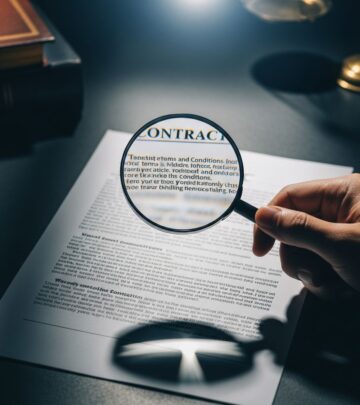
Caveat emptor commonly appears as a legal disclaimer in purchase contracts. When included in contracts, it explicitly notifies the buyer that they are purchasing the item at their own risk and that the seller is not liable for defects discovered after the sale. These disclaimers protect sellers from post-purchase claims while reinforcing the buyer’s obligation to conduct proper investigations before signing an agreement.
However, it is important to note that caveat emptor does not give sellers permission to deceive buyers into purchasing defective products. Even under caveat emptor principles, sellers cannot intentionally hide defects or make fraudulent misrepresentations. The principle assumes good faith dealings between parties, where the seller provides truthful information and the buyer conducts appropriate investigations. When sellers violate this good faith assumption through fraud or intentional misrepresentation, they may face legal consequences regardless of caveat emptor provisions.
Conditions Precedent and Buyer Protection
Conditions precedent represent a buyer’s primary protection when caveat emptor principles apply. If a buyer wants to verify anything before being obliged to fulfill the contract, they should include a condition precedent in the contract. Common conditions precedent include inspection contingencies, financing conditions, and appraisal contingencies. These contractual provisions allow buyers to withdraw from transactions if certain conditions are not met, providing an escape route if investigations reveal significant problems.
Financing conditions are particularly important in real estate transactions. Buyers should ensure that their bank will provide a mortgage before finalizing the contract. Banks must qualify the buyer and their ability to pay while also ensuring the property being purchased is worth more than the mortgage amount. Without a financing condition, buyers may find themselves under obligation to purchase a home without access to mortgage funds.
Warranties and Caveat Emptor
A common way that information asymmetry between seller and buyer has been addressed is through legally binding warranties, such as guarantees of satisfaction or specific product guarantees. When warranties are explicitly provided, they typically supersede caveat emptor principles and create additional seller obligations. Express warranties represent the seller’s promise regarding specific aspects of the product or property, while implied warranties may be imposed by law in certain jurisdictions.
If no explicit warranty exists regarding a product’s quality, it becomes the buyer’s responsibility to gather all information about the purchased product. At the same time, the seller must still not misrepresent the product or provide false information about it. This balance reflects the assumption that under caveat emptor, buyers have primary responsibility for investigation, but sellers retain basic obligations of honesty and good faith.
Frequently Asked Questions
Q: What does caveat emptor mean in simple terms?
A: Caveat emptor means “let the buyer beware.” It is a legal principle stating that buyers are responsible for investigating products or properties before purchase, and sellers are not liable for defects discovered after the sale unless they actively concealed defects or committed fraud.
Q: How does caveat emptor apply to real estate?
A: In real estate, caveat emptor means buyers must thoroughly inspect properties before purchase. If problems are discovered after closing, buyers generally cannot hold sellers responsible unless the sellers withheld information about known defects or made fraudulent misrepresentations.
Q: What are exceptions to the caveat emptor principle?
A: The main exceptions are when sellers actively conceal latent defects, make material misrepresentations that constitute fraud, or when explicit warranties exist. Additionally, modern consumer protection laws and financial services regulations have significantly limited caveat emptor’s application.
Q: How can buyers protect themselves under caveat emptor?
A: Buyers can protect themselves by conducting thorough inspections, asking detailed questions, obtaining professional appraisals or assessments, including conditions precedent in contracts (such as inspection or financing contingencies), and hiring professionals like home inspectors or real estate attorneys.
Q: Does caveat emptor still apply in modern transactions?
A: While caveat emptor remains a foundational principle, its application has been limited by modern consumer protection laws, especially for consumer goods. It is still commonly applied in real estate transactions, though many states have enacted strict seller disclosure requirements that modify traditional caveat emptor principles.
References
- Caveat Emptor (Buyer Beware) – Definition, Examples, Uses — Corporate Finance Institute. https://corporatefinanceinstitute.com/resources/career-map/sell-side/risk-management/caveat-emptor-buyer-beware/
- What Is Meant By Caveat Emptor? — Goss Law. https://www.goss.law/post/what-is-meant-by-caveat-emptor
- What is caveat emptor in real estate? — Rocket Mortgage. https://www.rocketmortgage.com/learn/caveat-emptor
- What Does Caveat Emptor Mean? — TLR Law Office. https://tlrlaw.ca/blog/what-does-caveat-emptor-mean/
- Caveat emptor — Wikipedia. https://en.wikipedia.org/wiki/Caveat_emptor
- Caveat Emptor Definition — Nolo Legal Dictionary. https://dictionary.nolo.com/caveat-emptor-term.html
Similar Articles








Read full bio of medha deb