Caveat Emptor: What It Means and How It Affects You
Understanding 'buyer beware': Learn how caveat emptor impacts your purchase decisions.
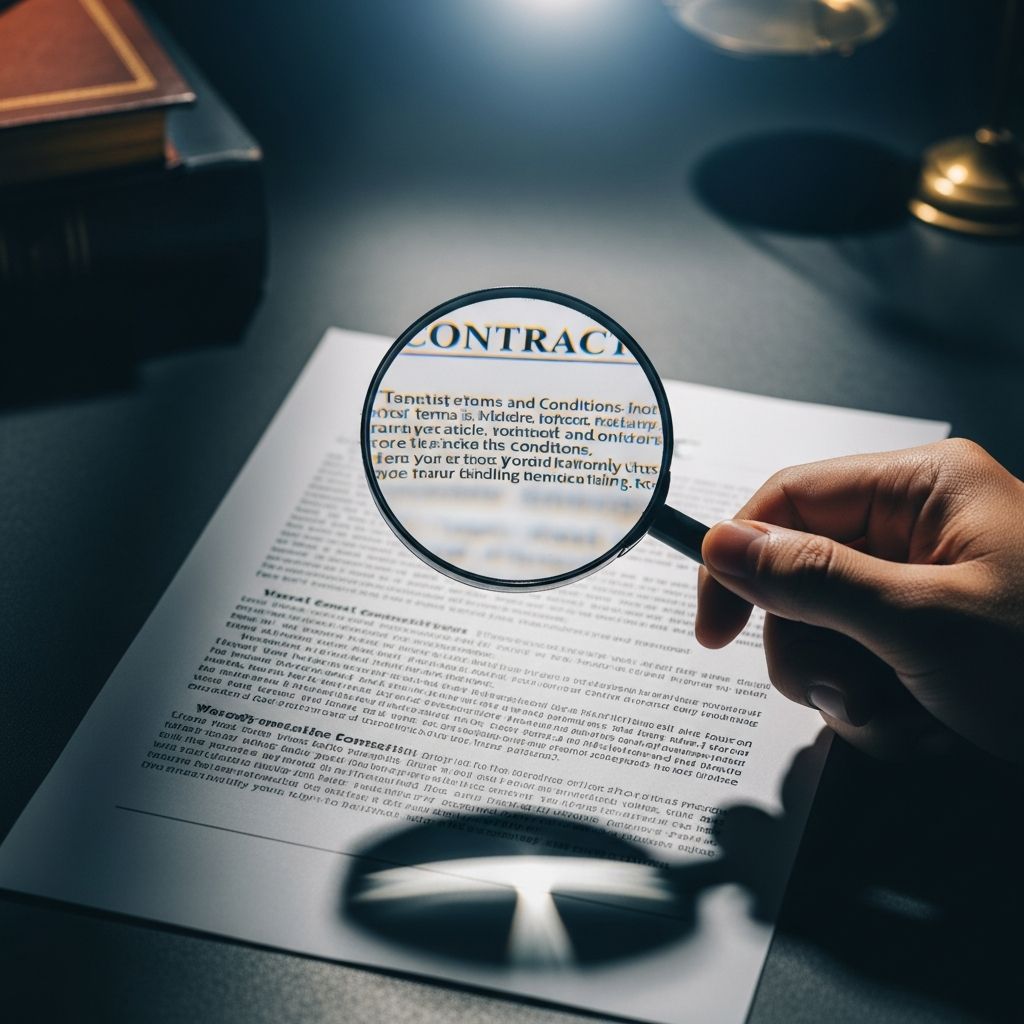
Caveat Emptor: Understanding ‘Buyer Beware’
Caveat emptor is a Latin phrase that translates to “let the buyer beware.” This fundamental principle in commercial and contract law places the primary responsibility on buyers to conduct thorough due diligence before making a purchase. Rather than holding sellers accountable for defects or issues with products or property, caveat emptor shifts that burden to the buyer, requiring them to assess quality, condition, and suitability before committing to a transaction. Understanding this principle is essential for anyone engaging in commercial transactions, particularly in real estate, where significant financial investments are at stake.
The phrase originates from the Latin “Caveat emptor, quia ignorare non debuit quod jus alienum emit,” which means “Let a purchaser beware, for he ought not to be ignorant of the nature of the property which he is buying from another party.” This concept has governed commercial relationships for centuries and continues to influence modern contract law, though its application has evolved with the introduction of consumer protection regulations.
The Core Principle Behind Caveat Emptor
At its foundation, caveat emptor arises from the inherent asymmetry of information between buyers and sellers. Sellers typically possess significantly more knowledge about the products or properties they are selling than buyers do. This information imbalance creates a situation where buyers are at a disadvantage, as they may lack complete knowledge about defects, maintenance history, or other critical factors affecting the purchase.
Under the caveat emptor principle, a buyer is responsible for performing necessary due diligence before purchase to ensure that a product or property is not defective and meets their needs. If a buyer fails to conduct adequate investigation and subsequently discovers defects, they generally cannot hold the seller liable for damages or seek remedies. This places the onus squarely on purchasers to ask critical questions, inspect thoroughly, and verify claims before finalizing any transaction.
How Caveat Emptor Works in Practice
When caveat emptor principles apply to a transaction, several important dynamics come into play. First, buyers must actively seek information about the product or property they wish to purchase. This involves asking the seller direct questions about known issues, requesting inspection reports, hiring professional inspectors, and conducting independent research.
Second, if no explicit warranty is provided regarding the product’s quality or condition, it becomes the buyer’s responsibility to gather all relevant information independently. The seller is not obligated to voluntarily disclose every potential issue, though they also cannot actively misrepresent facts or provide false information about what they are selling.
Third, if a buyer purchases something without conducting adequate due diligence and later discovers problems, they typically have limited recourse under caveat emptor. The seller cannot be held responsible for defects the buyer should have discovered through reasonable investigation.
Caveat Emptor in Real Estate Transactions
Real estate represents one of the most significant purchases most people make, and caveat emptor has traditionally played a substantial role in property transactions. Historically, in the United States, caveat emptor placed the full burden on homebuyers to inspect properties thoroughly before purchase. If problems emerged after closing—such as structural issues, plumbing failures, or other defects—buyers had little recourse against sellers.
However, this approach has evolved considerably. Many U.S. states have implemented strict disclosure laws requiring sellers to reveal all known defects to potential buyers, effectively moving away from strict caveat emptor principles. These laws recognize that real estate transactions involve massive financial commitments and that protecting consumers serves important societal interests. Sellers in jurisdictions with disclosure requirements must provide detailed information about property conditions, even when selling properties “as is.”
Professional home inspections have become standard practice, allowing buyers to identify potential problems before committing to purchases. Warranties and guarantees on major systems and appliances have also become more common, further shifting away from pure caveat emptor principles.
Key Exceptions to Caveat Emptor
While caveat emptor remains a foundational principle, important exceptions limit its application in modern commerce. The most critical exception occurs when sellers deliberately conceal defects or make material misrepresentations that constitute fraud.
If a seller actively hides known problems—such as concealing water damage by placing expensive furniture over stains or misrepresenting the age or condition of major systems—they cannot hide behind caveat emptor protections. When sellers make false statements about products or properties, buyers can seek legal remedies, as the seller has violated the basic obligation not to deceive buyers.
Additionally, implied warranties have become increasingly important in modern commerce. Many jurisdictions recognize implied warranties of merchantability and fitness for particular purpose. These warranties guarantee that products are safe, functional, and suitable for their intended use, even without explicit seller promises.
Consumer protection regulations in most developed countries also limit caveat emptor’s application to consumer transactions. Regulatory bodies often require that sellers provide accurate information and ensure products meet safety standards and basic quality expectations.
Caveat Venditor: The “Seller Beware” Principle
In contrast to caveat emptor, the principle of caveat venditor, meaning “let the seller beware,” places primary responsibility on sellers to ensure they are selling legitimate, safe, and accurately described products. Under caveat venditor principles, sellers must:
– Provide accurate information about products and property
– Disclose known defects and issues
– Ensure products meet agreed-upon specifications and requirements
– Provide products that are safe and function as intended
– Stand behind their representations and address problems that emerge after sale
The tension between caveat emptor and caveat venditor reflects fundamental questions about fairness in commercial transactions. Different jurisdictions balance these principles differently, with some emphasizing buyer responsibility and others focusing more on seller accountability. Modern commerce increasingly leans toward caveat venditor protections, particularly in consumer transactions, reflecting evolving views about fair dealing and consumer protection.
The Purpose and Rationale Behind Caveat Emptor
Caveat emptor serves several important functions in commercial law and practice. First, it incentivizes buyers to conduct thorough due diligence before making purchases. By placing responsibility on buyers, the principle encourages active participation in the transaction process rather than passive reliance on sellers’ representations.
Second, caveat emptor protects sellers against unfair claims and frivolous lawsuits. Without this principle, sellers might face endless liability for buyer dissatisfaction or claims of defects that could have been discovered through reasonable inspection.
Third, the principle reflects a historical view that commercial parties are generally equal participants capable of protecting their own interests. In this view, knowledgeable buyers and sellers negotiate terms and prices based on the condition and characteristics of what is being sold.
When Caveat Emptor Does Not Apply
Several situations limit or eliminate caveat emptor protections. When sellers make fraudulent misrepresentations, caveat emptor cannot shield them from liability. For example, if a seller explicitly states that a product is in perfect condition when they know it has serious defects, they have engaged in fraud and cannot claim protection under caveat emptor.
Consumer protection laws in most jurisdictions establish minimum standards that override caveat emptor. Products must meet basic safety requirements, and sellers cannot claim caveat emptor protections when they sell unsafe or defective products that violate regulatory standards.
Implied warranties also override pure caveat emptor principles. If a seller represents that a product is of “merchantable quality” or fit for a particular purpose, they cannot later claim caveat emptor when the product fails to meet those standards.
In transactions involving substantial information asymmetry—such as complex financial products or specialized equipment—courts increasingly impose disclosure obligations that limit caveat emptor’s application.
Practical Examples of Caveat Emptor
Real Estate Example: John purchases a house from Adam. Before the purchase, John asked the seller about defects in the house. Adam told him that there was a leak in the bathroom upstairs, but it had been fixed. Adam also warned him that despite repairs, a small leak could occur occasionally. John failed to inspect the bathroom properly but still decided to buy the house. Later, John discovered significant water damage in the ceiling from ongoing leaks. Under caveat emptor, John would have limited recourse because he was warned about potential issues and failed to conduct adequate inspection.
Used Vehicle Example: Sarah purchases a used car from a private seller. The seller discloses that the vehicle has high mileage and mentions minor transmission issues that were addressed years ago. Sarah does not obtain a pre-purchase inspection and does not research the vehicle’s history. Months later, the transmission fails catastrophically. Under caveat emptor, Sarah would have difficulty recovering damages because she was aware of the transmission history and chose not to conduct professional inspection.
Fraud Exception Example: David purchases a house where the seller has applied fresh paint and new flooring to conceal termite damage and mold problems. The seller explicitly states that the house is pest-free and structurally sound, knowing this is false. When David discovers the problems after purchase, he can pursue legal action because the seller engaged in fraud by actively concealing defects.
Modern Evolution of Caveat Emptor
While caveat emptor remains formally recognized in law, its practical application has narrowed considerably in modern commerce. Consumer protection statutes, regulatory requirements, and evolving judicial interpretations have created significant limitations on pure caveat emptor principles.
E-commerce and distance selling have created new challenges for caveat emptor, as buyers cannot personally inspect products before purchase. This has led to stronger buyer protections, including return policies and quality guarantees.
Financial products, pharmaceuticals, food items, and other regulated goods rarely operate under strict caveat emptor principles. Instead, producers and sellers face significant obligations to ensure safety, efficacy, and accurate labeling.
Real estate remains one area where caveat emptor still influences transactions significantly, though even here, disclosure requirements and implied warranties have substantially limited its scope.
Frequently Asked Questions About Caveat Emptor
Q: Does caveat emptor apply to all purchases?
A: No. Caveat emptor applies most strongly to real estate and business-to-business transactions. Consumer protection laws, implied warranties, and regulatory requirements significantly limit its application to consumer goods and services.
Q: What responsibilities does a seller have under caveat emptor?
A: While caveat emptor places primary responsibility on buyers, sellers still cannot actively misrepresent products, conceal known defects, or make fraudulent statements. Sellers must also comply with applicable safety regulations and consumer protection laws.
Q: How can buyers protect themselves under caveat emptor?
A: Buyers should conduct thorough inspections, ask detailed questions, hire professional inspectors for major purchases, research products independently, request warranties, and verify seller claims before committing to purchases.
Q: What is the difference between caveat emptor and caveat venditor?
A: Caveat emptor places responsibility on buyers to assess product quality, while caveat venditor places responsibility on sellers to provide accurate information and safe products. Modern commerce increasingly emphasizes caveat venditor principles.
Q: Can I recover damages if I buy something and it breaks?
A: Under strict caveat emptor, recovery is difficult if you failed to inspect or ask about the defect. However, consumer protection laws, implied warranties, and explicit guarantees often provide remedies for defective products.
Q: How do disclosure laws affect caveat emptor?
A: Many states have implemented disclosure laws requiring sellers to reveal known defects, effectively limiting caveat emptor’s scope. These laws protect buyers by mandating that sellers provide critical information about property conditions.
Key Takeaways About Caveat Emptor
Caveat emptor—”let the buyer beware”—remains an important principle in commercial law, though its application has evolved substantially. The principle reflects the historical reality that buyers have less information than sellers and must take responsibility for verifying product quality and condition before purchase.
However, modern consumer protections, regulatory requirements, and evolving legal principles have significantly limited pure caveat emptor. Today, sellers face meaningful obligations to provide accurate information, ensure product safety, and comply with disclosure requirements. Buyers, meanwhile, benefit from warranties, inspection opportunities, and consumer protection statutes that provide remedies when products prove defective.
Understanding caveat emptor helps consumers recognize the importance of due diligence in major purchases while also recognizing the protections that modern law provides. Whether buying real estate, vehicles, or consumer goods, buyers should conduct thorough investigations, ask critical questions, and verify seller claims while remaining aware of the legal protections and consumer safeguards available to them.
References
- Caveat Emptor (Buyer Beware) – Definition, Examples, Uses — Corporate Finance Institute. 2024. https://corporatefinanceinstitute.com/resources/career-map/sell-side/risk-management/caveat-emptor-buyer-beware/
- What Is Meant By Caveat Emptor? Legal Questions Answered — Goss Law. 2024. https://www.goss.law/post/what-is-meant-by-caveat-emptor
- CAVEAT EMPTOR – The Law Dictionary — The Law Dictionary. 2024. https://thelawdictionary.org/caveat-emptor/
- What is caveat emptor in real estate? – Rocket Mortgage — Rocket Mortgage. 2024. https://www.rocketmortgage.com/learn/caveat-emptor
- Caveat emptor — EBSCO Research Starters. 2024. https://www.ebsco.com/research-starters/law/caveat-emptor
- Caveat Emptor Definition — Nolo Legal Dictionary. 2024. https://dictionary.nolo.com/caveat-emptor-term.html
Similar Articles








Read full bio of Sneha Tete