Causes of Economic Recession: Triggers and Impacts
Explore the key factors triggering economic recessions and their cascading effects on businesses and individuals.
Understanding Economic Recession: Causes and Consequences
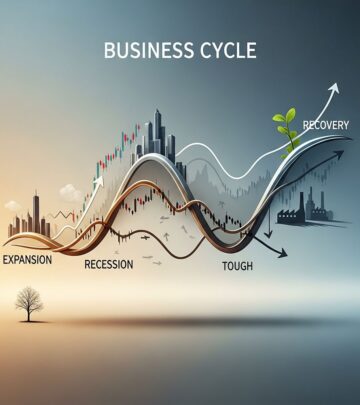
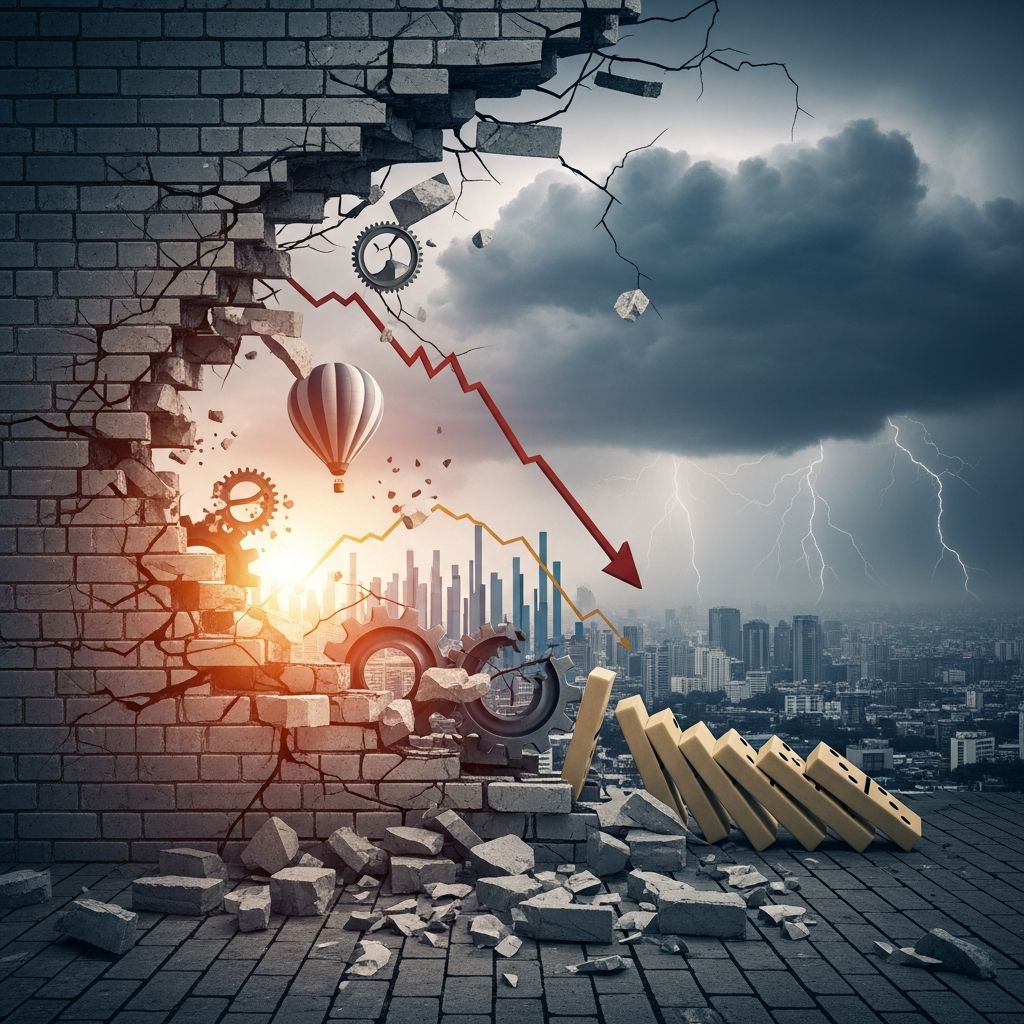
An economic recession represents a significant downturn in overall economic activity, characterized by declining gross domestic product (GDP), reduced consumer spending, increased unemployment, and heightened market uncertainty. Recessions are a natural part of the business cycle, occurring when economies transition from expansion phases to contraction phases. Understanding what triggers these downturns is essential for businesses, investors, and policymakers who seek to mitigate their negative impacts. This comprehensive guide explores the multifaceted causes of economic recessions and examines how they cascade through the economy.
What Defines an Economic Recession?
Formally, a recession is typically defined as two consecutive quarters of negative real GDP growth. However, the effects of recessions extend far beyond this technical definition. During recessions, economies experience a broad-based decline across multiple sectors, affecting employment levels, consumer purchasing power, business profitability, and investment activity. The Great Depression of the early 1900s exemplifies an extreme recession, lasting several years with GDP declines exceeding 10% and unemployment rates reaching 25%. While modern recessions are generally less severe, they still create significant challenges for households and businesses alike.
Primary Causes of Economic Recession
Economic recessions rarely stem from a single cause. Instead, they typically result from a combination of interconnected factors that work together to slow economic activity. Understanding these causes helps explain why recessions occur and how they develop.
Economic Factors and Demand Shocks
One of the most fundamental causes of recession involves disruptions to consumer demand or business spending. When consumers become hesitant to purchase goods and services, or when businesses reduce their capital investments, a ripple effect cascades through the economy. Companies respond to lower demand by scaling back production, which leads to workforce reductions. As unemployment rises, remaining consumers have less income to spend, further weakening demand and creating a vicious cycle of economic contraction.
Supply-chain disruptions also contribute significantly to recessions. When logistics networks break down or international trade conflicts disrupt the flow of goods, businesses face increased costs and production delays. Resource shortages—whether in raw materials, semiconductors, or energy—force companies to reduce output and defer expansion plans, dampening overall economic growth.
Financial Crises and Credit Market Disruptions
Financial system instability represents one of the most severe recession triggers. Credit bubbles, where excessive lending fuels asset price inflation, eventually burst and trigger widespread economic damage. The 2008 financial crisis exemplified this pattern, with excessive risk-taking in mortgage lending creating unsustainable housing market valuations. When these bubbles collapse, financial institutions face severe losses, credit availability tightens dramatically, and businesses struggle to finance operations or expansions. The housing market crash of 2008 demonstrated how financial sector problems can rapidly spread to the real economy, destroying household wealth and undermining consumer confidence.
Monetary Policy and Interest Rate Impacts
Central banks, such as the Federal Reserve, utilize interest rates as a primary tool to manage inflation and economic growth. However, aggressive rate increases intended to control inflation can have unintended recessionary consequences. When interest rates rise sharply, borrowing becomes expensive for consumers and businesses. Higher mortgage rates reduce housing demand, increased business loan costs discourage capital investment, and consumer credit becomes less affordable. While moderate rate increases can help manage inflation, excessive tightening can slow economic growth beyond desirable levels and tip economies into recession.
Psychological Factors and Consumer Confidence
The psychological dimensions of recession are equally important as tangible economic factors. Consumer and business confidence play crucial roles in driving spending and investment decisions. When people fear economic troubles ahead, they reduce spending and increase savings as a precautionary measure. This “precautionary saving” behavior, while rational at the individual level, collectively weakens aggregate demand. Businesses responding to pessimistic forecasts cut capital expenditures and hiring plans, further validating initial concerns. The 2008 financial crisis partially resulted from such psychological factors, as excessive euphoria during the expansion period led to irresponsible speculation and bubble formation in housing markets.
External Shocks and Geopolitical Events
Unexpected global events can rapidly disrupt stable economies and trigger recessions. The COVID-19 pandemic demonstrated how external health crises can devastate economic activity through lockdowns, supply chain breakdowns, and sudden shifts in consumer behavior. Geopolitical conflicts, such as wars or major trade disputes, create uncertainty and disrupt international commerce. Oil price shocks caused by geopolitical tensions particularly impact oil-importing economies, as energy price increases ripple through production costs across sectors. Revolutionary technological changes can also act as shocks, potentially displacing significant portions of the workforce in affected industries.
Key Indicators of Approaching Recession
While official recession declarations often come after economic contractions have begun, several leading indicators provide advance warning signs:
GDP and Production Measures
Negative real GDP growth for two consecutive quarters represents the formal recession indicator. Additionally, declining industrial production reveals that factories and manufacturing facilities are reducing output due to falling demand. Real GDP, adjusted for inflation, measures the total value of goods and services an economy produces. When real GDP contracts, it signals that the economy is producing less, typically accompanied by business layoffs and reduced consumer purchasing power. Real income, measured as personal income adjusted for inflation, also declines during recessions, reducing households’ purchasing power and spending capacity.
Labor Market Deterioration
Rising unemployment serves as one of the most visible and painful recession indicators. As demand weakens, companies reduce their workforces to cut costs. Increased joblessness reduces household incomes and consumer spending, creating further economic weakness. Declining hiring rates and increased average unemployment duration often precede official recession announcements.
Yield Curve Inversion
The inverted yield curve occurs when short-term interest rates exceed long-term rates, an unusual market condition signaling pessimism about future economic growth. This inversion reflects investor expectations that rates will fall as the central bank eventually cuts rates to stimulate a slowing economy. Historically, yield curve inversions have preceded recessions, making this metric valuable for forward-looking analysis.
Consumer Spending and Confidence Declines
Reduced consumer spending and declining consumer confidence indices provide early warning signs. As households become pessimistic about future income and employment prospects, they reduce discretionary purchases. This pullback in spending directly impacts businesses across retail, hospitality, and consumer goods sectors.
How Recessions Propagate Through the Economy
Understanding the transmission mechanism of recessions reveals how initial shocks spread throughout the economy. Typically, recessions begin with reduced business investment spending, the most volatile GDP component. When firms anticipate weaker demand, they postpone capital expenditures on machinery, equipment, and facility expansion. This reduction in business investment immediately reduces employment in capital goods industries and decreases demand for intermediate inputs.
Simultaneously, rising unemployment and falling business profits trigger consumer reductions in spending on new homes and durable goods like automobiles and appliances. As demand for these products falls, firms producing them experience declining sales and rising inventories. To manage excess inventory, companies cut production and lay off workers, amplifying unemployment. This creates negative feedback loops: higher unemployment reduces consumer spending, which reduces business revenues and profits, prompting further layoffs and investment cuts.
Sectoral and Distributional Impacts
While recessions affect entire economies, their impacts vary significantly across sectors and demographic groups. Capital-intensive industries experience sharper declines than service sectors. Manufacturing and construction suffer more severely than essential services. Lower-skilled workers face steeper unemployment increases than higher-skilled workers. Financial sectors experience particular stress as asset prices fall and loan defaults increase. The distributional consequences of recessions can amplify existing economic inequalities.
Recovery Mechanisms and Duration Factors
Eventually, recessions end as households and businesses reduce debt burdens and rebuild ability to spend. Producers lower prices to clear excess inventory, attracting increased demand. Lower interest rates and reduced resource prices make new investments increasingly attractive. As these conditions develop, firms begin investing in capital goods again, employment increases, and consumer spending recovers. Recovery speed depends on several factors: government policy responses through fiscal stimulus and monetary easing can accelerate recovery, as demonstrated by COVID-19 relief measures that helped stabilize consumer spending. Economies with strong financial systems, diversified economic bases, and flexible labor markets typically recover more quickly. Conversely, lingering global weakness or persistent supply chain disruptions can delay recovery.
Financial System Effects During Recession
Recessions typically cause standard monetary and fiscal effects that magnify initial downturns. Credit availability tightens as financial institutions become cautious, short-term interest rates fall as central banks attempt stimulus, and inflation declines due to reduced aggregate demand. Lower prices initially seem beneficial to consumers, but they reduce corporate profits, triggering additional job cuts and creating vicious cycles. However, companies with foresight can capitalize on recession opportunities created by lower capital costs and access to higher-quality job candidates in expanded unemployment pools.
Government Intervention During Recessions
National governments typically intervene during recessions through multiple mechanisms. Central banks reduce interest rates to stimulate borrowing and spending. Governments implement fiscal stimulus through tax cuts, spending increases, or direct transfers to households. Policymakers often bail out systemically important financial institutions to prevent cascading failures throughout the financial system. These interventions aim to stabilize demand, prevent financial sector collapse, and accelerate recovery toward full employment.
Long-Term Consequences of Extended Recessions
While typical recessions last several quarters to two years, extended recessions pose greater risks. Longer recessions deepen scarring effects in labor markets, with longer-term unemployment leading to skill depreciation and permanent income losses. Extended periods of weak demand reduce business investment in research and development, potentially slowing long-term productivity growth. Accumulated debt burdens during recessions can constrain spending for years afterward. Most concerning, sufficiently deep and prolonged recessions can evolve into depressions, characterized by sustained multi-year contractions with severe social consequences.
Frequently Asked Questions About Economic Recessions
Q: How long do recessions typically last?
A: Most recessions last between 6 months and 2 years. The average post-World War II recession lasted approximately 11 months. However, duration depends on recession severity, policy responses, and global conditions. The Great Depression lasted years, while some modern recessions resolved relatively quickly with aggressive policy intervention.
Q: Can recessions be prevented?
A: While policymakers cannot eliminate recessions entirely—they remain part of natural business cycles—prudent monetary and fiscal policies can mitigate severity and duration. However, some recession triggers, particularly external shocks, cannot be fully prevented. Maintaining financial system stability and avoiding excessive debt accumulation reduces recession risk.
Q: How do recessions differ from depressions?
A: Recessions involve temporary economic contractions lasting months to a couple years, while depressions represent deeper, prolonged contractions lasting multiple years with severe unemployment and GDP declines exceeding 10%. The Great Depression involved such severe contraction that it remains historically unique among modern recessions.
Q: What sectors are most affected by recessions?
A: Capital goods, construction, retail, hospitality, and financial services typically suffer most during recessions. Essential services like healthcare and utilities prove more recession-resistant. Discretionary spending sectors experience sharper revenue declines than necessities.
Q: How does inflation behave during recessions?
A: During recessions, inflation typically declines as reduced aggregate demand lowers price pressures. However, some recessions involve stagflation—simultaneously rising inflation and unemployment—particularly during oil price shocks that increase costs while reducing demand.
Q: What investment strategies help during recessions?
A: During recessions, investors often shift toward defensive assets like government bonds and dividend-paying stocks. Some sophisticated investors identify undervalued companies positioned to benefit from recovery. Maintaining diversification and avoiding emotional decision-making based on short-term market movements prove crucial.
References
- Economy Recession: Causes, Impacts, and Recovery Timelines — National Debt Relief. 2024. https://www.nationaldebtrelief.com/blog/financial-wellness/financial-education/economy-recession-understanding-causes-impacts-and-recovery-timelines/
- Recession: When Bad Times Prevail — International Monetary Fund. 2024. https://www.imf.org/en/publications/fandd/issues/series/back-to-basics/recession
- All About the Business Cycle: Where Do Recessions Come From? — Federal Reserve Bank of St. Louis. 2023. https://www.stlouisfed.org/publications/page-one-economics/2023/03/01/all-about-the-business-cycle-where-do-recessions-come-from
- Recession – Definition, Indicators, Causes and Effects — Corporate Finance Institute. 2024. https://corporatefinanceinstitute.com/resources/economics/recession/
- The Causes of Economic Recession — Banco Santander. 2024. https://www.santander.com/en/stories/economic-recession
- Five Factors We Use to Track Recession Risk and What They Say Now — JP Morgan Private Bank. 2024. https://privatebank.jpmorgan.com/nam/en/insights/markets-and-investing/five-factors-we-use-to-track-recession-risk-and-what-they-say-now
Similar Articles








Read full bio of medha deb